
Blog
Weather Resistance In Modern Exterior Coatings

Weather Resistance In Modern Exterior Coatings: Engineering the Ultimate Protective Shield
The exterior of a building is essentially a vertical battlefield. Every hour of every day, it is subjected to a relentless bombardment of environmental stressors, including ultraviolet (UV) radiation, fluctuating temperatures, wind-driven rain, and biological organisms. In the early 20th century, exterior “paint” was a relatively simple mixture of linseed oil and lead pigments. However, modern material science has transformed these coatings into highly engineered polymer systems designed to provide a decade or more of protection. Understanding the mechanics of weather resistance in modern exterior coatings is vital for any property owner looking to preserve the structural and aesthetic integrity of their investment.
The Physics of UV Degradation and Photodegradation
The single most destructive force acting upon exterior paint is solar radiation. Ultraviolet rays, specifically UV-A and UV-B, possess enough energy to break the chemical bonds within the paint’s binder—a process known as photodegradation. When these bonds break, the paint film begins to “chalk.” Chalking is the appearance of a fine white powder on the surface, which is actually the released pigment particles that are no longer held in place by the degraded resin.
Modern high-performance coatings utilize 100% acrylic resins. Unlike vinyl or lower-grade polymers, 100% acrylic is “UV-transparent,” meaning the rays pass through the clear resin without breaking it down as quickly. Furthermore, advanced coatings incorporate “HALS” (Hindered Amine Light Stabilizers) and UV absorbers. These additives act like a high-SPF sunscreen for the house, intercepting harmful radiation and converting it into harmless heat before it can damage the polymer chain.
Moisture Management: The “Breathability” Paradox
Water is the primary cause of paint failure in the form of peeling and blistering. However, the solution is not simply to create an airtight plastic wrap around the building. Buildings are dynamic; moisture vapor is constantly generated inside the home from cooking, bathing, and respiration. This vapor migrates outward through the walls. If the exterior paint is completely impermeable, this vapor becomes trapped behind the paint film, building pressure until it forces the paint to lose adhesion and blister.
The hallmark of a superior modern exterior coating is high “permeability” or “breathability.” These coatings are engineered with microscopic pores that are small enough to keep liquid water droplets (rain) out but large enough to allow water vapor molecules to escape. This “one-way valve” effect is essential for preventing wood rot and maintaining a healthy indoor environment. This technology is often referred to as “hydrophobic” or “self-cleaning” technology, where the coating actually sheds water and dirt simultaneously.
Thermal Expansion and the Glass Transition Temperature
External surfaces experience extreme temperature swings. A dark-colored wall in direct summer sunlight can reach temperatures exceeding 160°F, only to drop to 60°F at night. This causes the substrate—whether it be wood, metal, or masonry—to expand and contract. If a paint film is too rigid, it will crack under this stress. This is the primary reason why old-fashioned oil paints, which become brittle as they age, often fail by “alligatoring.”
Modern acrylic coatings are designed with a specific “Glass Transition Temperature” (Tg). Chemists engineer the polymer to remain flexible even in sub-zero temperatures, allowing the paint film to stretch like a rubber band as the house moves. This “elongation” property is what prevents the microscopic cracks that allow water to seep into the substrate and begin the cycle of decay.
Elastomeric Coatings: The Heavy-Duty Alternative
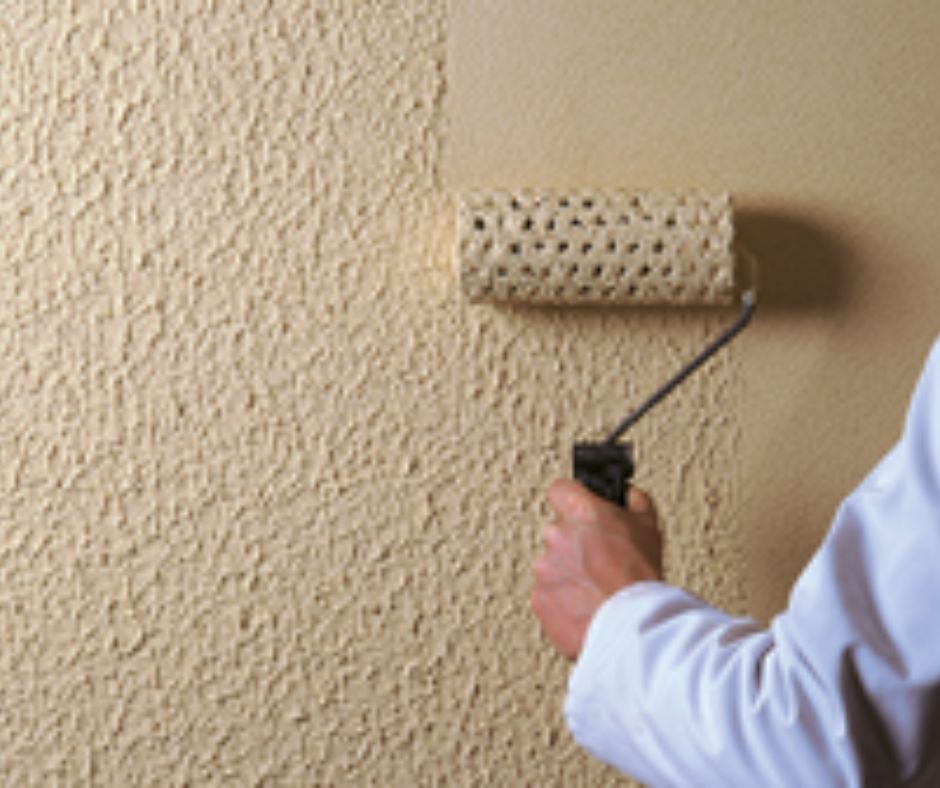
For masonry and stucco surfaces, standard exterior paint is often insufficient. In these cases, professionals turn to elastomeric coatings. These are “high-build” products, meaning they are applied significantly thicker than standard paint—often ten times thicker. An elastomeric coating is essentially a liquid-applied rubber membrane. Its defining characteristic is its extreme elasticity; it can bridge existing hairline cracks in stucco and remain intact even if the crack widens slightly over time. Because stucco is highly porous, the thick, waterproof barrier of an elastomeric system is the most effective way to prevent wind-driven rain from saturating the wall system.
The Role of Pigment Science in Color Retention
Color fading is not just an aesthetic issue; it is a sign that the coating is losing its integrity. Pigments are divided into two categories: organic and inorganic. Organic pigments (used for bright reds, yellows, and blues) are susceptible to rapid fading when exposed to UV light. Inorganic pigments, such as iron oxides (earth tones) and titanium dioxide (white), are much more stable. High-end exterior paints use “colorant” systems that utilize more stable, inorganic oxides to ensure that the “Naval Blue” or “Terra Cotta” you choose today remains the same shade seven years from now. Additionally, “Cool Roof” and “Heat Reflective” wall coatings use specialized pigments that reflect infrared radiation, reducing the surface temperature of the building and lowering energy costs.
Biological Resistance: Combating Mold and Algae
In humid or shaded environments, the exterior of a home can become a petri dish for mold, mildew, and algae. These organisms do more than just look unsightly; they can actually feed on the organic components of some paints. Modern exterior coatings are formulated with “biocides” and “mildewcides.” These are slow-release chemicals that inhibit the growth of fungi on the surface of the paint. In coastal or tropical regions, a “high-alkali” or “high-zinc” coating may be used, as these naturally create an environment where biological growth cannot survive.
Environmental Variables and Regional Selection
There is no “one-size-fits-all” exterior coating. The local climate dictates the necessary chemistry:
- Coastal Environments: Require “salt-air resistant” coatings that can withstand the corrosive nature of chloride ions and high humidity.
- High-Altitude/Desert: Require the highest levels of UV stabilizers due to the intense solar radiation.
- Colder Climates: Require coatings with a lower “minimum application temperature,” allowing the paint to cure properly even when the thermometer dips toward 35°F.
The Importance of Dry Film Thickness (DFT)
Even the most advanced coating will fail if it is applied too thinly. Manufacturers specify a “Wet Film Thickness” (WFT) that must be achieved during application to ensure the proper “Dry Film Thickness” (DFT) once the solvents evaporate. Professionals use “mil gauges” to measure this during the application process. A “mil” is one-thousandth of an inch. A typical high-quality exterior job requires a DFT of 4 to 6 mils. If the paint is over-thinned or spread too far, it will not have enough resin or pigment to provide the engineered weather resistance, leading to premature failure.
Surface Preparation: The Unseen Foundation
Weather resistance starts before the first gallon of paint is opened. Adhesion is the “anchor” of weather resistance. If the surface is dusty, oily, or “chalky,” the new coating will be bonding to the contaminants rather than the house. This is why professional exterior painting involves pressure washing, hand-scraping, and the application of specialized primers. A “bonding primer” is designed to penetrate old, chalky surfaces and “re-glue” them to the substrate, providing a stable foundation for the weather-resistant topcoats.
Sustainability and Low-VOC Innovations
Historically, the most durable exterior paints were the most toxic, containing high levels of Volatile Organic Compounds (VOCs). Modern chemistry has largely debunked this trade-off. Today’s low-VOC water-based acrylics often outperform their high-VOC oil-based predecessors in terms of color retention, flexibility, and overall longevity. This shift not only protects the environment but also the health of the applicators and the residents of the home.
The Economic Value of Longevity
When evaluating exterior coatings, the true cost is not the price per gallon, but the “cost per year of service.” A cheap, low-grade paint may last 3 years, while a premium, highly engineered coating may last 12 years. Given that labor represents approximately 80% of the cost of an exterior painting project, using a superior coating that triples the time between repaints is the most financially sound decision a property owner can make. Furthermore, by preventing moisture from reaching the wood or masonry, these coatings prevent the need for expensive structural repairs.
Conclusion
Modern exterior coatings are masterpieces of chemical engineering. They are designed to act as a “living” skin for a building—one that breathes to release interior vapor, stretches to accommodate thermal movement, and reflects radiation to preserve its own structural integrity. By selecting the right polymer chemistry, utilizing advanced pigment technology, and adhering to strict professional application standards, property owners can build a formidable defense against the elements. Weather resistance is no longer just about “looking good”; it is about the scientific preservation of our most valuable assets against the relentless march of nature.