
Blog
The Science of Residential Plumbing

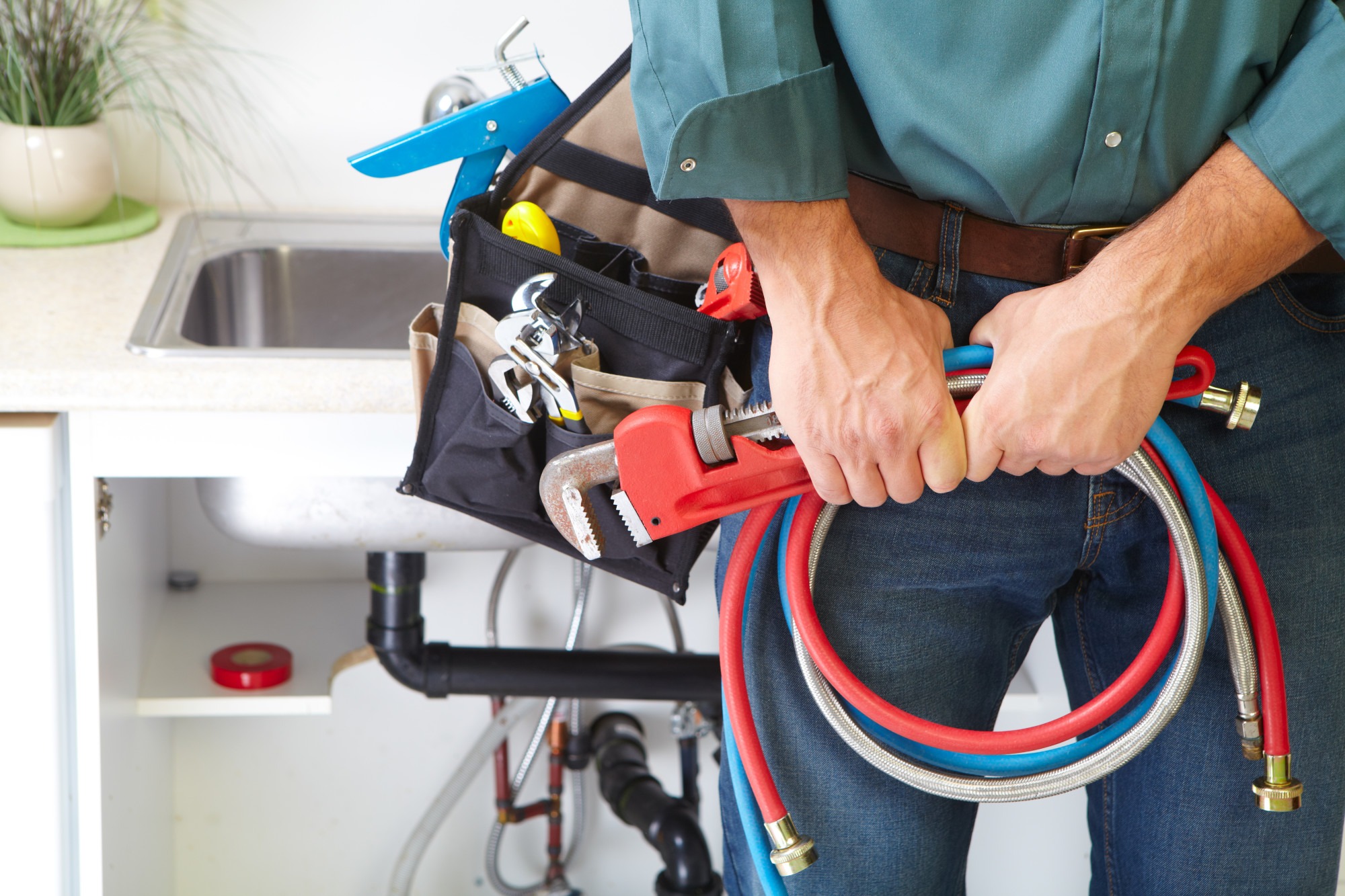
The Science of Residential Plumbing: A Professional Approach to Prevention and Diagnostics
Residential plumbing is frequently described as the circulatory system of the home. Just as the human body relies on a network of arteries and veins to transport life-sustaining fluids and remove waste, a modern dwelling depends on a complex grid of pipes, valves, and fixtures to maintain hygiene, comfort, and functionality. However, because the vast majority of this infrastructure is concealed behind walls and beneath floorboards, it is often neglected until a catastrophic failure occurs. Understanding the mechanical principles of plumbing—fluid dynamics, pressure regulation, and atmospheric venting—is essential for any homeowner seeking to transition from reactive repairs to proactive maintenance. This guide explores the technical foundations of home plumbing and provides a professional framework for diagnostics and long-term system integrity.
The Dual Nature of Plumbing: Supply and Drainage
A residential plumbing system is comprised of two distinct, independent subsystems that must never interact: the pressurized supply system and the gravity-fed drainage system. The supply system brings treated, potable water into the home under significant pressure (typically between 40 and 60 psi). This pressure is what allows water to travel vertically to upstairs bathrooms. The drainage system, conversely, relies entirely on gravity and precise sloping to carry wastewater out of the home. The “bridge” between these two systems is the fixture—the sink, toilet, or tub—where water is used and then discarded. Maintaining the absolute separation of these two systems via backflow prevention is the primary goal of modern plumbing codes.
The Physics of Water Pressure and Regulation
Water pressure is a double-edged sword. While sufficient pressure is required for a satisfying shower or efficient appliance operation, excessive pressure is a leading cause of plumbing failure. If the municipal water main delivers water at 80 psi or higher, it can stress pipe joints, erode valve seats, and cause “water hammer”—a hydraulic shockwave that occurs when a valve is closed suddenly. Over time, high pressure leads to pinhole leaks in copper pipes and split seams in plastic piping.
The primary defense against this is the Pressure Reducing Valve (PRV). This bell-shaped device, usually located near the main water shut-off, regulates the incoming flow to a safe, consistent level. Homeowners should periodically check their pressure using a simple screw-on gauge; if the pressure exceeds 70 psi, the PRV may have failed. Addressing this single component can add a decade to the lifespan of every faucet, dishwasher, and water heater in the home.
Material Science: PEX, Copper, and PVC
The materials used in plumbing have evolved significantly, each offering unique technical advantages and vulnerabilities:
- Copper: The traditional gold standard. It is naturally antimicrobial, heat-resistant, and possesses a long lifespan. However, it is expensive and susceptible to “pitted corrosion” if the water chemistry is too acidic (low pH).
- PEX (Cross-linked Polyethylene): The modern favorite. PEX is flexible, meaning it requires fewer joints (the primary point of leaks), and it can expand slightly if water freezes inside, making it highly resistant to burst pipes. Its primary weakness is UV sensitivity; it cannot be exposed to direct sunlight.
- PVC and ABS: Used almost exclusively for drainage, waste, and vent (DWV) lines. These materials are lightweight and impervious to the corrosive chemicals found in household waste.
- Galvanized Steel: Common in homes built before 1960. These pipes are prone to internal rusting, which restricts water flow and eventually leads to total blockage or structural failure. Replacing galvanized lines is often a priority in comprehensive home restoration.
The Critical Role of the Venting System
Perhaps the most misunderstood aspect of plumbing is the “Vent” in Drain-Waste-Vent (DWV). Many homeowners assume pipes only carry water, but they must also carry air. When water rushes down a drain, it creates a vacuum behind it. Without a supply of air to “break” that vacuum, the rushing water will siphoned the water out of the P-traps. These traps—the U-shaped bends under sinks—hold a small amount of water that acts as a seal, preventing sewer gases (which can be toxic and flammable) from entering the home.
The vent pipes exit through the roof, allowing atmospheric pressure into the drainage system. If you hear a “gurgling” sound in the sink when the toilet flushes, it is a diagnostic indicator that the vent stack is likely clogged with debris or a bird’s nest. A blocked vent slows drainage and can eventually lead to a complete backup, regardless of whether the drain line itself is clear.
Thermal Expansion and Water Heater Longevity
Water heaters are the most expensive single component of a plumbing system. When water is heated, it expands—a process known as thermal expansion. In older “open” plumbing systems, this expanded water could push back into the city main. However, modern systems are “closed” by check valves or PRVs. This means the pressure from heated water has nowhere to go, placing extreme stress on the water heater tank.
The technical solution is the **Thermal Expansion Tank**, a small tank installed above the water heater that contains a rubber bladder and compressed air. This bladder absorbs the increased volume, protecting the water heater from premature tank failure. Furthermore, the “Anode Rod”—a sacrificial magnesium or aluminum rod inside the heater—is designed to corrode so the steel tank doesn’t. Replacing this rod every 3 to 5 years can double the life of the heater, yet it remains one of the most overlooked maintenance tasks in homeownership.
Professional Diagnostics: Identifying Silent Leaks
Not all leaks result in a flood; some are insidious “silent” leaks that can waste thousands of gallons of water and rot structural timber over months. A common diagnostic test for homeowners is the **Water Meter Test**. By ensuring all faucets and appliances are turned off and then observing the water meter, one can determine if water is moving anywhere in the system. If the small “low flow” indicator on the meter is spinning, a leak is present.
The most frequent culprit is the toilet flapper. A worn flapper allows water to leak from the tank into the bowl. This is often “silent” but can be diagnosed by placing a few drops of food coloring into the tank. If the color appears in the bowl within 15 minutes without flushing, the seal is compromised. On a larger scale, infrared thermal imaging cameras are now used by professionals to detect “cool spots” behind walls, which indicate moisture accumulation from pinhole pipe leaks.
Addressing Drainage Failures: Beyond the Plunger
Clogs are the most common plumbing grievance, but the method of removal matters significantly for system health. Chemical drain cleaners are often highly caustic and generate heat; in older metal pipes or thin-walled plastic traps, these chemicals can actually melt or corrode the piping. Professional diagnostics categorize clogs into “soft” (organic matter and hair) and “hard” (mineral scale or foreign objects).
For soft clogs, mechanical removal via a “snake” or auger is the safest and most effective method. For persistent issues in the main sewer line, “Hydro-jetting”—using high-pressure water streams—is the preferred professional method for scouring the interior of the pipe and removing years of grease buildup and encroaching tree roots. If backups are frequent, a **Video Pipe Inspection** is the gold standard for diagnostics. A waterproof camera is threaded through the line, allowing the homeowner to see the exact location and nature of the blockage or pipe collapse.
Preventative Maintenance Checklist
To avoid emergency service calls, homeowners should adhere to a technical maintenance schedule:
- Annual Water Heater Flush: Removing sediment from the bottom of the tank improves heating efficiency and prevents the “bumping” sound caused by trapped steam bubbles.
- Exercise Shut-off Valves: Turn the main and individual fixture valves off and on once a year. This prevents “seizing” due to mineral deposits, ensuring they will work in an actual emergency.
- Inspect Flex Lines: Replace the braided stainless steel lines leading to toilets and washing machines every 5 to 7 years. These are common failure points that can cause massive flooding.
- Clean Aerators: Unscrew the mesh screens on faucets to remove mineral grit, which restores water pressure and prevents “spraying” at odd angles.
The Impact of Water Chemistry
The chemistry of the water flowing through the pipes is just as important as the pipes themselves. “Hard water”—water high in calcium and magnesium—creates “scale” buildup. This scale acts like cholesterol in an artery, narrowing the diameter of the pipe and reducing flow. It also coats heating elements in dishwashers and water heaters, forcing them to work harder and fail sooner. Installing a water softener or a whole-house filtration system is not just an aesthetic choice for “softer hair”; it is a mechanical upgrade that protects the entire plumbing infrastructure from mineral-induced degradation.
The Health and Safety Mandate
Plumbing is fundamentally a matter of public health. Cross-contamination between the sewer and the supply can lead to serious illness. This is why “air gaps” are required for dishwashers and why vacuum breakers are installed on outdoor hose bibs. These safety devices ensure that if there is a sudden drop in city water pressure, dirty water is not “sucked” back into the home’s drinking water lines. Understanding these small components is vital for maintaining the safety of the household.
Conclusion
A professional approach to residential plumbing requires moving past the “out of sight, out of mind” mentality. By understanding the physics of pressure, the necessity of atmospheric venting, and the importance of material integrity, homeowners can take control of their system’s longevity. Preventative diagnostics—such as monitoring the water meter, checking the PRV, and maintaining the water heater anode rod—save thousands of dollars in emergency repairs and structural restoration. Ultimately, a sound plumbing system is the foundation of a healthy, functional home. It is an investment in engineering that pays dividends in daily comfort and long-term property value. Respect the science of the system, and it will serve you reliably for decades.