Starting a dive centre or water sports business in the Maldives
What it takes to open a dive centre, snorkelling or excursion business in the Maldives: tourism licences, boats, safety equipment, staff, insurance, working with guesthouses and resorts, and the seasons.
Quick answer
- Dive centres and water sports operations are tourism businesses and need registration and an operating licence from the Ministry of Tourism.
- Boats used commercially must be registered and meet the transport authority's safety rules, with qualified crew.
- Safety is central: emergency oxygen, first aid, trained staff, dive plans and a link to the nearest recompression chamber.
- Business depends heavily on partnerships with guesthouses and resorts, and on the tourist seasons.
The Maldives is one of the world's great diving destinations, and the growth of guesthouses on local islands has created demand for dive centres, snorkelling trips, sandbank picnics, fishing trips and water sports. Starting such a business can be rewarding, but it is regulated, capital-intensive and seasonal. This guide outlines what's involved, so you can plan properly before you invest.
What kind of business?
Water-based tourism businesses range widely:
- Dive centres offering fun dives, courses and equipment rental.
- Excursion operators running snorkelling trips, dolphin cruises, sandbank picnics and fishing trips.
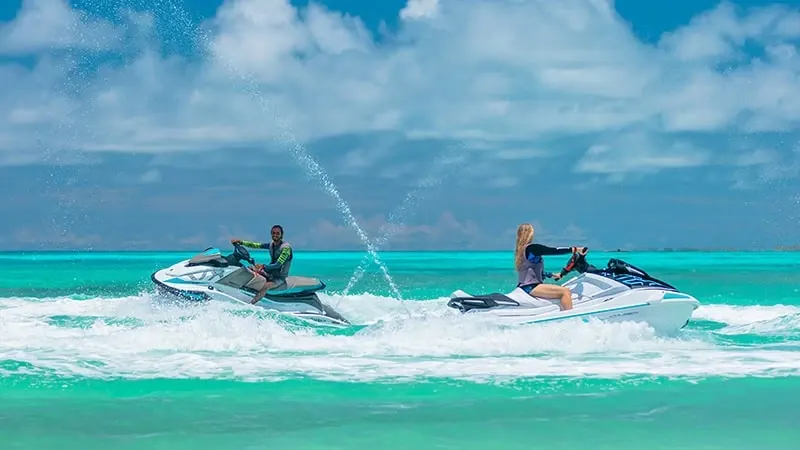
- Water sports centres with kayaks, paddleboards, jet skis, parasailing or kitesurfing.
- Surf operators offering boat trips to breaks. See surfing in the Maldives.
Each has different licences, equipment and risks. Start with a clear idea of your core service, island and customers.
Licences and registration
Business registration
First register a business or company on the Ministry of Economic Development and Trade's Business Portal and get a MIRA taxpayer number. See how to register a company and registering with MIRA.
Tourism licence
Dive centres and many water sports operations are tourism businesses regulated by the Ministry of Tourism. You will need to register the operation and obtain an operating licence, meet the Ministry's regulations for that activity, and renew the licence as required. The Ministry may inspect premises, equipment and records.
Foreign ownership
Foreign investment in tourism is welcome in many forms, but some smaller tourism activities are reserved for Maldivians or require local participation. If you are not Maldivian, check the current foreign investment rules early. See foreign investment approval.
Island council and landlord
On a local island, you will also deal with the island council for land, premises and local permissions, and with your landlord. Good relations with the community matter a lot on small islands.
Boats
A boat is usually the biggest investment after premises. Commercial vessels must be registered and licensed with the Transport Authority, meet safety and equipment rules, carry the right number of life jackets and safety gear, and be crewed by qualified people. Insurance for the vessel and passengers is strongly recommended.
Options include buying a dhoni or speedboat, chartering a boat with crew, or partnering with an existing boat owner. Many new operators start by chartering to reduce upfront cost.
Equipment and safety
Safety is the core of a dive or water sports business, both legally and for your reputation. Plan for:
- Well-maintained equipment: regulators, BCDs, cylinders and a compressor that produces clean air. Keep service records.
- Emergency oxygen and first aid kits on every boat, and staff trained to use them.
- Communication: radios and phones on boats, and a clear emergency plan.
- Dive planning: briefings, buddy checks, depth and time limits, and checks of certification levels and medical forms.
- Recompression access: know where the nearest hyperbaric chamber is and how to get a diver there. Chambers are limited and located at certain hospitals and resorts.
- Weather and currents: Maldivian channels can have strong currents. Use experienced local guides and cancel trips when conditions are unsafe.
Many dive centres affiliate with a training agency such as PADI or SSI, which brings standards, insurance options and marketing benefits.
Staff
- Instructors and divemasters must hold recognised qualifications. Foreign staff need work visas arranged by you as employer through the Xpat system. See the work visa process.
- Boat crew need appropriate licences and experience.
- Local staff: hiring and training people from the island builds goodwill and helps with quotas for foreign workers.
Follow employment rules on contracts, hours, pensions and leave. See employing staff and employee rights.
Customers and partners
Most dive centres and excursion operators on local islands depend on guesthouses. Common arrangements include commission on bookings, exclusive partnerships, or the dive centre being part of a guesthouse business. Resorts usually run their own centres or contract operators, so resort work is competitive and contract-based.
Online reviews are essential. Encourage happy guests to review you, answer questions quickly, and keep your listings and social media current.
Seasons and cash flow
Demand peaks from roughly December to April, during the northeast monsoon, with calmer seas and more visitors. The southwest monsoon, roughly May to November, is quieter, though manta and whale shark encounters can be excellent in some areas. See the best time to visit and mantas and whale sharks.
Plan cash flow for the low season: staff, boat costs, rent and maintenance continue when bookings fall. Use quiet months for servicing equipment and training staff.
Costs to budget for
- Registration, licences and renewals.
- Premises rent and fit-out.
- Boat purchase or charter, fuel, maintenance and mooring.
- Diving equipment, compressor, cylinders and spares.
- Staff salaries, accommodation, visas and pension contributions.
- Insurance: liability, vessel and equipment.
- Marketing and booking platform commissions.
- Taxes, including GST and TGST where applicable. See GST and TGST.
Respecting the reefs
Your business depends on healthy reefs and marine life. Brief guests on not touching coral or animals, use mooring buoys where available rather than anchoring on reefs, and follow rules for protected areas and species. Many protected marine areas have specific rules for operators; check them before running trips there.
Choosing your island
Location shapes everything. When comparing islands, look at:
- Guesthouse numbers and growth. Islands such as those in Kaafu and Ari atolls with many guesthouses have more potential customers, but also more competition.
- Dive and snorkel sites nearby. Short boat rides to good reefs, channels and seasonal manta or shark sites keep fuel costs down and guests happy.
- Transport links. Guests and supplies arrive by ferry, speedboat or domestic flight. Easy access from Malé helps both.
- Existing operators. A crowded island may still have room for a specialist, such as freediving, courses in other languages or private trips.
- Community attitude. Talk to the island council and residents. Support from the community makes premises, staff and permits easier.
Pricing your trips
Work out your real cost per trip: fuel, crew, boat wear, equipment, staff time, insurance and commission to the guesthouse or booking platform. Then compare with what other operators on nearby islands charge. Remember that prices for tourists usually need to include the applicable taxes; make sure you know whether you must charge TGST and show prices clearly. Packages, such as multi-dive deals or a snorkelling trip combined with a sandbank picnic, help fill quiet days.
Insurance and paperwork
Keep signed liability releases and medical questionnaires for divers, copies of certification cards, dive logs for each trip, equipment service records and incident reports. Good records protect you if anything goes wrong and are often required by insurers and training agencies. Ask your insurer exactly what is covered, including injury to guests, damage to boats and loss of equipment.
Checklist
- Define your service, island and target customers.
- Check foreign ownership rules if relevant.
- Register the business and get a TIN.
- Apply for the tourism operating licence.
- Arrange a registered, licensed boat and qualified crew.
- Equip properly, with emergency oxygen, first aid and communication.
- Hire qualified staff and arrange work visas.
- Get insurance.
- Build partnerships with guesthouses and resorts.
- Plan cash flow for the low season.
Tourism and marine regulations are updated regularly. Confirm the current requirements with the Ministry of Tourism and the Transport Authority before investing.
Common questions
Do I need a licence to run a dive centre in the Maldives?
Yes. Dive centres are regulated tourism businesses and need registration and a licence from the Ministry of Tourism, plus compliance with its diving regulations. Boats and staff also have their own requirements.
Can foreigners own a dive centre in the Maldives?
Foreign investment in tourism is possible, but some smaller tourism activities are reserved for Maldivians or require local participation. Check the current foreign investment rules and the activity list before you plan.
Do dive instructors in the Maldives need a work visa?
Yes. Foreign instructors and divemasters working in the Maldives need a work visa arranged by the employer through the Xpat system, and their qualifications will be checked.
What is the busiest season for diving in the Maldives?
The northeast monsoon, roughly December to April, brings the most visitors and calm, clear conditions. The southwest monsoon is quieter but offers manta and whale shark encounters in some areas.
How do small dive centres find customers?
Mostly through partnerships with guesthouses and resorts, online reviews, booking platforms and social media. Many local-island dive centres are linked with one or several guesthouses that send them guests.
Official sources
- Ministry of Tourism and Environment
- Ministry of Economic Development and Trade: Business Portal
- Transport Authority Maldives
- PADI: Dive centre business
Last reviewed 23 November 2026. This guide is general information, not legal or financial advice. Rules change, so confirm with the official source before you apply. Report an error
Tourism businessDivingLicences
Related guides


From our network
Hitraisers
Domains, hosting, business email, websites and social media marketing in the Maldives.
See what Hitraisers does ↗hitraisers.com is run by the same team as HandyMaldives.