Opening a business bank account in the Maldives: banks, documents and dollar accounts
How to open a company bank account in the Maldives: which banks to approach, the documents they ask for, rufiyaa and US dollar accounts, online banking, card payments and the questions to ask before you choose.
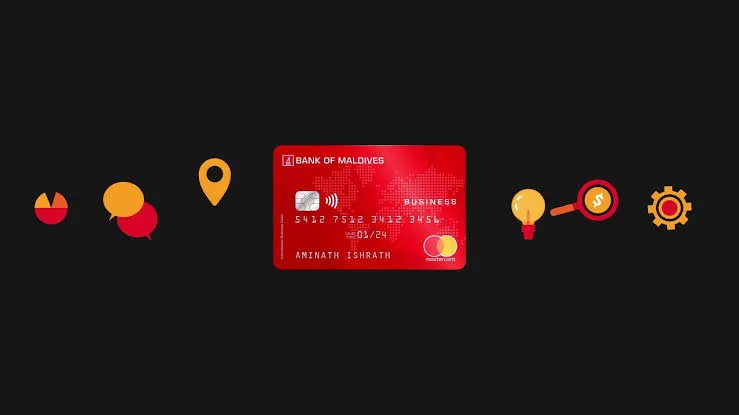
Quick answer
- Most businesses bank with Bank of Maldives (BML), Maldives Islamic Bank or one of the foreign banks with branches in Malé.
- Banks need your registration documents from the Business Portal, ID for every director and shareholder, and proof of where the money comes from.
- Many businesses hold both a rufiyaa (MVR) account and a US dollar account; tourism businesses usually need both.
- Expect enhanced checks if owners are foreign, and allow several weeks rather than days.
Once your company is registered, the next practical step is a bank account. You need one to pay staff, pay MIRA, receive money from customers and keep business money separate from personal money. In the Maldives the process is straightforward when the paperwork is in order, but it is more thorough than many newcomers expect, especially for foreign-owned businesses. This guide explains which banks to approach, what they ask for, and how to avoid the usual delays.
Which banks operate in the Maldives?
The banking market is small. The banks licensed by the Maldives Monetary Authority (MMA) include:
- Bank of Maldives (BML): the largest bank, majority owned by the state, with branches and agents across the atolls. Most Maldivian businesses and customers bank with BML, which matters when you want to receive local transfers quickly.
- Maldives Islamic Bank (MIB): a Sharia-compliant bank offering business current accounts and financing based on Islamic principles. See our guide to Islamic banking in the Maldives.
- Foreign bank branches and subsidiaries, such as the State Bank of India, Bank of Ceylon, Habib Bank and Mauritius Commercial Bank. These are often used by businesses with links to those countries or with larger international trade.
The MMA publishes the current list of licensed banks on its website. Only use a licensed bank for your business.
What you need before you go to the bank
Banks follow anti-money-laundering rules set by the MMA, so they must identify your business and the people behind it. Prepare these before your first appointment:
Company documents
- Your certificate of registration and company details from the Ministry's Business Portal. See how to register a company.
- The company's memorandum and articles (or constitution), and the register of shareholders and directors.
- A board resolution to open the account, naming who may sign and operate it.
- Your MIRA taxpayer identification number (TIN). See how to register with MIRA.
- Any licence or permit relevant to your activity, such as a tourism operating licence for a guesthouse.
- For foreign-owned companies, the foreign investment approval. See how foreign investment approval works.
Documents for people
- ID for every director, authorised signatory and significant shareholder: a national ID card for Maldivians, a passport (and work visa or permit card if resident) for foreigners.
- Proof of address, such as a recent utility bill or tenancy agreement.
- For shareholders that are companies, documents showing who ultimately owns and controls them.
Information about the business
Banks ask what the business does, who its customers and suppliers are, roughly how much money will flow through the account each month, which countries you will send money to or receive money from, and where the starting capital came from. Clear, consistent answers speed things up. A short business summary and a simple forecast are useful to bring.
The steps
- Choose your bank and ask for its current checklist. Requirements differ slightly between banks and change from time to time. Most publish forms online or will email them.
- Complete the application forms, including the account opening form, signature cards and the bank's due-diligence questionnaire.
- Submit documents and attend in person. Signatories usually need to visit a branch so the bank can verify identity, though some steps can now be done online.
- Answer follow-up questions. The compliance team may ask for more detail about ownership or funds. Reply quickly and completely: this is where most delays happen.
- Make the initial deposit if the bank requires one, then activate online banking and request cards.
Rufiyaa and US dollar accounts
The Maldivian rufiyaa (MVR) is the local currency, and you will need an MVR account to pay local salaries, MIRA taxes, rent and most suppliers. Many businesses also need a US dollar account:
- Tourism businesses, such as guesthouses, tour operators and dive centres, often price and receive payment in dollars.
- Importers usually pay overseas suppliers in dollars.
Be aware of the foreign currency situation. Dollars have been in short supply in recent years, and banks have at times limited dollar withdrawals, transfers and card spending abroad. Tourism businesses that earn dollars are also subject to rules requiring them to sell a share of their dollar income to banks. Read the US dollar shortage explained before you plan cash flow, and ask your bank about the current limits for business transfers abroad.
Taking payments from customers
- Card terminals (POS): banks offer card machines for shops, restaurants and guesthouses. Ask about setup costs, monthly fees and the percentage charged per transaction, and whether the terminal accepts international cards.
- Online payment gateways: for websites and booking engines, banks offer payment gateways. Expect a separate application with its own checks, including a review of your website, refund policy and terms. See starting an online business.
- Bank transfers and QR payments: local customers commonly pay by transfer in their banking app. Some banks support QR code payments, which suit cafés and small shops.
Online banking and staff payments
Business online banking lets you pay suppliers, run payroll and pay MIRA. Set up two-person approval for payments where possible, so one person prepares and another approves. Payroll is easier if staff bank with the same bank, but transfers between local banks are routine.
Remember that employers must also pay pension contributions for Maldivian employees. See the pension scheme explained.
Common reasons for delays
- Unclear ownership. If a company owns your company, the bank must trace the individuals behind it. Provide an ownership chart.
- Source of funds. Large deposits from abroad need a paper trail, such as bank statements or a sale agreement.
- Missing licence. Some activities need a sector licence before the bank will open the account.
- Signatories not available. If signatories live abroad, ask early how the bank verifies them.
- Inconsistent information between forms, the Business Portal and your website.
Running the account well
- Keep business and personal money separate. It makes bookkeeping and tax filing much simpler, and banks dislike mixed use.
- Keep records of invoices and receipts for every transaction. MIRA can ask for them.
- Update the bank when directors, shareholders, signatories or your address change.
- Expect periodic reviews. Banks refresh their customer information every so often and may ask for updated documents.
Questions to ask before choosing a bank
- What are the monthly account fees and transaction charges?
- Can we hold MVR and USD accounts, and what are the current limits on dollar transfers?
- Do you offer card terminals and an online payment gateway, and at what cost?
- How does online banking handle multiple users and approvals?
- Can signatories abroad be verified without travelling?
- How long does account opening usually take for a company like ours?
Checklist
- Register the company and get your TIN.
- Get any sector licence and, if foreign-owned, the investment approval.
- Collect ID and proof of address for directors, signatories and shareholders.
- Prepare a board resolution and a short business summary.
- Ask two banks for their checklists and compare fees.
- Apply, answer questions promptly and set up online banking with approvals.
Banking rules and limits change, particularly for foreign currency. Confirm the current requirements with your chosen bank before you apply.
Common questions
Can a foreign-owned company open a bank account in the Maldives?
Yes. A company registered in the Maldives, including one with foreign shareholders approved under the foreign investment rules, can open a local account. Expect the bank to ask for more documents about the foreign owners and the source of funds.
Do I need a Maldivian director to open a business account?
Not as a general banking rule, but the bank will want someone who can deal with it in person, and its own policies may differ. Ask the bank before you appoint your directors.
How long does it take to open a business account?
If the paperwork is complete and the ownership is simple, a few weeks is typical. Foreign ownership, several layers of companies or unclear sources of funds can make it take longer.
Can I open a US dollar account for my company?
Usually yes, especially if the business earns in dollars, such as a guesthouse or tour operator. Banks may ask how the dollars will be earned and used, and dollar withdrawals and transfers can be subject to limits.
Which bank is best for a small business in the Maldives?
It depends on what you need: branch reach across the atolls, Islamic banking, card terminals or international transfers. Compare fees, online banking and how quickly each bank responds to you before deciding.
Official sources
- Maldives Monetary Authority: Licensed banks
- Bank of Maldives: Business banking
- Maldives Islamic Bank
- Ministry of Economic Development and Trade: Business Portal
Last reviewed 30 October 2026. This guide is general information, not legal or financial advice. Rules change, so confirm with the official source before you apply. Report an error
BankingCompany setupForeign investors
Related guides

From our network
Hitraisers
Domains, hosting, business email, websites and social media marketing in the Maldives.
See what Hitraisers does ↗hitraisers.com is run by the same team as HandyMaldives.