How to open a guesthouse in the Maldives: licences, rules and first steps
What it takes to run a tourist guesthouse on a local island: Ministry of Tourism registration and licensing, homestay rules, tax registration, council approvals and practical planning.
Quick answer
- A tourist guesthouse must be registered with the Ministry of Tourism and hold an operating licence before it takes guests.
- Since 2021, locally owned homestay guesthouses of up to five rooms can operate inside homes and apartments with a ministry permit.
- Guesthouses must register with MIRA and charge tourism GST (17%) and the green tax.
- Council approval, building standards and a realistic plan for transport and staffing are just as important as the licence.
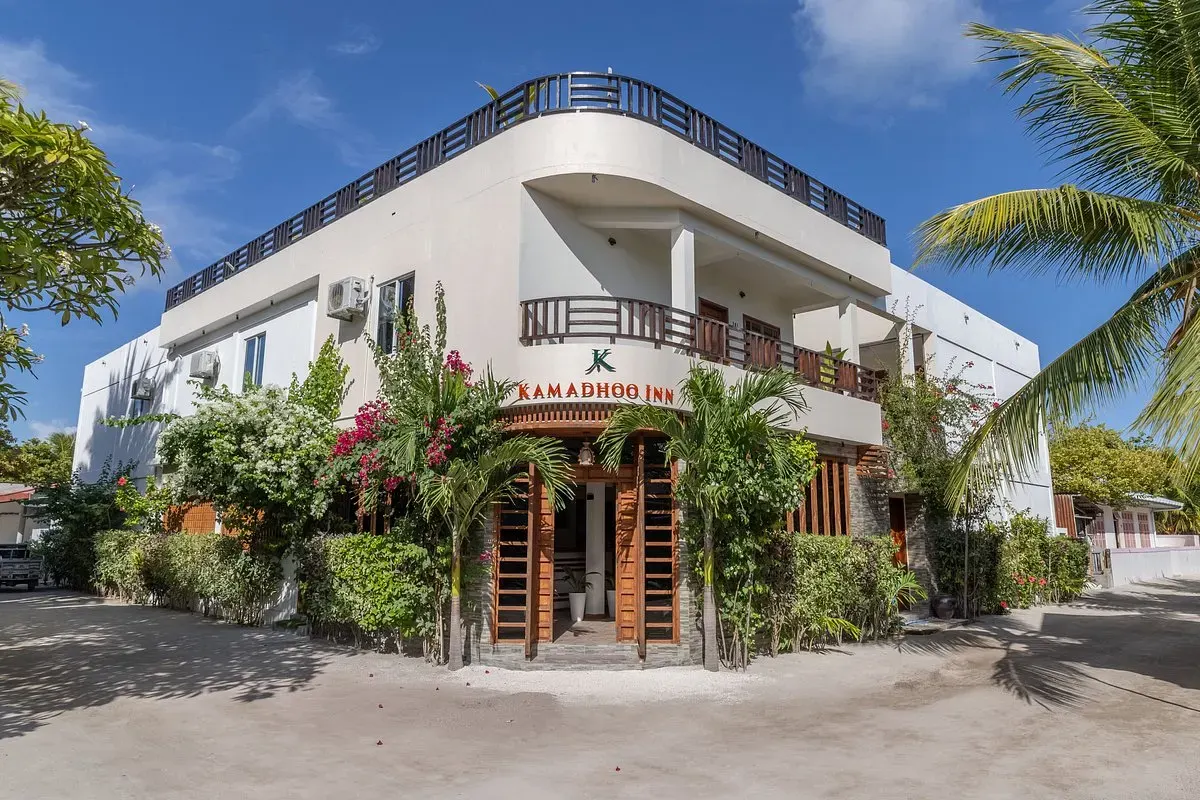
Guesthouse tourism has transformed many local islands. Since inhabited islands opened to tourism, hundreds of guesthouses have opened, bringing income and jobs to island communities and giving visitors a more affordable way to experience the Maldives. If you are thinking of opening one, this guide explains the licensing framework, the homestay option, tax obligations and the practical questions every new owner should answer before investing.
The legal starting point: the Tourism Act
Tourist accommodation in the Maldives is governed by the Maldives Tourism Act (Law No. 2/99) and regulations made under it, including the Regulation on the Operation of Guesthouses. The Act is clear: a tourist guesthouse cannot operate until it is registered with the Ministry of Tourism and the owner has obtained a licence issued by the ministry.
Under the Act, a licence is granted when, among other things:
- the building and facilities meet the ministry's guidelines;
- the services the ministry considers necessary are provided;
- the registration fee has been paid; and
- the property is on an island where tourist guesthouses are permitted.
Today, the ministry's services, including the guesthouse operating licence and its renewal, are offered through the government's one.gov.mv portal. The ministry recommends applying well before the date you want to open or before your licence is due for renewal.
Two routes: a guesthouse or a homestay
Standard tourist guesthouse
A standard guesthouse is a purpose-built or converted building operated as tourist accommodation. It must meet the ministry's standards for rooms, bathrooms, safety and services, and goes through registration and licensing as described above.
Homestay guesthouse
In 2021, an amendment to the guesthouse regulation introduced homestay guesthouses, which can operate inside residential units, including houses and apartments where people live. As reported at the time:
- homestays need a permit from the Ministry of Tourism;
- permits are for locally owned businesses, for a renewable period of five years;
- a homestay can have a maximum of five rooms, each with an attached toilet and meeting a minimum room size;
- each room needs windows for ventilation and natural light; and
- a separate entrance for guests is required.
Homestays lower the barrier to entry for families who want to host a few guests without building a new property. Check the current version of the regulation, as standards may have been updated since 2021.
Documents you will typically need
Requirements vary, but summaries of the homestay registration process listed documents such as:
- the completed application form;
- land registration documents, and a lease agreement if the property is rented;
- business registration and business name registration documents;
- police records for the owners and directors;
- a TGST registration certificate from MIRA; and
- plans or photos showing the rooms meet the required standards.
Before permits are issued, the business must be registered with MIRA, and the criminal records of company directors may be checked.
Before you apply: business registration
You need a registered business to apply. Most guesthouse owners use a sole proprietorship (if they are Maldivian and running a small operation) or a private company (for larger guesthouses, partnerships or where investors are involved). Our guide to choosing a business structure compares the options, and our guide to registering a company walks through the steps.
Tax registration and what you'll collect
Guesthouses supply tourism goods and services, so they must register for GST with MIRA regardless of turnover, in the tourism sector. That means:
- charging tourism GST (TGST) at 17% (from 1 July 2025) on rooms, meals, excursions and other services;
- collecting the green tax: USD 6 per person per night for guesthouses on inhabited islands with 50 or fewer rooms, and USD 12 for larger ones (rates from 1 January 2025); and
- filing returns and paying MIRA on time; green tax statements and payments are due by the 28th of the following month.
The business will also pay income tax on its profits. See our guides to GST registration, the green tax and business income tax.
Council and community
Island councils play an important role. They manage land on many islands, issue land use permits and are closely involved in how tourism develops locally. Speak to your island council early about:
- whether the land or building can be used for a guesthouse;
- any council permits or approvals required;
- the island's designated tourist beach and rules for guests; and
- waste management and utilities.
Good relations with the community matter too. Guests should respect local customs, and neighbours should feel that tourism benefits the island.
Before opening: quota and staff
If you need to employ foreign staff, the ministry offers a pre-opening quota service for registered tourist establishments, and you will need to follow the usual foreign worker process. Hiring local staff, especially from the island itself, builds goodwill and is often encouraged. See our guide to employing staff.
Practical questions to answer first
Transport
How will guests reach your island? Check public ferry days and speedboat options from Malé or the nearest airport. Islands with frequent, affordable transport are much easier to market. Our guides to public ferries and speedboat transfers explain the options.
What guests will do
Guests choose islands for their beaches, reefs and excursions. Is there a good tourist beach? Snorkelling nearby? Dive centres? Sandbanks or resorts for day trips? Many successful guesthouses partner with local excursion operators or run their own trips.
Competition and pricing
Some islands have dozens of guesthouses; others have few. Research occupancy, prices and reviews of existing properties. Remember to quote prices clearly, showing whether TGST, green tax and service charge are included.
Booking channels
Most guesthouses rely on online travel agencies, plus their own website and social media. Budget for commission, and keep availability up to date to avoid double bookings.
Utilities and supplies
Electricity, water, internet and food supplies all depend on the island's infrastructure and transport. Plan for reliable hot water, air conditioning and Wi-Fi, which guests expect, and for backup when supplies run short.
Financing
Building or converting a guesthouse takes significant capital. Maldivian owners can look at commercial bank loans and SME finance, including SDFC loans, which have included products for local tourism. Prepare a realistic business plan with conservative occupancy, especially for the low season.
Common mistakes
- Building before checking standards. Room sizes, bathrooms, windows and entrances must meet the regulation; changing a building afterwards is costly.
- Opening before the licence is issued. Operating without registration and a licence is against the law.
- Forgetting tax registration. Tourism businesses must register for GST whatever their size.
- Unclear pricing. Guests leave poor reviews when taxes are added unexpectedly.
- Ignoring the low season. Plan cash flow for months with fewer guests.
Step-by-step summary
- Talk to your island council about land use and local rules.
- Decide between a homestay and a standard guesthouse; check the current standards.
- Register your business (sole proprietorship or company).
- Register with MIRA, including TGST.
- Prepare the property to meet ministry standards.
- Apply to the Ministry of Tourism for registration and the operating licence or homestay permit through one.gov.mv.
- Arrange staff, transport partners, booking channels and excursions.
- Open, collect taxes correctly and keep your licence renewed.
Regulations for guesthouses have been amended several times. Before investing, check the latest regulation and guidelines on the Ministry of Tourism's portal, or ask a consultant who works with guesthouse licensing.
Common questions
Can a foreigner open a guesthouse in the Maldives?
Homestay permits are for locally owned businesses. Foreigners interested in guesthouse tourism need foreign investment approval and must check whether guesthouse operation is open to foreign investors under the current policy, often through a partnership with a Maldivian.
How many rooms can a homestay guesthouse have?
The 2021 homestay rules allowed a maximum of five rooms, each with an attached toilet and meeting minimum size, ventilation and lighting standards, with a separate guest entrance.
Do I need to charge green tax?
Yes. Guesthouses collect the green tax from guests and pay it to MIRA. Guesthouses on inhabited islands with 50 or fewer rooms charge USD 6 per person per night.
How long does a homestay permit last?
Homestay permits were reported as granted for a renewable period of five years. Check the current regulation and the Ministry of Tourism's service portal for up-to-date terms.
Official sources
- Maldives Tourism Act (Law No. 2/99)
- One.gov.mv: Ministry of Tourism services
- CTL Strategies: Fourth Amendment to the Regulation on the Operation of Guesthouses
- Crowe Maldives: Introduction of homestay tourism in the Maldives
- MIRA: Goods and Services Tax
Last reviewed 15 October 2026. This guide is general information, not legal or financial advice. Rules change, so confirm with the official source before you apply. Report an error
Local islandsGuesthouseTourism licence