Importing goods into the Maldives for your business: customs, duty and GST
How commercial imports are cleared: the documents customs needs, using a customs broker, how import duty and GST are calculated, importer GST registration and common delays.
Quick answer
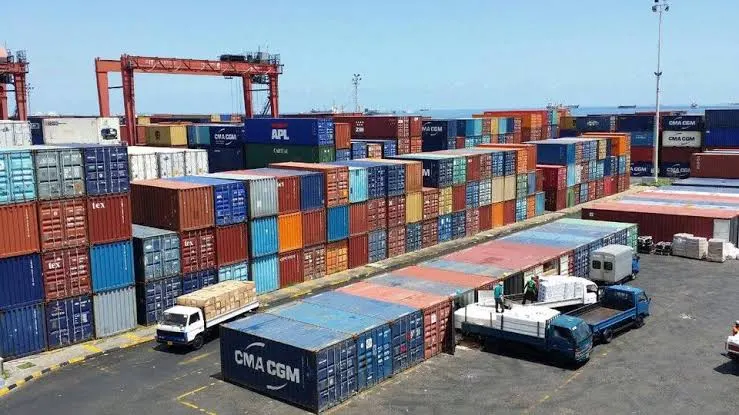
- Almost everything sold in the Maldives is imported, and commercial imports go through Maldives Customs clearance.
- Customs needs a goods declaration with documents such as the commercial invoice, packing list and bill of lading or airway bill.
- Import duty is generally charged as a percentage of the CIF value, at rates set in the customs tariff for each product.
- Businesses that import must register for GST with MIRA within 30 days of the import.
The Maldives imports almost everything it uses: food, building materials, fuel, furniture, electronics and much more. For many businesses, importing is at the heart of the operation, and how efficiently you clear goods through customs affects your costs, cash flow and customer service. This guide explains the basics of commercial imports: documents, duty, GST and how to avoid delays.
Who is involved
- Maldives Customs Service clears imports, collects import duty and GST at the border, and enforces import rules.
- Customs brokers are licensed agents who prepare and lodge declarations for importers.
- Shipping lines, airlines and freight forwarders bring the goods in and issue transport documents.
- Ports and airports, mainly Malé's commercial port and Velana International Airport for air cargo.
- Other authorities issue permits for controlled goods, such as food, medicines, plants and animals.
- MIRA handles GST registration and returns.
Step 1: register for GST
MIRA requires anyone who imports goods into the Maldives for business to register for GST within 30 days of the import date, whatever their turnover. (People importing only for personal use, and government authorities, are excluded.) Registering early also means you can claim back the GST you pay at the border. See our guide to registering for GST.
Step 2: check whether your goods need permits
Many goods can be imported freely, but some need permission from another authority before customs will release them. Examples include:
- food, which is regulated by the Maldives Food and Drug Authority;
- medicines and medical products;
- live animals and plants, which require sanitary or phytosanitary certificates and ministry approval;
- vehicles, which have their own import rules; and
- chemicals and other controlled goods.
Some goods are prohibited, including alcohol (except for licensed tourist establishments), pork products for general sale, pornography and items considered contrary to Islam. Check before you order.
Step 3: prepare the documents
Clearance is based on a goods declaration lodged with customs by the importer or a broker. Supporting documents typically include:
- commercial invoice from the supplier, showing goods, quantities, prices and terms;
- packing list;
- transport document: bill of lading (sea), airway bill (air) or courier waybill;
- pre-valuation form or other valuation information, where required;
- certificate of origin, if claiming a preferential rate under a trade agreement; and
- permits from other authorities, if the goods are controlled.
Make sure your supplier's invoice is accurate and detailed. Vague descriptions such as "spare parts" or "goods" cause questions and delays.
Step 4: classification and valuation
Every product has a tariff classification (an HS code) in the Maldives customs tariff, which determines the duty rate. Import duty is generally ad valorem: a percentage of the CIF value, meaning the cost of the goods plus insurance and freight to the Maldives. Rates vary widely between products, from 0% for some essentials to much higher rates for others. Look up the current rate for your product's HS code in the official tariff, or ask a broker.
Step 5: GST at the border
GST is charged on imported goods during clearance. Third-party guides describe the calculation as GST on the value including duty, for example (CIF value + duty) × 8% for general goods. Confirm the exact basis with customs or your broker. If you are GST-registered, you can generally claim the import GST as input tax in your next return, provided you keep the customs declaration and receipts.
Step 6: payment and release
Once the declaration is processed and duty and GST are paid, customs releases the goods, subject to any inspection. You or your agent can then collect the goods from the port, airport cargo terminal or courier.
A worked example
A shop imports kitchen equipment with a supplier price of USD 8,000, plus USD 800 freight and USD 100 insurance: a CIF value of USD 8,900. If the product's duty rate were 10% (an illustration only; check the real rate), duty would be USD 890. GST at 8% on the CIF value plus duty (USD 9,790) would be about USD 783. The shop pays duty and GST to clear the goods, then claims the USD 783 GST back in its GST return, while the duty becomes part of the cost of the goods.
Using a customs broker
Importers can clear goods themselves, but many use a licensed customs broker. A good broker:
- classifies goods correctly and advises on duty rates;
- prepares and lodges declarations;
- deals with customs queries and inspections; and
- arranges delivery from the port or airport.
Agree fees in advance, and keep copies of every declaration they lodge for you.
Common reasons for delays
- Missing or inconsistent documents, such as an invoice that doesn't match the packing list.
- Wrong classification, leading to queries or reassessment of duty.
- Undervaluation concerns: if the declared value looks too low, customs may ask for evidence.
- Missing permits for controlled goods.
- Unpaid duties or fines on the importer's account.
Sea, air or courier?
- Sea freight is the cheapest way to bring in bulky or heavy goods, such as building materials, furniture and bulk food. It is slow, so order well ahead, especially before peak seasons and Ramadan.
- Air freight is faster and suits high-value, urgent or perishable goods, but costs much more per kilogram.
- Courier services are convenient for small, urgent shipments and documents. Couriers often handle the declaration for you, but duty and GST still apply.
Many businesses use a mix: regular sea shipments for core stock and air or courier for urgent items. Remember that freight and insurance are part of the CIF value on which duty is calculated.
Working with overseas suppliers
- Agree the terms of sale clearly (for example, who pays freight and insurance) so you know your landed cost.
- Ask for accurate product descriptions and HS codes on invoices.
- Request a certificate of origin where a trade agreement could reduce duty.
- Check labelling rules for food and other regulated goods before shipping; relabelling after arrival is costly.
- Consolidate orders to reduce freight and clearance costs per item.
Cash flow and the dollar shortage
Most imports are paid for in US dollars. During the ongoing dollar shortage, banks have limited foreign currency transfers, which can delay payments to overseas suppliers. Plan payments early, talk to your bank about trade finance and foreign currency availability, and consider supplier credit terms. Duty and GST also have to be paid before release, so budget for them alongside the purchase price.
Personal imports are different
Individuals importing goods for their own use, such as online shopping, have a separate duty concession. But goods consigned to a company are treated as commercial, and even personal consignments can be treated as commercial if the quantity suggests resale. Our guide to online shopping, parcels and import duty explains the personal rules.
Checklist for importers
- Register for GST with MIRA (within 30 days of your first import).
- Check whether your goods need permits or are prohibited.
- Ask suppliers for detailed invoices and packing lists.
- Confirm the HS code and duty rate.
- Arrange a broker or lodge the declaration yourself.
- Budget for duty, GST, broker fees and port charges.
- Keep all customs documents to claim GST and for audits.
Common questions
Do I need a customs broker?
No, importers can clear goods themselves, but many use a licensed customs broker to prepare and lodge the goods declaration, especially for regular or complex shipments.
How is import duty calculated?
Import duty is generally ad valorem, meaning a percentage of the CIF value (cost, insurance and freight). The rate depends on the product's tariff classification.
Is GST charged on imports?
Yes. GST is charged at the border on imported goods. Registered businesses can generally claim it back as input tax if they keep the customs documents.
Can I import goods in my personal name and sell them?
No. Goods imported for sale are commercial imports. Declaring commercial goods as personal effects can lead to full duty, fines and loss of exemptions.
Where can I find the duty rate for my product?
Look up the product's HS code in the official Maldives customs tariff published by Maldives Customs Service, or ask a licensed customs broker to classify it for you.
Official sources
- Maldives Customs Service: Importers
- Tradian (Maldives trade portal): declaration processing
- MIRA: GST registration guide
- Lloyds Bank Trade: Customs procedures of the Maldives
Last reviewed 8 November 2026. This guide is general information, not legal or financial advice. Rules change, so confirm with the official source before you apply. Report an error
Related guides


From our network
Hitraisers
Domains, hosting, business email, websites and social media marketing in the Maldives.
See what Hitraisers does ↗hitraisers.com is run by the same team as HandyMaldives.