Surfing in the Maldives: seasons, regions, breaks and how to plan a trip
A surfer's guide to the Maldives: when the waves are best, the North Malé, central and southern atolls, famous breaks such as Cokes and Chickens, surf camps versus boat charters, costs and reef safety.
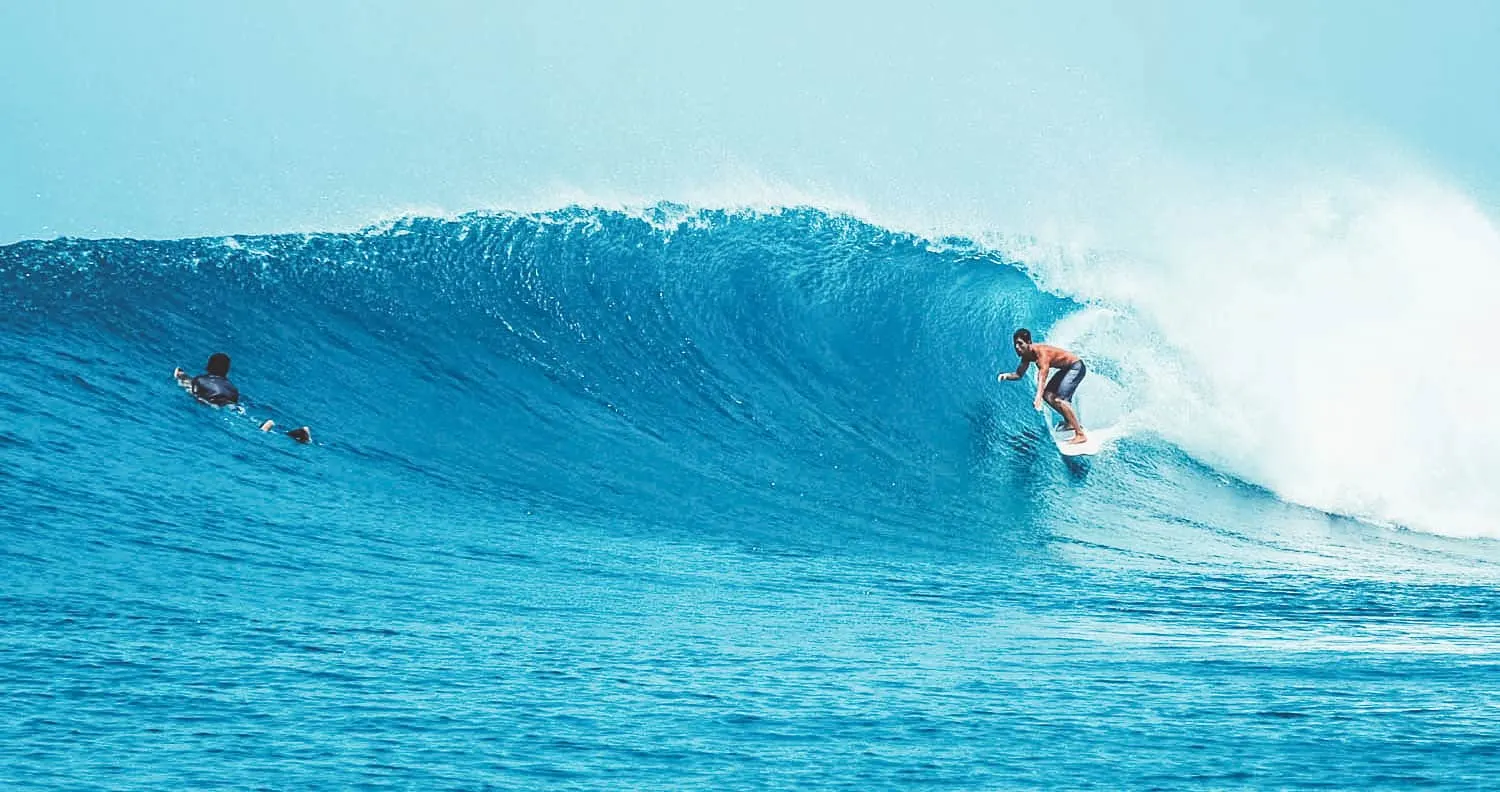
Quick answer
- The main surf season is roughly March to October, during the southwest monsoon, when Indian Ocean swells arrive.
- North Malé atoll has the best-known breaks, such as Cokes, Chickens, Jailbreaks, Sultans and Honky's.
- Surfers stay at surf camps on local islands, surf resorts, or on boat charters that follow the swell.
- Most breaks are reef breaks reached by boat, best for intermediate and advanced surfers.
The Maldives is famous for turquoise lagoons, but on the outer edges of the atolls, Indian Ocean swells break on coral reefs to create consistent, clean waves in warm water. Combined with uncrowded line-ups in many areas and the chance to surf from a boat, it's a bucket-list destination for many surfers. This guide covers when to go, where, and how to plan.
When to go
The surf season follows the monsoons:
- Main season: roughly March to October, during the southwest monsoon, when swells from the southern Indian Ocean arrive regularly.
- Peak months, usually in the middle of that period, bring the biggest swells but also more wind and rain at times.
- Shoulder months such as March, April, September and October often combine good waves with lighter winds and fewer surfers.
- November to February is generally a quieter surf period, with smaller swells, though waves can still be found.
Conditions vary by region and year. Check forecasts and talk to surf camps or charter operators before booking. See the best time to visit.
The main surf regions
North Malé atoll
The most accessible region, close to the airport, with the best-known breaks:
- Cokes: a powerful right-hander off Thulusdhoo, named after the island's soft drink factory. For experienced surfers.
- Chickens: a long left, also near Thulusdhoo.
- Jailbreaks: a right-hander near Himmafushi, named after a former prison nearby.
- Sultans and Honky's: near Thanburudhoo, a classic right and a left.
- Lohis and Pasta Point: breaks near resorts, where access may be linked to the resort.
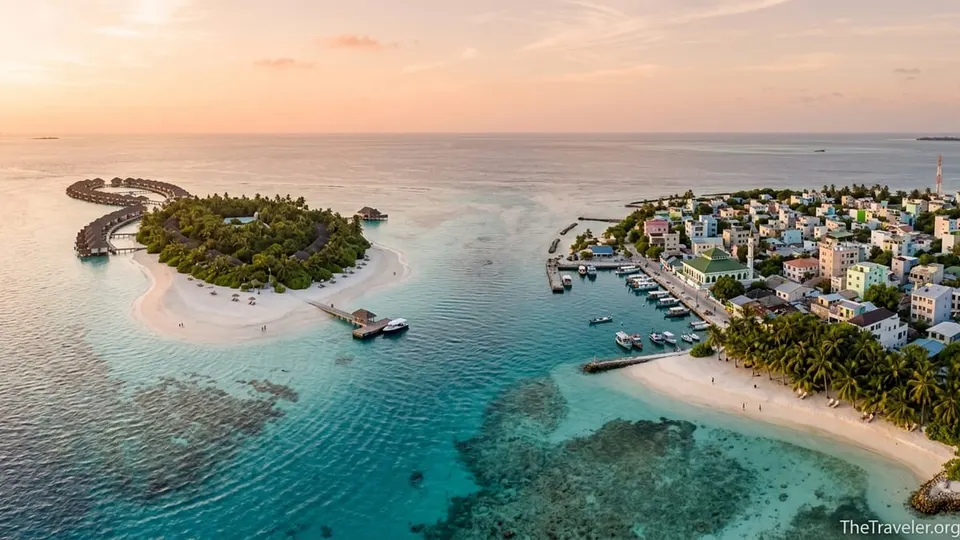
Local islands such as Thulusdhoo and Himmafushi have surf camps. See getting to Thulusdhoo and Himmafushi.
South Malé atoll
Further south of Malé, with a handful of breaks and fewer surfers. Reached by charter boats and some resorts.
Central atolls
Atolls such as Laamu have breaks that work during the season, with surf resorts and guesthouses offering access to quieter waves.
Southern atolls
The large Huvadhoo (Gaafu Alifu and Gaafu Dhaalu) atoll and others in the south are known for quality waves and fewer crowds. They are more remote, reached by domestic flights and boats, and often surfed by boat charters. Timing can differ from the north, so check regional seasonality.
Ways to surf the Maldives
Surf camps on local islands
Budget-friendly surf camps on islands such as Thulusdhoo and Himmafushi offer accommodation, meals and daily boat trips to breaks. You'll experience local island life, with its rules on dress and no alcohol. See resort or local island.
Surf resorts
Some resorts are located near breaks and offer surf packages, sometimes with access to waves near the resort. More comfort, higher cost.
Boat charters
Surf charter boats (liveaboards) cruise between breaks, following the best swell and wind each day. A great way to reach remote waves and avoid crowds. Charters usually run for a week or more and suit groups of friends.
Skill level
Most Maldivian breaks are reef breaks: the waves break over coral, sometimes in shallow water. They suit intermediate and advanced surfers. Beginners can learn with qualified coaches who choose suitable spots and conditions, but should expect a more challenging learning environment than sandy beach breaks.
Safety
- Reef: wear booties if needed, learn the safe entry and exit points, and know the tide.
- Currents: channels can have strong currents; listen to local guides.
- Sun: equatorial sun is intense; use rash vests and reef-safe sunscreen.
- Cuts: clean coral cuts thoroughly; they infect easily.
- Insurance: get travel insurance that covers surfing and medical evacuation.
Etiquette
- Respect the line-up and local surfers.
- Don't drop in.
- Share waves, especially at busy breaks.
- Take care of the reef: don't stand on coral where you can avoid it.
- On local islands, cover up when walking through the village.
What to pack
- Boards suited to reef breaks and the swell size you expect, with a spare if you can.
- Board bag with good protection; check airline fees.
- Warm-water wax, fins, leash and a repair kit.
- Reef booties, rash vests and surf hats.
- Reef-safe sunscreen and after-sun.
- First aid kit for cuts.
See the packing list.
Costs
Surf camps are the budget option, usually priced per night or per week with boat trips included. Resorts and charters cost more. Remember airline board fees, transfers, and tourist taxes such as the green tax. See the Maldives on a budget.
Non-surfing partners
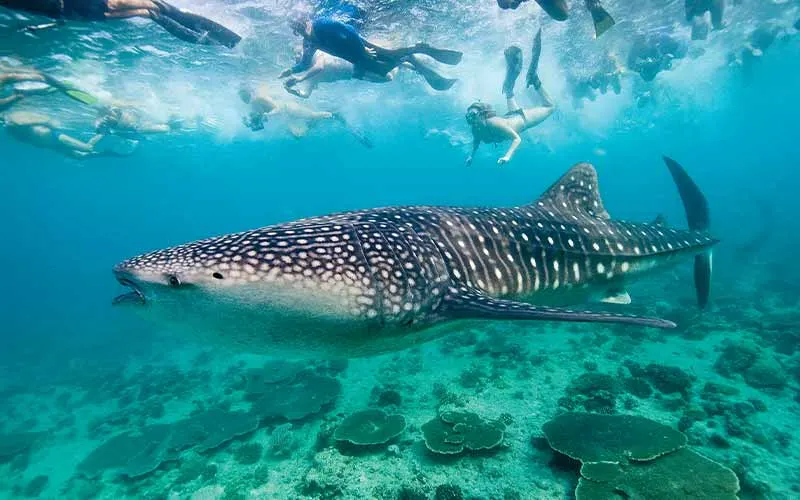
The Maldives is a great destination for non-surfers too: snorkelling, diving, sandbank trips, spa days and relaxing on the beach. Choose a base that offers these activities.
A typical day at a surf camp
- Early morning: check the conditions and head out by boat to the break that suits the swell, wind and tide.
- Morning session of two to three hours.
- Midday: lunch and rest out of the strongest sun.
- Afternoon session, often at a different break.
- Evening: sunset, dinner and planning the next day.
On charters, the boat moves between breaks overnight or between sessions, so you wake up next to the waves.
Choosing boards
Maldivian waves are usually clean and powerful but rarely huge. Many surfers bring a performance shortboard and a slightly longer step-up for bigger days, plus a spare in case of damage. Fish and mid-length boards can be fun on smaller days. Ask your camp or charter about typical wave sizes for your dates.
Reading the forecast
Swell forecasts give an idea of size and period, but local knowledge matters most: reef shape, tide and wind direction decide which break works. Surf guides at camps and on charters choose spots daily. Wind tends to be stronger in the peak monsoon months, which is one reason many surfers prefer the shoulder season.
Access to breaks near resorts
Some breaks are near resorts, and access has at times been linked to the resort, with rules on how many surfers can be in the water. Rules have changed over the years following debate about fair access for local surfers and guests. Ask your camp or charter about current access to specific breaks.
Health on a surf trip
- Clean reef cuts immediately and keep them dry where possible.
- Drink plenty of water and eat well; long sessions in heat are draining.
- Bring ear plugs if you're prone to surfer's ear.
- Know where the nearest clinic is and have insurance with evacuation cover.
Local surf culture
Surfing has a growing local following, and Maldivian surfers have competed internationally. Respect local surfers, who often know the breaks best, and support local surf businesses where you can.
Checklist
- Choose your timing within the season.
- Choose a region and style: surf camp, resort or charter.
- Check your skill level matches the breaks.
- Book transfers and check airline board fees.
- Get insurance covering surfing.
- Pack for reef breaks and strong sun.
Common questions
When is the best time to surf in the Maldives?
The main season runs roughly from March to October, with the biggest and most consistent swells in the middle months. Shoulder months like March, April, September and October often offer good waves with fewer crowds.
Is the Maldives good for beginner surfers?
Most breaks are reef breaks better suited to intermediate and advanced surfers. Beginners can learn with qualified coaches at suitable spots, but the Maldives isn't the easiest place to learn.
Do I need a boat to surf in the Maldives?
Usually yes. Most breaks are on outer reefs, reached by boat from surf camps, resorts or charter boats.
Is it crowded?
Popular North Malé breaks can get busy in peak months. Southern atolls and boat charters to remote breaks offer quieter waves.
What should I bring for a Maldives surf trip?
Boards suited to reef breaks, reef booties, a rash vest and sun protection, wax for warm water, a repair kit, and travel insurance that covers surfing.
How big are the waves in the Maldives?
Waves are often in the head-high range during the season, sometimes bigger at exposed breaks during large swells. Conditions vary by break, so local guides pick spots to suit your level.
Official sources
- Visit Maldives: Surfing
- Maldives Meteorological Service
- Ministry of Tourism and Environment
- Surfline: Maldives surf forecasts
Last reviewed 21 November 2026. This guide is general information, not legal or financial advice. Rules change, so confirm with the official source before you apply. Report an error
Related guides
From our network
Maldives Investments
Apartments, houses and land for sale and rent in Malé, Hulhumalé and across the Maldives, with prices.
Browse property listings ↗maldivesinvestments.com is run by the same team as HandyMaldives.