Getting around Malé: taxis, buses, scooters and walking
How to get around the capital: walking distances, regulated taxi fares, RTL buses, ferries to Villimalé and the airport, scooters, and tips for crossing busy streets.
Quick answer
- Malé is small: you can walk across the city in around half an hour.
- Taxi fares are regulated: the 2024 schedule set a flat MVR 30 for trips within the Malé–Hulhumalé zone.
- RTL buses connect Malé with Hulhumalé and the airport, and some accept contactless cards.
- Scooters dominate the roads, so take care crossing streets and walking on narrow pavements.
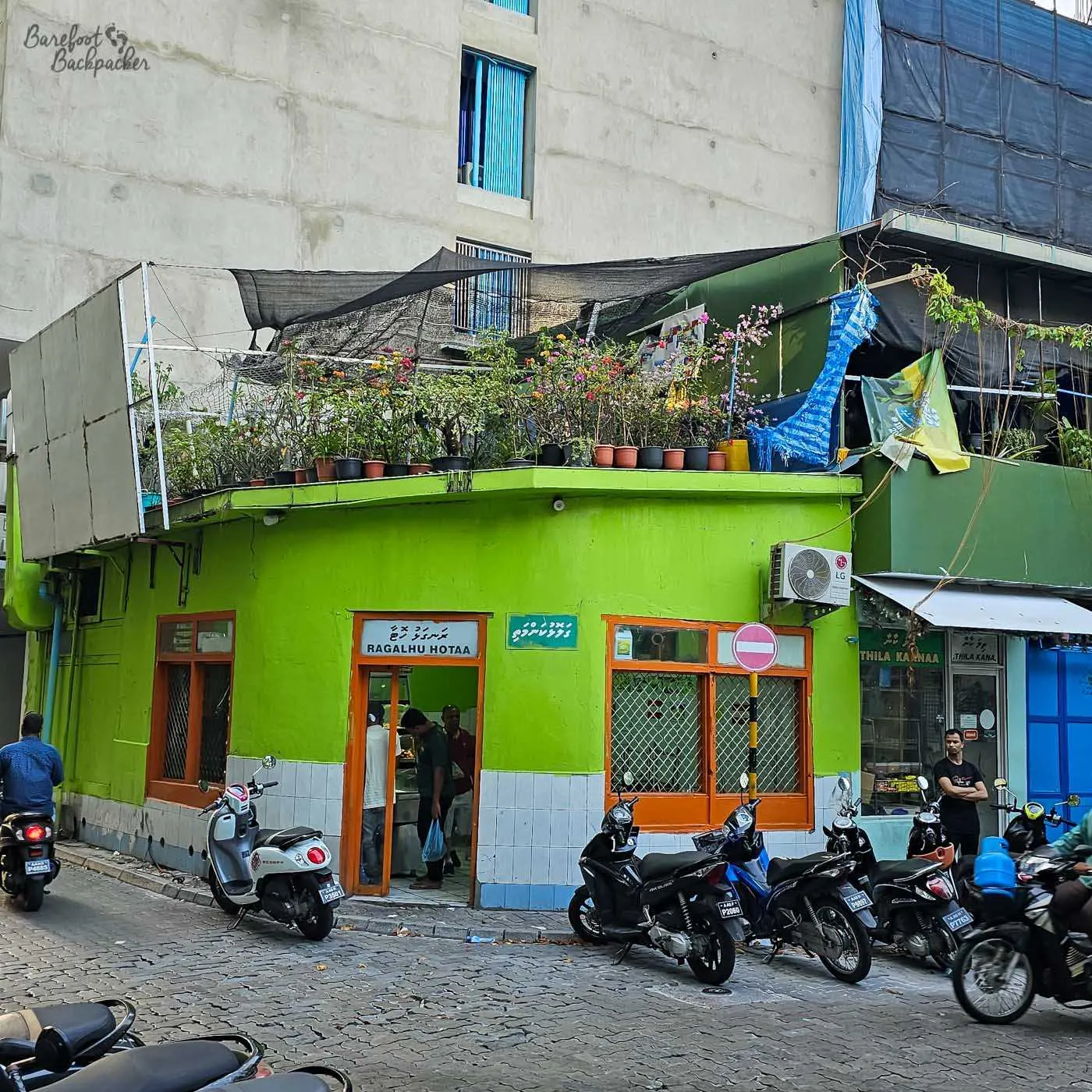
Malé is one of the most densely populated cities in the world, packed onto a small island with narrow streets, thousands of scooters and very few cars by global standards. For newcomers it can feel chaotic, but it's actually easy to get around once you know the options. This guide covers walking, taxis, buses, ferries and scooters, with practical tips for residents and visitors.
Understanding the layout
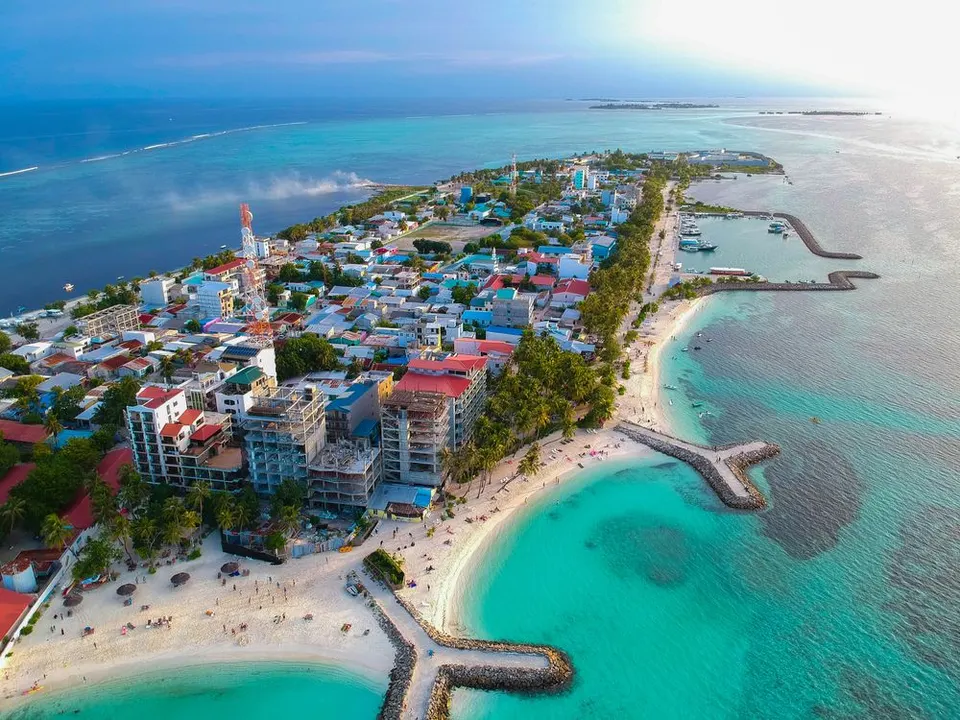
Malé island is small: you can walk from one side to the other in around 30 minutes. The city is linked by the Sinamalé Bridge to Hulhulé (the airport island) and on to Hulhumalé. Villimalé (Villingili), a short ferry ride away, is also part of Malé City. Many residents live in one area and work or study in another, so moving between them is part of daily life.
Walking
For most trips within Malé, walking is the simplest option. Government offices, banks, shops, the fish market and the waterfront are all within easy reach. A few tips:
- Pavements are narrow and often blocked by parked scooters, so you'll sometimes walk on the road edge; stay alert.
- Cross carefully. Scooters move quickly and weave through traffic. Use crossings where available, and make eye contact with riders.
- Beat the heat. Walk early in the morning or late afternoon, carry water, and use shaded streets.
- Dress modestly: cover shoulders and knees.
- The waterfront, with its breezes and views, is often the most pleasant walking route.
Taxis
Taxis are plentiful and affordable, and fares are regulated by the Ministry of Transport. Under the fare schedule that took effect on 20 May 2024:
| Trip | Fare |
|---|---|
| Within the zone (Malé, Hulhumalé, Hulhumalé Phase 2) | MVR 30 |
| Hulhumalé Phase 1 to Phase 2 | MVR 40 |
| Malé to Hulhumalé Phase 1 | MVR 85 |
| Malé to Hulhumalé Phase 2 | MVR 100 |
| Airport to Malé | MVR 70 |
| Airport to Hulhumalé Phase 1 / Phase 2 | MVR 80 / MVR 85 |
The ministry also allowed an extra MVR 10 for trips to the airport's domestic terminal. Fares in Malé have been revised several times over the years, so check whether a newer schedule applies.
How to get a taxi
- Flag one down on main roads.
- Call a taxi centre or use a local taxi app; registered taxis in the Malé area have been required to use an app system.
- Taxi ranks are found near ferry terminals and busy areas.
Taxi tips
- Have rufiyaa in small notes; drivers may not have change for large notes.
- Confirm the fare before setting off if you're unsure, especially for trips between zones.
- Luggage and late-night trips may carry extra charges set in the schedule.
- Tipping isn't expected.
Buses (RTL)
The Raajje Transport Link (RTL) network runs city buses in Malé and Hulhumalé, with routes connecting to the airport. Buses are air-conditioned and inexpensive. Payment options reported include exact cash to the driver and tapping a Visa or Mastercard on the reader, as well as the RTL app. Route maps and timetables are on RTL's website and app. Buses are particularly useful for travelling between Malé and Hulhumalé over the bridge.
Ferries
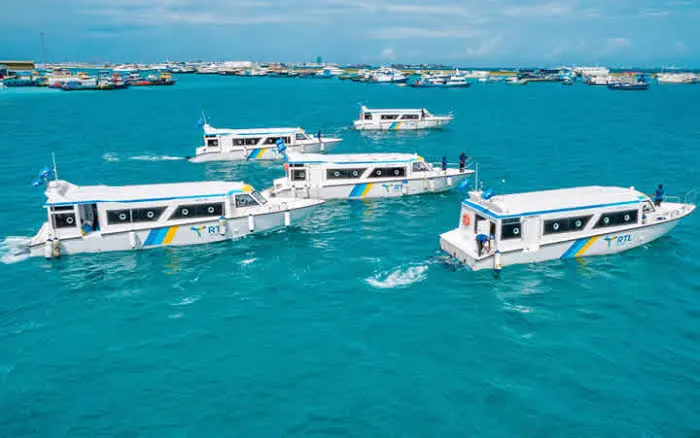
- Villimalé: frequent ferries run from the Villingili ferry terminal on Malé's southwest side, every 15 to 30 minutes for much of the day.
- Airport: the airport ferry crosses frequently to Hulhulé, including on Fridays.
- Other islands: inter-island ferries leave from Malé's terminals on set schedules. See our public ferry guide.
Scooters
Scooters are the main form of private transport in Malé; for many residents they're the fastest way around. If you live here and want to ride, be aware of recent changes for foreigners:
- Foreign nationals can no longer get a Maldivian licence based only on their foreign licence; they must pass a local driving assessment.
- Licences issued to foreigners are limited to the validity of the original foreign licence.
- Registration of vehicles in the names of foreigners was reported as suspended while road traffic laws were being revised.
See our guide to driving licences and scooters for foreigners. Always wear a helmet, and avoid riding in the rain until you're confident on the wet, crowded roads.
Places you can walk to
Many of Malé's best-known sights are close together near the northern waterfront, making a walking tour easy in a morning:
- The Islamic Centre and Grand Friday Mosque, with its golden dome, one of the city's landmarks;
- Hukuru Miskiy (the Old Friday Mosque), built from coral stone and known for its carvings;
- Sultan Park and the National Museum;
- The fish market and local market on the waterfront, busiest when the fishing boats come in; and
- The Artificial Beach in the east of the city, popular in the evenings.
Dress modestly, check mosque visiting times for non-Muslims, and avoid prayer times.
Late at night
Malé stays lively into the evening, especially after sunset during Ramadan and on weekends. Taxis run late, and the late-night fares in the schedule may apply. Buses run less frequently at night, so check the last bus if you're travelling to Hulhumalé.
Cycling
Some residents cycle, but Malé's traffic makes it challenging. Hulhumalé, with its wider roads and calmer streets, is much better suited to bicycles.
Getting to and from the airport
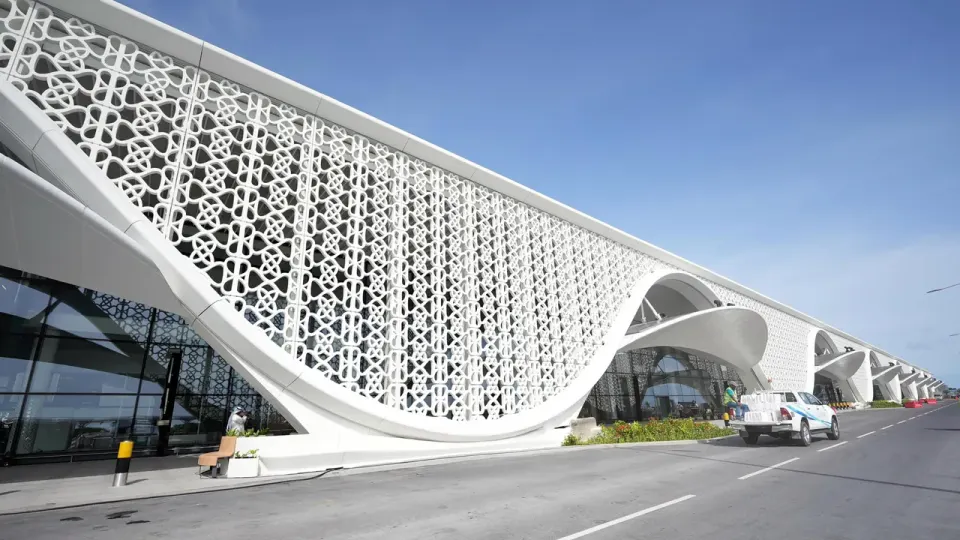
From Malé, take the airport ferry, an RTL bus over the bridge, or a taxi (MVR 70 under the 2024 schedule). Allow extra time at peak hours, when traffic on the bridge and Malé's roads slows down. See our guide to getting to and from the airport.
Rush hours and Fridays
Traffic peaks in the morning, at lunchtime and in the late afternoon, when schools and offices finish. Fridays are quieter in the morning, as the weekend begins and many people attend Friday prayers around midday. During Ramadan, traffic patterns change, with busy evenings after sunset.
Accessibility
Malé can be difficult for people with limited mobility: narrow and uneven pavements, parked scooters and few ramps. Taxis are the most practical option. Ask hotels about step-free access, and allow extra time.
Safety
- Watch for scooters when stepping off pavements and crossing.
- Use registered taxis.
- Keep bags on the side away from the road.
- At night, main streets are generally busy and well lit.
Quick guide: which option when?
- Short trips within Malé: walk.
- With luggage, or in the heat: taxi (MVR 30 within the zone).
- Malé to Hulhumalé on a budget: RTL bus.
- To Villimalé: ferry.
- To the airport: ferry, bus or taxi.
- Daily commuting for residents: scooter (if licensed), bus or taxi.
Weather and getting around
Heavy tropical showers can arrive suddenly, especially during the southwest monsoon. Streets can flood briefly, scooters slow down, and taxis become hard to find. Carry an umbrella, allow extra time on rainy days, and wait out the heaviest downpours if you can; they often pass quickly.
Tips for new residents
- Download the RTL app and save a taxi centre's number.
- Learn the main roads and landmarks: Majeedhee Magu is the main east–west street, and the waterfront ring road (Boduthakurufaanu Magu) runs around much of the island.
- Keep small notes for taxis and ferries.
- Consider living near your workplace or a bus route to reduce commuting time.
Common questions
How much is a taxi in Malé?
Under the fare schedule set by the Ministry of Transport in May 2024, trips within the zone covering Malé, Hulhumalé and Hulhumalé Phase 2 cost MVR 30. Fares between areas differ, for example MVR 85 between Malé and Hulhumalé Phase 1. Check the current schedule, as fares are revised from time to time.
Can I walk around Malé?
Yes. Malé is compact, and most places are within walking distance. Pavements can be narrow and busy, so take care.
Is there Uber in Malé?
International ride-hailing apps don't operate in the Maldives in the same way as elsewhere, but local taxi apps and taxi centres take bookings. Many people also flag taxis on the street.
Can tourists rent a scooter in Malé?
Riding requires a valid licence recognised in the Maldives, and rules for foreigners have been tightened. Visitors generally find walking, taxis and buses easier.
How do I get from Malé to Villimalé?
Take the ferry from the Villingili ferry terminal on Malé's southwest side. Ferries run frequently through much of the day, and the crossing is short.
Official sources
- The Edition: Transport Ministry sets new taxi fares
- Raajje Transport Link (RTL)
- Atoll Times: Foreigners must pass a local driving test
Last reviewed 21 October 2026. This guide is general information, not legal or financial advice. Rules change, so confirm with the official source before you apply. Report an error
Related guides
From our network
Visit Ras Malé
Independent, sourced guides to Ras Malé, the new city being built off Malé: progress, property, ferries and living there.
Read the Ras Malé guides ↗visitrasmale.com is run by the same team as HandyMaldives.