Domestic flights and seaplanes in the Maldives: airlines, airports and tips
Who flies within the Maldives, the regional airports, how seaplane transfers work, baggage limits, daylight-only seaplanes, and how to plan connections with international flights.
Quick answer
- Domestic flights connect Velana International Airport with regional airports across the atolls.
- The main domestic airlines are Maldivian (Island Aviation Services), Manta Air and Villa Air (Flyme).
- Seaplanes, operated mainly by Trans Maldivian Airways, land on lagoons and fly only in daylight.
- Seaplanes and small domestic aircraft have strict baggage limits, so check your allowance before packing.
With its islands spread across hundreds of kilometres of ocean, the Maldives depends on aviation to move people quickly. For resort guests, a seaplane ride over the atolls is often a highlight of the holiday. For residents, domestic flights connect Malé with regional hubs in the north and south. This guide explains who flies, where, how seaplanes work, and how to plan connections without stress.
Domestic airlines
Maldivian (Island Aviation Services)
Maldivian, operated by the state-owned Island Aviation Services, is the national carrier. It has the most extensive domestic network, serving regional airports across the country, and also operates international routes and seaplane services.
Manta Air
Manta Air is a newer private airline that launched with ATR turboprop aircraft and has expanded its domestic network, including routes to airports serving resort clusters such as Dhaalu, Raa, Baa and Thaa atolls. It has also operated seaplane services.
Villa Air (Flyme)
Villa Air, which flies under the Flyme brand, operates domestic flights to airports including Maamigili and Dharavandhoo, with links to resorts in those areas.
Trans Maldivian Airways (TMA)
Trans Maldivian Airways is a privately owned seaplane operator, widely described as operating the world's largest seaplane fleet. It flies from the seaplane terminal at Velana International Airport to resorts across many atolls.
Airline networks change as routes open and close, so check current schedules with the airlines directly.
Regional airports
Domestic airports are spread through the atolls. Destinations served by domestic flights include, among others:
- Gan (Addu City), in the far south, which is also an international airport;
- Hanimaadhoo and Kulhudhuffushi in the north;
- Dharavandhoo (Baa Atoll), close to the Hanifaru Bay biosphere area;
- Maamigili (Alif Dhaal Atoll), known for whale shark trips;
- Fuvahmulah, famous for diving with tiger sharks;
- Kaadedhdhoo, Kadhdhoo, Thimarafushi, Ifuru, Kudahuvadhoo, Funadhoo, Madivaru and Maafaru.
Some of these airports were built mainly to serve resorts; others are important for residents of the atolls.
How seaplanes work
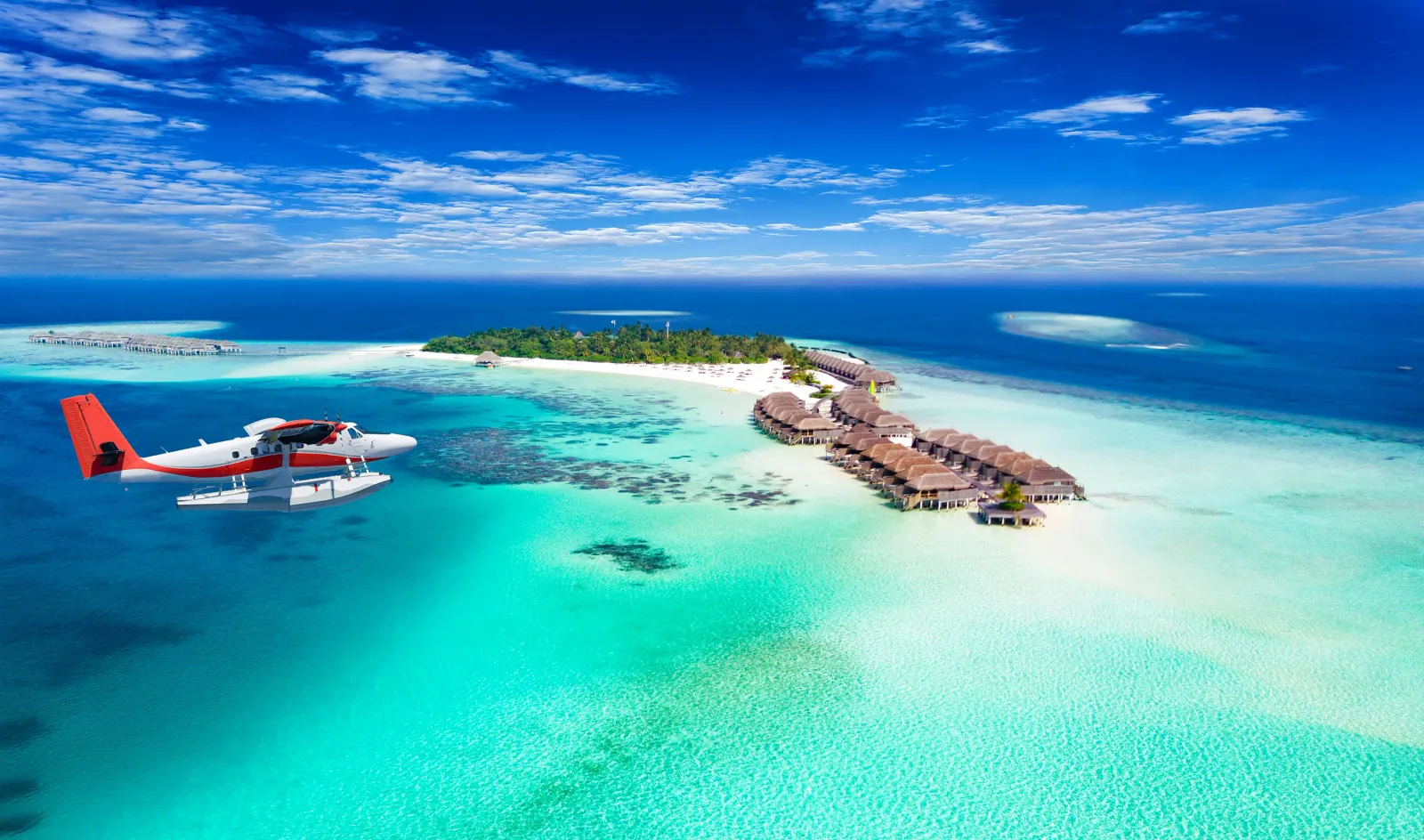
Seaplanes (de Havilland Twin Otters fitted with floats) take off from the water near Velana International Airport and land on resort lagoons, taxiing to a floating platform. Passengers then transfer by small boat or walk along a jetty to the resort.
- Daylight only: seaplanes fly only during daylight hours, because landings on water rely on visual conditions.
- Shared flights: a seaplane may stop at more than one resort, so your flight time can be longer than the direct distance suggests.
- Scheduling: seaplane times are often confirmed only the day before, based on arriving international flights and weather.
- Weather: strong winds or poor visibility can delay or cancel flights.
- Views: flying low over atolls, reefs and sandbanks is spectacular; have your camera ready.
Domestic flight plus speedboat
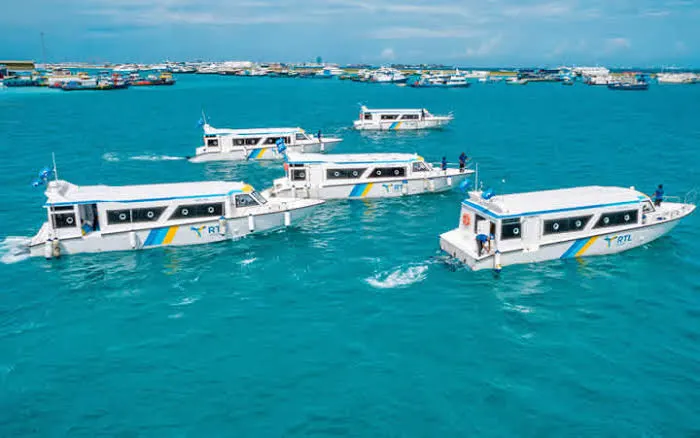
For resorts in more distant atolls, the transfer is often a domestic flight to a regional airport, followed by a speedboat ride to the resort. This combination can operate after dark (domestic flights use runways, and speedboats can run at night), so it can be more flexible for late international arrivals. Your resort will tell you which transfer it uses and arrange it as part of your booking.
Baggage allowances
Small aircraft and seaplanes have strict weight limits. Allowances are typically much lower than on long-haul international flights, with separate limits for checked and hand luggage. Excess baggage may be charged, or bags may travel on a later flight. To avoid problems:
- check your allowance with your resort or airline before you pack;
- use soft bags where possible, as they are easier to load;
- keep essentials (medication, swimwear, a change of clothes, documents) in your hand luggage; and
- ask whether you can leave extra luggage at the airport if you are travelling with surfboards, diving gear or extra suitcases.
Planning connections with international flights
- Check the last seaplane time before booking international flights. If you land late, you'll probably spend a night near the airport. Hulhumalé has many hotels a few minutes away.
- Allow time for departure transfers. Resorts schedule your seaplane or domestic flight to arrive well before your international departure; follow their timing.
- Keep in touch. If your international flight is delayed, tell the resort so it can re-arrange your transfer.
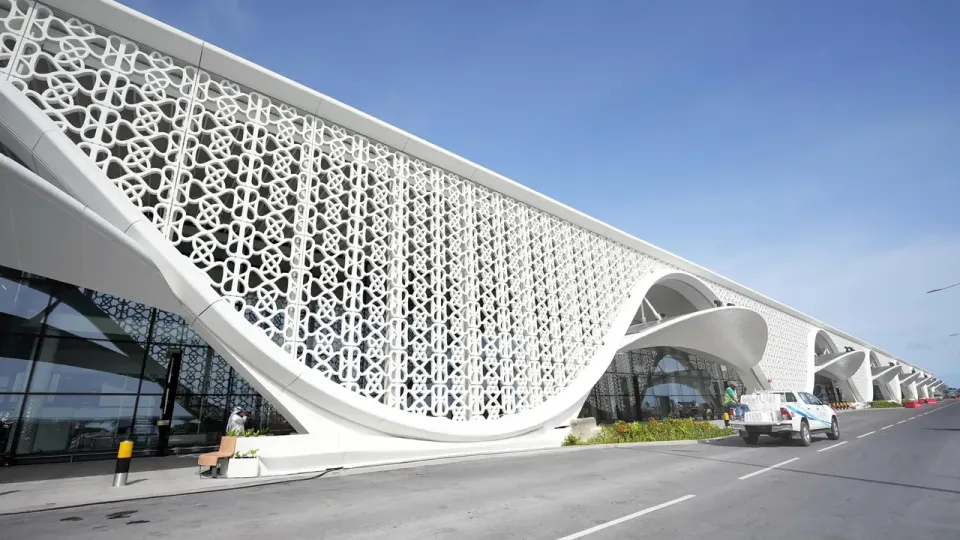
- Check in at the right terminal. Seaplanes use their own terminal; domestic flights use the domestic terminal. Both are on the airport island.
Domestic flights for residents
For Maldivians and expatriates living in the atolls, domestic flights are a lifeline for work, healthcare and family visits. Tickets can be bought directly from airlines. Fares vary with demand, and seats on popular routes fill quickly around holidays and Eid, so book early. Remember to bring ID: a Maldivian ID card for citizens, or a passport for foreigners.
Costs
Seaplane transfers are among the most expensive parts of a Maldives holiday and are usually charged per person on top of the room rate. Domestic flight plus speedboat transfers are often cheaper for distant resorts, though not always. Speedboat transfers are generally the cheapest option for resorts near Malé. If transfer cost matters to you, compare it when choosing a resort, as it can add significantly to the total price.
Comparing transfer types
| Seaplane | Domestic flight + speedboat | Speedboat only | |
|---|---|---|---|
| Best for | Resorts within seaplane range | Distant atolls | Resorts near Malé |
| Night operation | No | Often yes | Yes |
| Baggage limits | Strict | Strict on the flight | More relaxed |
| Typical cost | Highest | Medium to high | Lowest |
Travelling to the south: Gan and Addu City
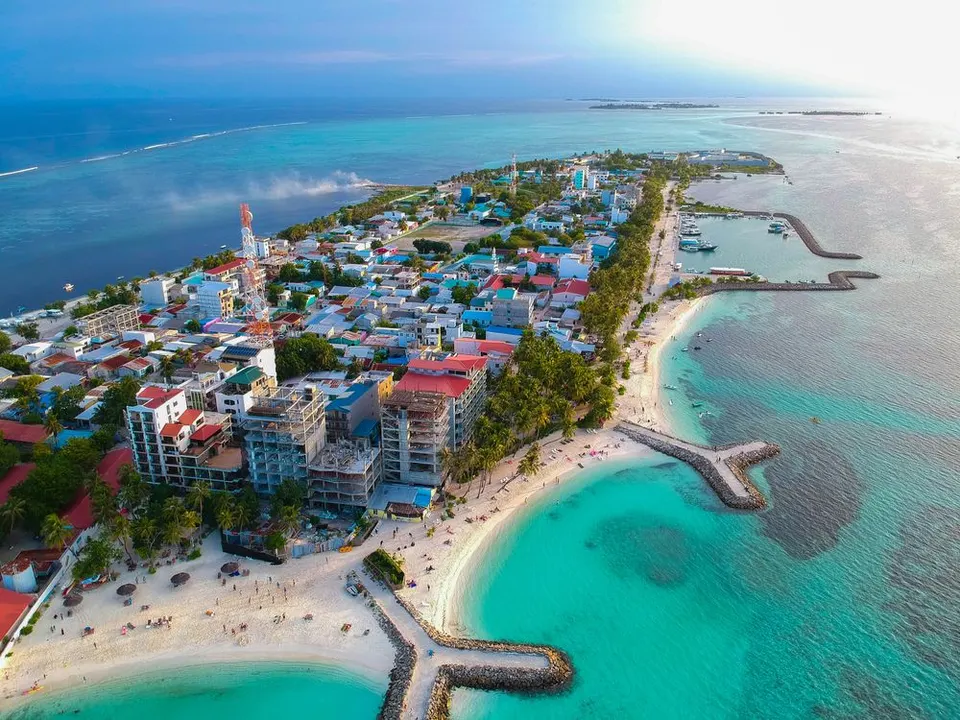
Gan International Airport serves Addu City, the southernmost atoll, which has its own resorts, guesthouses and a distinct history, including the former British air base on Gan. Domestic flights link Gan with Malé, and Gan has also had some international connections. Addu's islands are linked by causeways, so once you arrive you can travel between several of them by road. Fuvahmulah, a single large island to the north of Addu, has its own airport and is known for diving with tiger sharks and other large marine life.
Booking tips
- Book early around holidays. Seats fill up during Eid and school holidays, when many Maldivians travel home.
- Check the airport for your island. Some islands are reached by flying to a nearby airport and then taking a boat; make sure the connection runs on your day.
- Match your name to your ID. Small airlines check documents carefully.
- Allow for delays. Weather and aircraft availability can affect schedules on small networks.
Security and hand luggage
Domestic flights and seaplanes have security screening. The usual restrictions on liquids, sharp objects and dangerous goods apply, and lithium batteries such as power banks must normally go in hand luggage, not checked bags. Diving equipment, spearguns and fishing gear may need special handling; check with the airline in advance.
Safety and comfort
Aviation in the Maldives is regulated by the Maldives Civil Aviation Authority. On seaplanes, cabins can be noisy, and pilots often fly barefoot (a well-known local tradition). Earplugs are usually provided. If you are nervous about small aircraft or prone to motion sickness, ask your resort about speedboat alternatives where they exist.
Tips
- Pack light, and keep essentials in hand luggage.
- Sit on the side the crew suggests for the best views, or ask when boarding.
- Confirm transfer times the day before departure.
- Carry your passport and booking confirmation for every flight.
Common questions
Do seaplanes fly at night?
No. Seaplanes fly in daylight only, because they land on water using visual navigation. If your international flight lands after the last seaplane, you'll usually spend a night near the airport.
How much luggage can I take on a seaplane?
Seaplanes and small domestic aircraft have stricter limits than international flights, including weight limits for checked and hand luggage. Check your allowance with your resort or airline, as excess baggage may be charged or sent on a later flight.
Which is better, a seaplane or a domestic flight plus speedboat?
It depends on the resort. Seaplanes go straight to the resort's lagoon and offer spectacular views. Domestic flights plus a speedboat are often used for more distant atolls and can operate after dark. Your resort will tell you which transfer it uses.
Can I book domestic flights myself?
Yes. Domestic airlines sell tickets for scheduled routes directly. Resort transfers are usually booked through the resort.
Official sources
- Maldives.com: Travelling by domestic flights in the Maldives
- The Edition: Domestic airline operations in the Maldives
- Smart Aviation APAC: Manta Air keen to shake up competition
Last reviewed 13 October 2026. This guide is general information, not legal or financial advice. Rules change, so confirm with the official source before you apply. Report an error
Domestic flightsSeaplaneResort transfers