
Blog
Modern Electrical Systems: Ensuring Safety and Performance

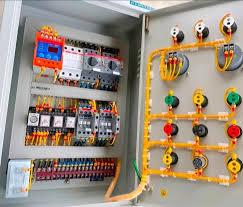
Modern Electrical Systems: Ensuring Safety and Performance Through Professional Audits
In the span of a single generation, the electrical demands of the average household have undergone a radical transformation. A home built in the 1970s was designed to power a few incandescent lights, a television, and basic kitchen appliances. Today, that same infrastructure is tasked with supporting high-speed computing networks, sophisticated HVAC systems, home automation, and increasingly, the high-amperage requirements of Electric Vehicle (EV) charging stations. The electrical system is the “nervous system” of the home, providing the energy required for every modern convenience. However, because much of this system is hidden behind drywall and inside conduits, it is frequently the most neglected aspect of home maintenance. Understanding the technical evolution of residential electricity and the critical importance of professional audits is essential for preventing fires, protecting sensitive electronics, and ensuring long-term structural safety.
The Anatomy of the Residential Electrical Grid
A home’s electrical system is a hierarchical network designed to distribute power safely from the municipal utility to individual points of use. This begins at the **Service Entrance**, where power lines connect to the electric meter. From there, the electricity travels to the **Main Service Panel** (the “breaker box”). This panel is the brain of the system, responsible for dividing the main power supply into individual branch circuits. Each circuit is protected by a breaker designed to “trip” or shut off if the current (amperage) exceeds the wire’s capacity. This prevents the wires from overheating and causing a structural fire. Understanding the capacity of this panel—measured in Amps—is the first step in assessing a home’s electrical health.
The Evolution of Load Capacity: Why 60 Amps is No Longer Enough
Many older homes were originally equipped with 60-amp or 100-amp service panels. In the modern era, these are often insufficient and potentially dangerous. A single EV Level 2 charger can pull 40 to 50 amps on its own, which would consume nearly the entire capacity of an older system. When a panel is overloaded, it doesn’t always trip immediately; instead, it can run “hot,” leading to the degradation of wire insulation and the oxidation of terminal connections. Modern electrical standards now recommend a minimum of **200-amp service** for new constructions and major renovations. Upgrading the panel is not just about adding more outlets; it is about ensuring the “bus bars” and main lugs can handle the thermal stress of modern life.
Circuit Protection: The Shift from Fuses to Smart Breakers
While many historic homes still utilize fuse boxes, these systems are considered obsolete by modern engineering standards. Fuses work by melting a metal filament when overloaded, which is an effective but “one-time-use” safety mechanism. The danger arises when homeowners replace a blown fuse with one of a higher amperage rating—a practice that allows the wire to carry more current than it can safely handle, leading to hidden electrical fires. Modern **Magnetic-Hydraulic Breakers** are far more precise. Furthermore, the industry is moving toward “Smart Breakers” that can monitor energy consumption in real-time and alert homeowners via smartphone if a specific appliance is beginning to fail or drawing unusual amounts of power.
Life-Saving Innovations: GFCI and AFCI Protection
The National Electrical Code (NEC) has introduced two critical safety devices that have drastically reduced residential electrical accidents: GFCI and AFCI.
- GFCI (Ground Fault Circuit Interrupter): Designed to protect humans from electrocution. A GFCI monitors the balance of current between the “hot” and “neutral” wires. If it detects a leakage of even 5 milliamperes—indicating that electricity is flowing through a person or water—it shuts off in less than a 40th of a second. These are mandatory in “wet” areas like kitchens, bathrooms, and garages.
- AFCI (Arc Fault Circuit Interrupter): Designed to protect the structure from fires. An arc fault occurs when electricity “jumps” across a gap—usually caused by a frayed wire, a loose connection, or a nail driven through a wall. These arcs generate intense heat but often don’t pull enough amperage to trip a standard breaker. An AFCI uses advanced digital “signature” detection to identify the specific waveform of an arc and shut down the circuit before a fire starts.
The Danger of Legacy Wiring: Aluminum and Knob-and-Tube
A professional electrical audit often reveals historical wiring methods that pose significant risks. **Knob-and-Tube (K&T)** wiring, common until the 1940s, lacks a ground wire and uses rubber insulation that becomes brittle and flakes off over time. Even more concerning is **Aluminum Wiring**, used briefly in the late 1960s and early 1970s due to high copper prices. Aluminum expands and contracts at a different rate than the brass and copper terminals it connects to, leading to “loose” connections that cause arcing and fires. A professional audit can identify these materials and recommend remediation, such as “Copalum” crimping or a full copper re-wire, which is often required for modern insurance eligibility.
Warning Signs of Electrical Distress
Homeowners should be vigilant for “symptoms” of a failing electrical system. These are not merely inconveniences; they are diagnostic indicators of potential catastrophe:
- Flickering or Dimming Lights: Often indicates a loose neutral connection or a circuit that is overloaded by a large appliance (like a refrigerator) kicking on.
- Warm Switch Plates or Outlets: Indicates that electricity is meeting resistance, causing heat buildup behind the wall.
- Persistent Burning Smells: The “ozone” or “burning plastic” smell is a critical emergency, indicating that insulation is currently melting.
- Sparking: Any visible blue spark when plugging in an appliance suggests a worn-out outlet or a loose connection.
- Frequent Breaker Trips: A sign that the circuit is being asked to do more than its engineered capacity.
The Critical Role of Grounding and Bonding
Grounding is the “path of least resistance” for stray electricity. If a wire short-circuits to the metal frame of a washing machine, a properly grounded system will funnel that electricity safely into the earth, tripping the breaker. Without a ground, the metal frame becomes “energized,” and the next person to touch it becomes the path to the ground. A professional audit ensures that the home has a dedicated **Grounding Electrode** (usually a copper rod driven 8 feet into the soil) and that the plumbing and gas lines are “bonded” to the electrical system to prevent them from becoming accidentally energized.
Protecting Sensitive Electronics: Whole-House Surge Protection
In the digital age, the “value” of what is plugged into the wall often exceeds the value of the electrical system itself. Power surges can occur from lightning strikes, but more commonly from the utility company switching grid loads or large motors inside the home turning off. These micro-surges gradually degrade the delicate motherboards in “smart” appliances, computers, and televisions. A **Type 2 Whole-House Surge Protector**, installed at the main panel, acts as a gateway that “shunts” excess voltage to the ground before it can enter the home’s branch circuits. This is a critical investment for preserving the lifespan of modern household technology.
The Professional Electrical Audit: What to Expect
A professional electrical audit is a comprehensive technical inspection that goes far beyond a standard home inspection. A licensed electrician will perform:
- Torque Testing: Ensuring all lugs in the main panel are tightened to the manufacturer’s specifications (loose lugs are a primary cause of panel fires).
- Thermal Imaging: Using infrared cameras to detect “hot spots” behind walls or inside the panel that are invisible to the naked eye.
- Continuity and Resistance Testing: Using a multimeter to ensure that wires are not degraded and that the ground path is solid.
- Voltage Drop Analysis: Determining if wires are too long or too thin for the load they carry, which leads to inefficient appliance operation.
DIY Risks and Code Compliance
Electrical work is perhaps the only area of home maintenance where “DIY” should be strictly discouraged for anything beyond changing a lightbulb. Electricity is unforgiving; a single loose wire or an improperly shared neutral can lead to a fire that occurs years after the “repair.” Furthermore, all major electrical work must be permitted and inspected by local authorities to ensure it meets the **National Electrical Code (NEC)**. An unpermitted electrical system can give insurance companies a reason to deny claims in the event of a fire and can complicate the sale of a property during the “due diligence” phase.
Sustainability and Future-Proofing
Modern electrical systems are increasingly being integrated with renewable energy sources. This includes solar PV arrays, battery storage systems (like the Tesla Powerwall), and bi-directional EV charging (where the car can power the house during a blackout). Future-proofing a home involves installing larger conduits and “sub-panels” in garages to accommodate these technologies. A professional audit can provide a roadmap for these upgrades, ensuring the home is ready for the energy transition of the next decade.
Conclusion
The electrical system is a masterpiece of modern engineering that we rely on for every aspect of our lives, yet it remains one of the most hazardous components of a home if neglected. By transitioning from a reactive “fix it when it breaks” mindset to a proactive approach centered on professional audits, homeowners can ensure their property remains a safe haven. Upgrading to 200-amp service, installing AFCI/GFCI protection, and ensuring proper grounding are not merely technical hurdles; they are fundamental acts of property stewardship. In an era of increasing technological complexity, a robust and modern electrical system is the ultimate insurance policy for your family’s safety and your home’s enduring value. Respect the power behind your walls, and it will serve you reliably and safely for a lifetime.