
Blog
Protecting Your Home With Exterior Painting

Protecting Your Home With Exterior Painting: A Comprehensive Technical Analysis
The exterior of a property is its first line of defense against the relentless forces of nature. While many homeowners view exterior painting primarily as a tool for enhancing “curb appeal,” its functional role is far more critical. A professional-grade exterior paint job acts as a protective envelope, shielding the underlying structure from moisture, ultraviolet (UV) radiation, temperature fluctuations, and biological growth. This article explores the sophisticated processes required to execute a high-end exterior painting project that ensures both aesthetic beauty and long-term structural integrity.
The Environmental Challenges to Exterior Surfaces
To appreciate the necessity of high-quality exterior painting, one must first understand the stressors that building materials face. Wood, stucco, brick, and fiber cement are all susceptible to degradation. UV rays from the sun break down the chemical bonds in many materials, leading to “chalking” and color fading. Moisture, in the form of rain, snow, and humidity, can penetrate porous surfaces, leading to rot in wood and efflorescence in masonry. Furthermore, the constant expansion and contraction of materials due to thermal changes (the freeze-thaw cycle) can cause rigid coatings to crack and peel.
Phase 1: Rigorous Surface Preparation
In the realm of exterior painting, the longevity of the finish is directly proportional to the quality of the preparation. This phase begins with a comprehensive cleaning process, typically involving power washing. However, power washing is an art form in itself; using excessive pressure can damage wood fibers or force water behind siding. A professional approach involves using a low-pressure “soft wash” with specialized fungicidal cleaners to eliminate mold, mildew, and algae at the root.
Once the surfaces are clean and dry, the mechanical preparation begins. This involves scraping away loose or flaking paint and sanding the edges of the remaining paint to create a smooth transition—a process known as “feather sanding.” For wooden elements, any signs of rot must be addressed immediately, either through wood replacement or the application of high-strength epoxy fillers. Finally, all gaps around windows, doors, and trim must be sealed with high-quality, paintable elastomeric caulk to prevent moisture ingress.
The Science of Modern Exterior Coatings
The evolution of paint technology has provided homeowners with highly specialized options. The most common choice for modern residential exteriors is 100% acrylic latex paint. Unlike older oil-based paints, which become brittle over time, acrylic latex remains flexible. This flexibility allows the paint to “breathe” and move with the house as it expands and contracts, significantly reducing the likelihood of cracking.
For specific environments, other coatings may be appropriate. Elastomeric coatings, for instance, are much thicker than standard paint and are designed specifically for stucco and masonry. They can bridge small hairline cracks and provide an almost rubberized waterproof barrier. When choosing a coating, one must also consider the “sheen.” While interior projects often use various sheens, exterior projects typically utilize “Flat” or “Satin” finishes for the main body of the house to hide imperfections, while “Semi-Gloss” is reserved for trim and doors to provide contrast and washability.
The Critical Importance of Priming
Priming is not an optional step in exterior painting; it is the foundation of the entire system. An exterior primer serves three main purposes: it provides a uniform surface for the topcoat to adhere to, it seals porous substrates to prevent uneven absorption, and it blocks stains. In wood species like Cedar or Redwood, “tannin bleed” is a common issue where natural oils seep through the paint, causing brown stains. A high-quality oil-based or specialized acrylic “stain-blocking” primer is required to neutralize these tannins and ensure a clean finish.
Advanced Application Techniques
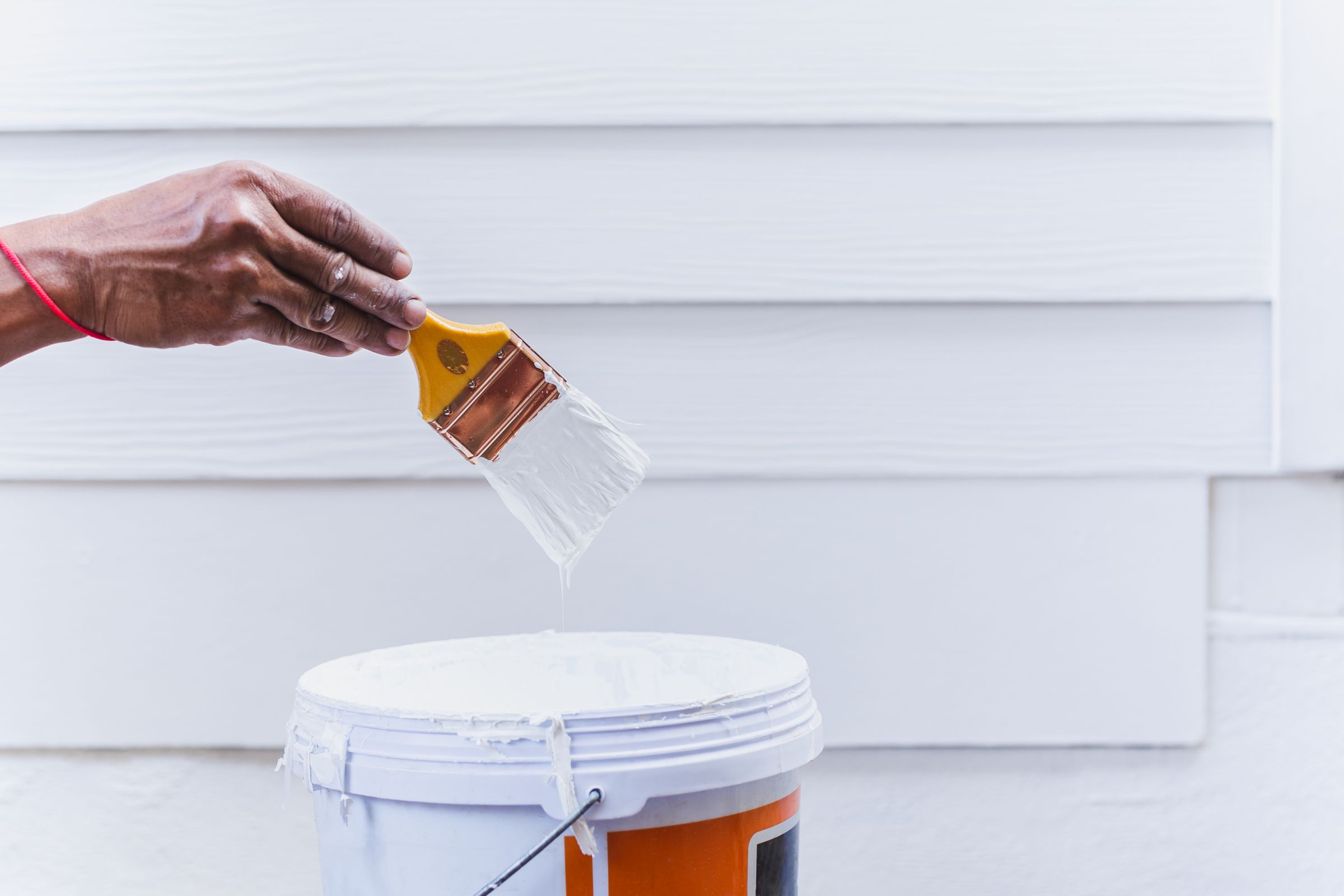
Professional painters utilize three primary methods of application: brushing, rolling, and spraying. Often, a combination of these is used for the best results. High-volume, low-pressure (HVLP) or airless sprayers allow for a fast and even application over large areas. However, professionals often employ a technique called “back-rolling.” This involves one person spraying the paint while another follows immediately with a roller to push the paint into the pores and texture of the surface. This ensures maximum adhesion and a more durable film thickness.
Timing is also a technical factor. Exterior painting should ideally be performed in dry weather with temperatures between 50°F and 85°F. Painting in direct, harsh sunlight can cause the paint to dry too quickly, preventing it from leveling properly and potentially leading to “solvent entrapment” or blistering. Conversely, painting too late in the evening when dew is about to fall can ruin the sheen and interfere with the curing process.
Addressing Specific Substrates
Each material requires a unique approach:
- Wood Siding: Requires careful moisture monitoring. Wood must have a moisture content below 15% before paint is applied to prevent trapping water.
- Stucco and Masonry: These are alkaline surfaces. They require “alkali-resistant” primers to prevent the pH of the substrate from breaking down the paint film.
- Fiber Cement (Hardie Board): While highly durable, it requires specific high-quality acrylics to maintain its factory-warranted longevity.
- Metal Gutters and Trim: Require the removal of oxidation (rust) followed by a DTM (Direct To Metal) coating or a specialized metal primer.
Color Selection and Longevity
The choice of color for an exterior project involves more than just personal preference; it involves physics. Darker colors absorb more thermal energy from the sun. In regions with high UV exposure, dark colors can lead to increased cooling costs for the home and can cause the substrate (especially wood) to warp or the paint to fail prematurely. Lighter colors reflect more UV rays and generally have a longer service life. When selecting colors, it is also vital to consider the “Light Reflectance Value” (LRV) to ensure the coating performs well under local climate conditions.
Safety and Environmental Responsibility
Exterior painting involves significant logistical challenges, particularly regarding safety. Working at heights requires OSHA-compliant ladders, scaffolding, or aerial lifts. Furthermore, for homes built before 1978, lead-based paint is a major concern. Professional contractors follow Lead-Safe Certified practices, which include specialized containment and HEPA-vacuum scraping to ensure that toxic lead dust does not contaminate the surrounding soil or air.
From an environmental perspective, the industry has shifted toward Low-VOC (Volatile Organic Compounds) products. These paints release fewer harmful gases into the atmosphere during the drying process, contributing to better air quality and a smaller ecological footprint.
The Economic Value of Professional Painting
While the upfront cost of a professional exterior paint job is higher than a DIY attempt, the Return on Investment (ROI) is substantial. Real estate experts consistently rank exterior painting as one of the top home improvements for increasing property value. Beyond the immediate market value, a professional job lasts 7 to 10 years, whereas an improperly executed job may fail within 2 to 3 years. By preventing wood rot and moisture damage, a high-quality paint job saves homeowners thousands of dollars in structural repairs.
Post-Project Inspection and Maintenance
A professional project concludes with a detailed walkthrough to ensure “mil thickness” is consistent and all “holidays” (missed spots) are addressed. To maintain the exterior, homeowners should perform a visual inspection annually. Washing the house every two years to remove accumulated salt, dirt, and pollution can extend the life of the paint by several years. Touching up small nicks or cracks as they appear prevents them from turning into major failure points.
Conclusion
Exterior painting is a sophisticated blend of material science, physical labor, and architectural design. It is the most effective way to preserve the structural health of a building while simultaneously expressing the owner’s style. By understanding the importance of surface preparation, the chemistry of modern coatings, and the necessity of professional application techniques, property owners can ensure that their home remains protected and beautiful for a decade or more. Investing in a high-quality exterior finish is not merely an expense—it is a vital act of stewardship for one’s most valuable asset.