
Blog
Innovative Trends In Modern Interior Design

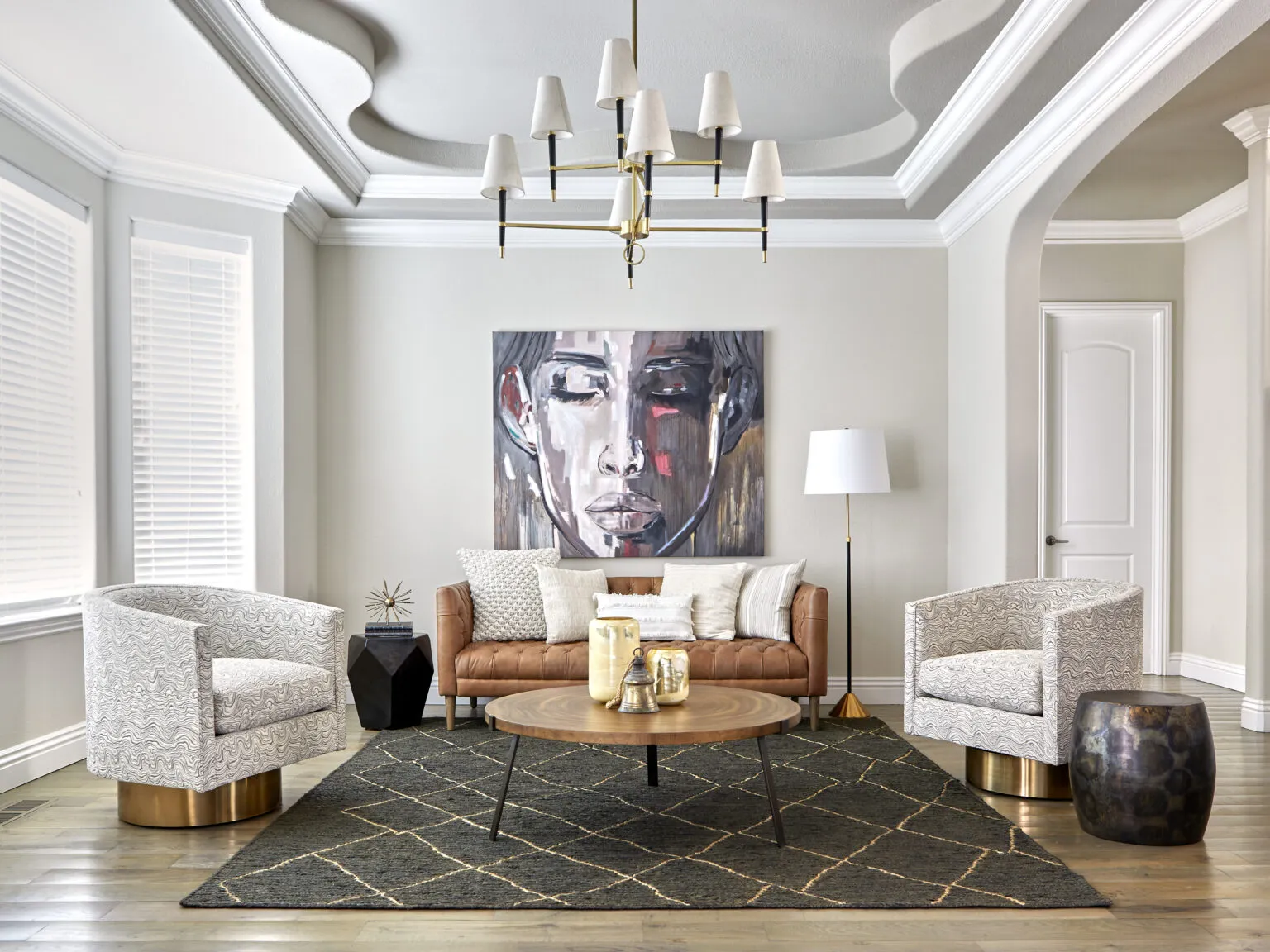
Innovative Trends In Modern Interior Design: The Evolution of Interior Painting
Interior design is an ever-evolving discipline that sits at the intersection of psychology, architecture, and material science. While furniture and layout are critical, it is the application of color and texture through interior painting that provides the “soul” of a space. In the current era, we are witnessing a departure from the sterile, mass-produced aesthetics of the past decade. Today’s trends are defined by a desire for personalization, sustainability, and emotional resonance. From the resurgence of ancient mineral finishes to the integration of air-purifying chemical technologies, modern interior painting has become a sophisticated tool for enhancing human well-being. This article explores the most influential trends shaping interior design today and the professional techniques required to execute them.
The Rise of “Quiet Luxury” and Complex Neutrals
For years, the interior design world was dominated by “Millennial Gray” and stark whites. However, the current trend has shifted toward “Quiet Luxury”—an aesthetic that prioritizes high-quality materials and subtle, complex neutrals. These are not simple off-whites; they are “muddied” tones that incorporate undertones of green, pink, or yellow. Colors like “Greige” (a blend of gray and beige) and “Mushroom” provide a sophisticated backdrop that changes character throughout the day as the sunlight shifts. These colors create a sense of calm and stability, making them ideal for bedrooms and primary living areas. Achieving this look professionally requires an understanding of light reflectance and the ability to choose a sheen—typically matte or eggshell—that allows these subtle hues to glow without creating harsh glare.
Color Drenching: A Monochromatic Revolution
One of the most bold and innovative techniques currently trending is “Color Drenching.” Traditionally, a room is painted with white ceilings and white trim to provide contrast. Color drenching breaks this rule by painting the walls, baseboards, window casings, doors, and even the ceiling in the exact same hue. This technique blurs the boundaries of the room, making small spaces feel larger and more cohesive. It eliminates visual “clutter” and allows the architectural lines of the room to stand out. From a professional standpoint, color drenching requires meticulous preparation and the use of different paint formulas—such as a durable semi-gloss for the trim and a flat finish for the ceiling—while ensuring the color match is mathematically perfect across different substrates.
The Return of Texture: Limewash and Roman Clay
As homeowners move away from flat, “plastic” looking walls, there is a massive resurgence in artisanal, mineral-based finishes. **Limewash** is a finish that dates back to Roman times, made from crushed, fired, and slaked limestone mixed with natural pigments. Unlike standard latex paint, limewash is “breathable” and penetrates the surface, creating a mottled, suede-like texture that feels ancient and organic. Similarly, **Roman Clay** provides a smooth, plaster-like finish with subtle tonal variations. These finishes are highly sought after in “Biophilic Design,” which seeks to connect the indoor environment with the natural world. Applying these finishes is an artisanal skill; they are applied in thin, overlapping “criss-cross” strokes using specialized brushes or trowels to create the characteristic depth and movement.
Biophilic Design and Earthy Palettes
The global shift toward wellness has brought Biophilic Design to the forefront. This trend focuses on bringing the colors and textures of nature into the home. We are seeing a move away from “cool” tones toward “warm” earthy palettes—terracotta reds, sage greens, ochre yellows, and deep forest browns. These colors are scientifically proven to lower cortisol levels and improve mood. In modern interior design, these colors are often used in “zoning”—where a specific color is used to define a functional area, such as a deep green “reading nook” within a larger, neutral living room. This approach allows for bold color expression without overwhelming the entire living space.
The Psychology of “Dopamine Decor”
In contrast to the minimalist movement, “Dopamine Decor” is an emerging trend that encourages the use of vibrant, high-energy colors to elicit joy. Think electric blues, citrus yellows, and candy pinks. This trend is about personal expression and breaking traditional design “rules.” For the professional painter, this often involves the use of high-chroma pigments and specialized “accent walls.” To prevent these bright colors from feeling overwhelming, professionals often utilize “color blocking”—a technique where geometric shapes are painted in contrasting colors to create a mural-like effect that serves as a focal point for the room.
Sustainable and Air-Purifying Paint Technologies
Innovation in modern interior design is not limited to aesthetics; it extends to the very chemistry of the paint. Sustainability is no longer a niche requirement; it is a standard. Consumers are demanding **Zero-VOC** (Volatile Organic Compound) paints that do not “off-gas” harmful chemicals into the home. Beyond just being “safe,” new “functional” paints are emerging. Some modern coatings are designed with **Air-Purifying Technology**, which actually pulls formaldehyde and other pollutants out of the air and traps them within the paint film. Other coatings are infused with **Graphene**, making them incredibly durable and thermally conductive, which can help regulate room temperature and improve energy efficiency.
Metamerism and the Impact of Modern Lighting
The shift in lighting technology—from incandescent bulbs to highly customizable LEDs—has fundamentally changed how we choose paint colors. “Metamerism” is a phenomenon where two color samples appear to match under one light source but look completely different under another. In modern interior design, a professional must consider the “Color Rendering Index” (CRI) and the “Color Temperature” (measured in Kelvins) of the room’s lighting. A gray paint that looks perfect in a showroom can look violet under 3000K (warm) lighting or blue under 5000K (daylight) lighting. Professional designers and painters now use “large-format” samples and test them under different lighting conditions to ensure the color remains true to the design intent.
Statement Ceilings: The “Fifth Wall”
The ceiling is no longer an afterthought. One of the most significant trends in modern interiors is the “Statement Ceiling.” This involves painting the ceiling a contrasting color, applying a high-gloss “lacquer” finish, or even using metallic paints to reflect light downward. A dark-painted ceiling can make a large, cavernous room feel intimate and cozy, while a metallic or high-gloss ceiling can make a low-ceilinged room feel airy and expansive. Executing a high-gloss ceiling is one of the most difficult tasks in the industry, as the surface must be sanded to a mirror-smooth finish, as any minor imperfection will be magnified by the reflection.
Minimalist Maximalism: The Balanced Aesthetic
A new hybrid trend known as “Minimalist Maximalism” is gaining traction. It involves the clean lines and lack of clutter associated with minimalism, combined with the bold colors and rich textures of maximalism. This is often achieved through the use of “monochromatic textures.” For example, a room may be entirely one shade of deep navy, but it utilizes different finishes: matte walls, a high-gloss door, and a velvet-textured accent wall. This creates a space that is visually rich and stimulating but remains organized and calm.
The Role of Professional Finish and Precision
Regardless of the trend, the “human touch” of professional execution remains the most critical factor. Modern trends, particularly those involving high-gloss finishes, dark colors, and complex textures like limewash, leave no room for error. Darker, high-pigment paints are notorious for “burnishing”—showing shiny marks if rubbed—and requiring specific application techniques to avoid “lap marks.” Professionals utilize advanced tools like airless sprayers for seamless finishes and precision taping for the sharp, architectural lines required in color blocking. The move toward more complex designs has elevated the interior painter from a laborer to a technical consultant and artisan.
Conclusion: The Future of Interior Spaces
Interior design in the mid-2020s is characterized by a return to authenticity. Whether it is through the use of ancient limestone finishes that tell a story of geological time, or the application of cutting-edge, air-purifying polymers that protect our health, the focus is on creating environments that are both beautiful and functional. Painting is no longer a secondary consideration in the design process; it is the foundational element that dictates how we feel within our homes. By embracing these innovative trends—from color drenching to biophilic palettes—and ensuring they are executed with professional-grade precision, property owners can transform their interiors into modern sanctuaries that reflect their personal values and enhance their quality of life.
Final Thoughts on the 10-Part Series
Throughout this series, we have explored the vast landscape of painting and finishing—from the structural necessity of waterproofing and crack repair to the aesthetic heights of wood finishing and modern interior trends. The common thread across all these disciplines is the marriage of technical science and human craftsmanship. A home is a complex system of materials that requires constant care and professional expertise to maintain. By understanding the “why” behind the “how,” property owners can make informed decisions that protect their assets, improve their health, and create spaces of enduring beauty. The art of finishing is, ultimately, the art of preservation.