
Blog
Structural Integrity Through Advanced Waterproofing

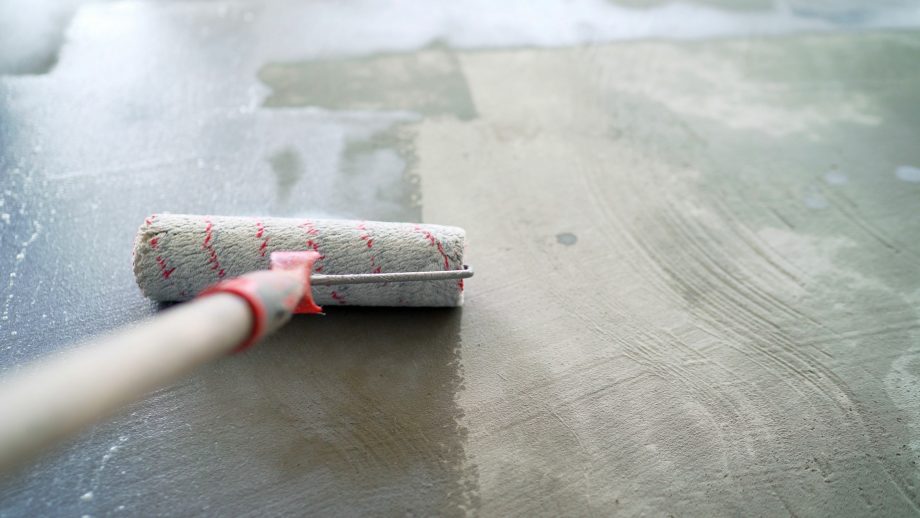
Structural Integrity Through Advanced Waterproofing: A Comprehensive Technical Analysis
Water is often referred to as the universal solvent, and while it is essential for life, it is the primary enemy of structural longevity in the built environment. From the moment a foundation is poured, it is under constant assault from moisture in the form of groundwater, precipitation, and vapor. Without a robust waterproofing strategy, even the most architecturally sound buildings will eventually succumb to degradation. This article delves into the technical complexities of modern waterproofing, exploring the materials, methods, and science behind maintaining a bone-dry interior and a sound structural skeleton.
The Invisible Threat: How Water Damages Structures
The damage caused by water is rarely immediate; rather, it is a slow, insidious process that undermines a building over years. The most common mechanisms of damage include hydrostatic pressure, capillary action, and the freeze-thaw cycle. Hydrostatic pressure occurs when groundwater builds up against a foundation wall, exerting thousands of pounds of force that pushes moisture through microscopic pores in concrete. Capillary action, or “wicking,” allows water to travel upward through porous building materials, reaching areas far above the actual water table.
In colder climates, the freeze-thaw cycle is particularly destructive. When water enters a crack and freezes, it expands by approximately 9%, exerting massive internal pressure that widens the crack. Over time, this leads to “spalling,” where the surface of the concrete or brick breaks away, exposing the steel reinforcement (rebar) to oxygen and water. This leads to rust, which expands the steel and further shatters the concrete from within—a phenomenon known as “concrete cancer.”
Positive Side vs. Negative Side Waterproofing
In the professional waterproofing industry, the most critical distinction is between positive and negative side applications. Positive side waterproofing involves applying a barrier to the face of the structure that directly contacts the water source (typically the exterior). This is the gold standard in construction because it stops water before it even enters the substrate, protecting both the interior and the structural material itself.
Negative side waterproofing is applied to the interior surface (the side opposite the water pressure). While this is often necessary for remedial work in existing basements where excavation is impossible, it is inherently more challenging. Because the water still enters the wall, the waterproofing material must be able to withstand the pressure trying to push it off the wall. Modern crystalline technologies have revolutionized negative side waterproofing by migrating into the concrete and sealing the pores from the inside out.
The Material Science of Modern Barriers
The choice of waterproofing material depends on the specific demands of the environment. Professionals utilize several categories of high-performance coatings and membranes:
- Liquid-Applied Membranes: These are monolithic coatings, such as polyurethane or polymer-modified bitumen, that are sprayed or rolled onto a surface. Their primary advantage is that they are seamless, eliminating the risk of leaks at joints or laps.
- Sheet Membranes: These include rubberized asphalt or synthetic materials like PVC and TPO. They offer consistent thickness and high puncture resistance, making them ideal for large, flat surfaces and foundations.
- Cementitious Waterproofing: A breathable, rigid coating often used in wet areas like swimming pools and water treatment plants. While durable, it lacks the flexibility to bridge cracks that may develop later.
- Bentonite Clay: This “self-healing” material consists of sodium bentonite sheets. When it contacts water, the clay expands to fifteen times its dry volume, creating an impenetrable gel-like seal around the foundation.
Basement and Foundation Waterproofing Systems
A successful foundation waterproofing strategy is multi-layered. It begins with the application of a primary membrane, followed by a protection board to prevent damage during backfilling. However, a barrier alone is rarely enough; the water must also be managed and diverted. This is where drainage systems, such as French drains or “weeping tiles,” come into play. These perforated pipes are installed at the footing level, surrounded by gravel, to collect groundwater and direct it toward a sump pump or a natural gravity discharge point.
In high-risk areas, a “dimple board” or drainage mat is installed over the waterproofing membrane. This creates a vertical air gap that allows water to fall quickly to the drainage pipe, effectively relieving the hydrostatic pressure against the wall.
The Critical Role of Vapor Barriers
Waterproofing is not only about liquid water; it is also about water vapor. In crawlspaces and under concrete slabs, vapor barriers (usually high-density polyethylene) are essential. Without these, moisture can migrate from the soil into the building in the form of humidity. This creates a breeding ground for mold and mildew, which can compromise the air quality of the entire home and cause wood rot in the floor joists above.
Roof and Balcony Waterproofing
Horizontal surfaces are particularly vulnerable because they must contend with “ponding” water and extreme UV exposure. Flat roofs and balconies require elastomeric membranes that can stretch and contract with the building’s thermal movement. Special attention must be paid to “penetrations”—areas where pipes, vents, or railings break through the membrane. These are the most common points of failure and require specialized flashing and sealant systems to ensure a watertight bond.
Identifying and Remedying Waterproofing Failures
Early detection of waterproofing failure can save a property owner tens of thousands of dollars. Key indicators include a musty odor, visible efflorescence (white, powdery salt deposits on walls), peeling paint, or “bubbling” plaster. In more severe cases, standing water or visible cracks in the foundation will appear.
Remediation often involves “crack injection.” For non-structural leaks, a flexible polyurethane resin is injected into the crack, where it expands to fill the void. For structural cracks that threaten the building’s stability, an epoxy resin is used to “weld” the concrete back together, often supplemented by carbon fiber reinforcement straps to prevent further movement.
The Health and Economic Benefits
The motivation for waterproofing extends beyond structural preservation; it is a matter of public health. Chronic dampness leads to the growth of *Stachybotrys chartarum* (black mold), which is linked to respiratory issues, allergies, and neurological symptoms. By maintaining a dry environment, waterproofing acts as a preventative health measure.
Economically, waterproofing provides one of the highest returns on investment in property management. A dry basement can be finished into living space, effectively increasing the square footage of the home. Furthermore, home inspectors are trained to spot moisture issues; a home with a documented, professional waterproofing system will command a significantly higher price and sell faster than one with a history of leaks.
Sustainability and Eco-Friendly Waterproofing
As the construction industry moves toward “Green Building” standards, waterproofing technology is following suit. Many traditional bituminous products contain high levels of VOCs (Volatile Organic Compounds). Modern alternatives include water-based emulsions and solvent-free polyurethanes that provide superior protection without off-gassing harmful chemicals. Additionally, “Blue Roof” technology and green (vegetated) roofs incorporate waterproofing as part of a system that manages stormwater runoff and improves urban insulation.
Professional Expertise vs. DIY Solutions
While the hardware store shelves are filled with “waterproofing paints,” these are typically temporary fixes for minor dampness. They cannot withstand true hydrostatic pressure or structural shifting. Professional waterproofing requires specialized equipment, such as thermal imaging cameras to locate hidden leaks and heavy machinery for exterior excavation. A professional contractor also provides a warranty, which is vital for long-term peace of mind and property resale value.
Conclusion
Advanced waterproofing is an essential discipline within modern construction that merges physics, chemistry, and engineering. By understanding how water interacts with building materials and employing a multi-faceted defense strategy—encompassing barriers, drainage, and vapor control—property owners can ensure their structures remain safe, healthy, and valuable for generations. In an era of increasing weather volatility, investing in the highest quality waterproofing is not merely a luxury; it is a fundamental necessity for structural survival.