Setting up electricity, water and internet in Malé and Hulhumalé
Who supplies electricity and water, how bills and payments work, apps and online portals, home internet options, tips for keeping bills down and what to check when you move in.
Quick answer
- STELCO supplies electricity in Malé and an expanding number of islands; Fenaka serves many other islands.
- Male' Water and Sewerage Company (MWSC) supplies water, with an online portal that accepts eFaas login.
- Bills can be paid through utility apps and portals, bank apps and mobile payment services.
- Air conditioning is the biggest driver of electricity bills; agree with your landlord whose name the accounts are in.
When you move into a flat in Malé or Hulhumalé, you'll need electricity, water and, almost certainly, home internet. The good news is that utilities are well established in the Greater Malé area and bills can be paid easily through apps. The main things to sort out are whose name the accounts are in, how you'll pay, and how to keep bills under control in a hot climate. This guide explains the basics.
Who supplies what
Electricity: STELCO
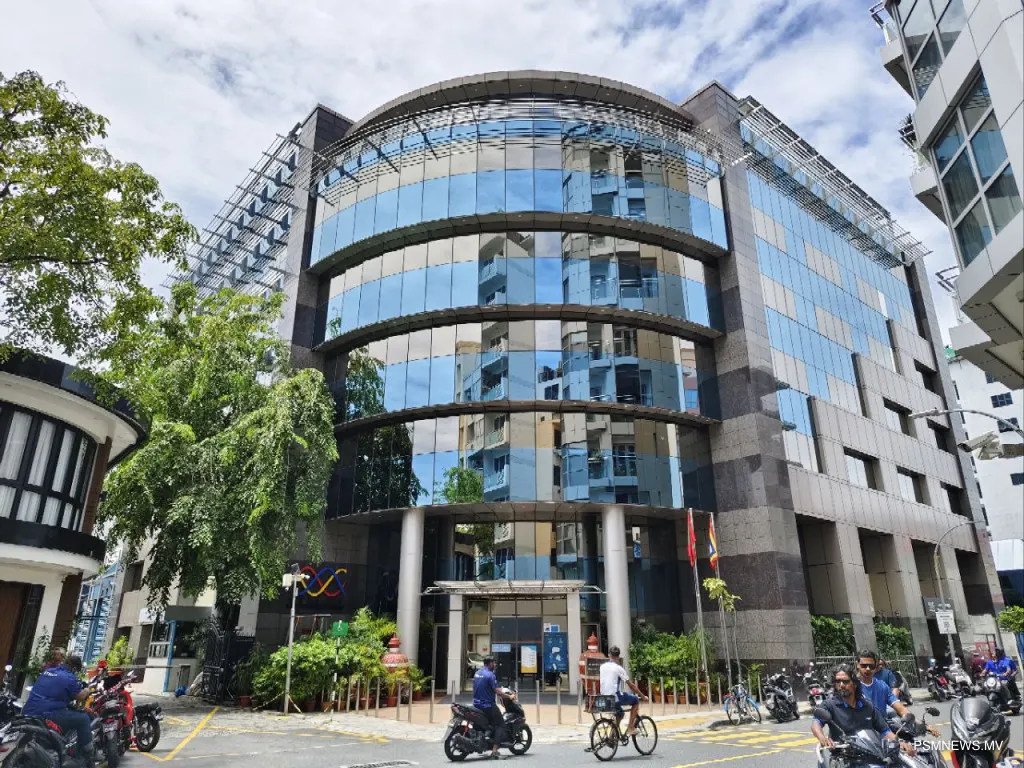
The State Electric Company (STELCO) supplies electricity in Malé and the Greater Malé area. It has been expanding its network by taking over services on other islands from Fenaka; with the addition of Huraa, it now supplies electricity to every inhabited island in Kaafu Atoll. In Hulhumalé Phase 2, homeowners and landowners can apply directly to STELCO for connections.
Water and sewerage: MWSC
Male' Water and Sewerage Company (MWSC) provides water and sewerage services in Malé and other areas. Much of the water comes from desalination.
Other islands: Fenaka
On many islands outside the Greater Malé area, utilities have been provided by Fenaka Corporation, though some islands have moved to STELCO. If you're moving to an island, ask locally which company supplies your area.
Whose name are the accounts in?
For rented flats, utility accounts are often already set up in the landlord's name, and the tenant pays the bills. In other cases, tenants arrange accounts themselves. Before signing your lease:
- agree who holds the accounts and who pays;
- ask to see recent bills to understand typical costs;
- check that there are no unpaid bills on the account; and
- take dated photos of the electricity and water meters on moving day.
If you need to open a new account, contact STELCO or MWSC directly to ask about the documents required (such as ID, a lease and the landlord's consent) and any deposit. MWSC's customer care hotline is 105.
Paying bills
You rarely need to visit an office to pay:
- MWSC's online portal can be accessed with the government's eFaas login. Customers can view active accounts, pay several bills at once and apply for services; smart-meter customers can check usage. MWSC also has a mobile app for viewing and paying bills.
- STELCO has encouraged customers to use its mobile app for bills, and customers who register their phone numbers can receive bills by text message or in the app.
- Mobile payment services, such as Ooredoo's m-Faisaa, can pay STELCO and MWSC bills, and other payment apps list utility payments too.
- Bank apps often allow utility payments.
Pay on time to avoid fines and disconnection. In 2026, MWSC announced a scheme to waive accumulated fines on overdue bills for customers who settle outstanding amounts, with instalment plans available, which shows how fines can build up.
Keeping electricity bills down
In a hot, humid climate, air conditioning is the biggest factor in most households' electricity bills. To keep costs manageable:
- Set the AC a few degrees warmer; each degree makes a difference.
- Use fans when it's not too hot, and close curtains against the afternoon sun.
- Service air conditioners regularly; dirty filters waste electricity and cool poorly.
- Turn off AC in empty rooms and when you go out.
- Check the water heater: many homes have electric heaters; switch them on only when needed.
- Choose efficient appliances when buying.
Water
Tap water in Malé is supplied through the piped network, much of it desalinated. Many residents still use filters or buy bottled water for drinking. Water bills are usually modest compared with electricity, but leaks can add up, so report dripping taps and running toilets to your landlord.
Home internet
Both Dhiraagu and Ooredoo offer home broadband, with fibre available in many buildings in Malé and Hulhumalé. To set it up:
- ask your landlord which provider has fibre in the building;
- compare plans for speed and monthly data;
- apply in a shop or online with your ID (passport and work permit for foreigners); and
- book installation, which can take some days.
See our guide to SIM cards and internet.
Gas
Many homes cook with bottled gas (LPG cylinders), delivered by suppliers. Ask your landlord how gas is supplied in your building, and make sure cylinders are stored and connected safely.
Power cuts
Power cuts are relatively uncommon in Malé but can happen, particularly during maintenance or storms. On smaller islands, outages can be more frequent. Keep a torch and a charged power bank, and consider a surge protector for expensive electronics.
Smart meters
Some homes have smart meters, which let customers check usage and meter readings online rather than waiting for a bill. MWSC's portal, for example, lets smart-meter customers see their usage. If your flat has one, checking your consumption regularly is an easy way to spot leaks or appliances using more power than expected.
Living on other islands
If you're moving to an island outside the Greater Malé area, utilities work differently. Electricity may be supplied by Fenaka or, increasingly, STELCO, and water may come from desalination plants, rainwater harvesting or groundwater, depending on the island. Ask your employer or landlord who supplies your home, how bills are paid, and how reliable supplies are. Resorts provide utilities for staff living on the property.
Problems and who to call
- Power cut affecting the whole building or street: contact the electricity provider.
- Power cut in your flat only: check your fuse box or breaker first, then contact your landlord.
- No water or low pressure: check whether neighbours are affected, then contact MWSC (hotline 105) or your landlord.
- Leaks, broken taps or water heaters: usually the landlord's responsibility; report them in writing.
- Internet down: contact your provider's customer service.
- Billing disputes: contact the provider with your account number and meter readings.
Moving-in checklist for utilities
- Meter readings photographed and shared with the landlord.
- Agreement on whose name the accounts are in and who pays.
- Confirmation that no previous bills are outstanding.
- Apps or portals set up for paying bills.
- Air conditioners checked and serviced.
- Water heater and taps tested.
- Internet installation booked.
- Gas supply arranged, if used.
Moving out
Take final meter readings, pay the last bills and keep the receipts. If accounts are in your name, ask the provider to close or transfer them. Settling utilities properly helps you get your deposit back. See our guide to renting in Malé and Hulhumalé.
Budgeting
Utilities, especially electricity, can be a significant monthly cost, varying with the size of your flat, the number of air conditioners and your habits. Ask colleagues or your landlord for typical figures for similar homes, and include them in your budget alongside rent. For more on the first month's costs, see our moving checklist.
Common questions
Who supplies electricity in Malé?
STELCO (State Electric Company) supplies electricity in Malé. It has also taken over services on more islands, and now supplies every inhabited island in Kaafu Atoll. Fenaka serves many other islands.
How do I pay my water bill?
Through MWSC's online portal (which supports eFaas login) or app, through bank apps, or through mobile payment services such as Ooredoo's m-Faisaa. MWSC's customer care hotline is 105.
Should the utility accounts be in my name or my landlord's?
It varies. Many tenants pay bills on accounts in the landlord's name. Agree this in your lease, take meter readings when you move in, and keep payment records.
Why is my electricity bill so high?
Air conditioning is usually the biggest factor in the Maldivian climate, followed by water heaters, fridges and other appliances. Setting the AC a little warmer and servicing it regularly helps.
Is tap water safe to drink in Malé?
Malé's piped water is largely desalinated and treated, but many residents use a filter or buy bottled water for drinking. Follow local advice for your building.
How long does home internet installation take?
It depends on the provider and whether fibre is already available in your building. Ask the provider for an installation date when you apply, and book early if you work from home.
Official sources
- The Standard: STELCO takes over services in K. Huraa
- The Standard: MWSC introduces payment relief for customers
- Maldives Independent: Ooredoo m-Faisaa bill payments
- PSM News: Utility services in Hulhumalé Phase II
Last reviewed 23 October 2026. This guide is general information, not legal or financial advice. Rules change, so confirm with the official source before you apply. Report an error
Related guides

From our network
TaskMV
ID-verified electricians, plumbers, cleaners and more in the Maldives, at a fair, upfront price.
Find help with TaskMV ↗taskmv.com is run by the same team as HandyMaldives.