Laws and customs in the Maldives every foreigner should know
Alcohol and pork, what you can't bring in, dress codes on local islands and in Malé, religion, Ramadan, drugs, photography and everyday etiquette, explained simply.
Quick answer
- Alcohol and pork are available only at resorts and licensed tourist facilities, not on local islands or in Malé.
- You cannot bring alcohol, pork products, pornography, idols for worship or narcotics into the country.
- On local islands, dress modestly: cover shoulders and knees, and wear swimwear only on designated beaches.
- Public practice of religions other than Islam is not allowed, and drug laws are strict.
The Maldives is a welcoming country, and millions of visitors enjoy it every year without any trouble. But it is also a Muslim country where Islamic principles shape the law, and some rules surprise first-time visitors and new residents. Understanding them avoids embarrassment, fines or worse, and shows respect for the people whose home you are visiting. This guide covers the essentials.
Resorts and local islands: two different worlds
The key to understanding the Maldives is the difference between resort islands and inhabited (local) islands, including Malé:
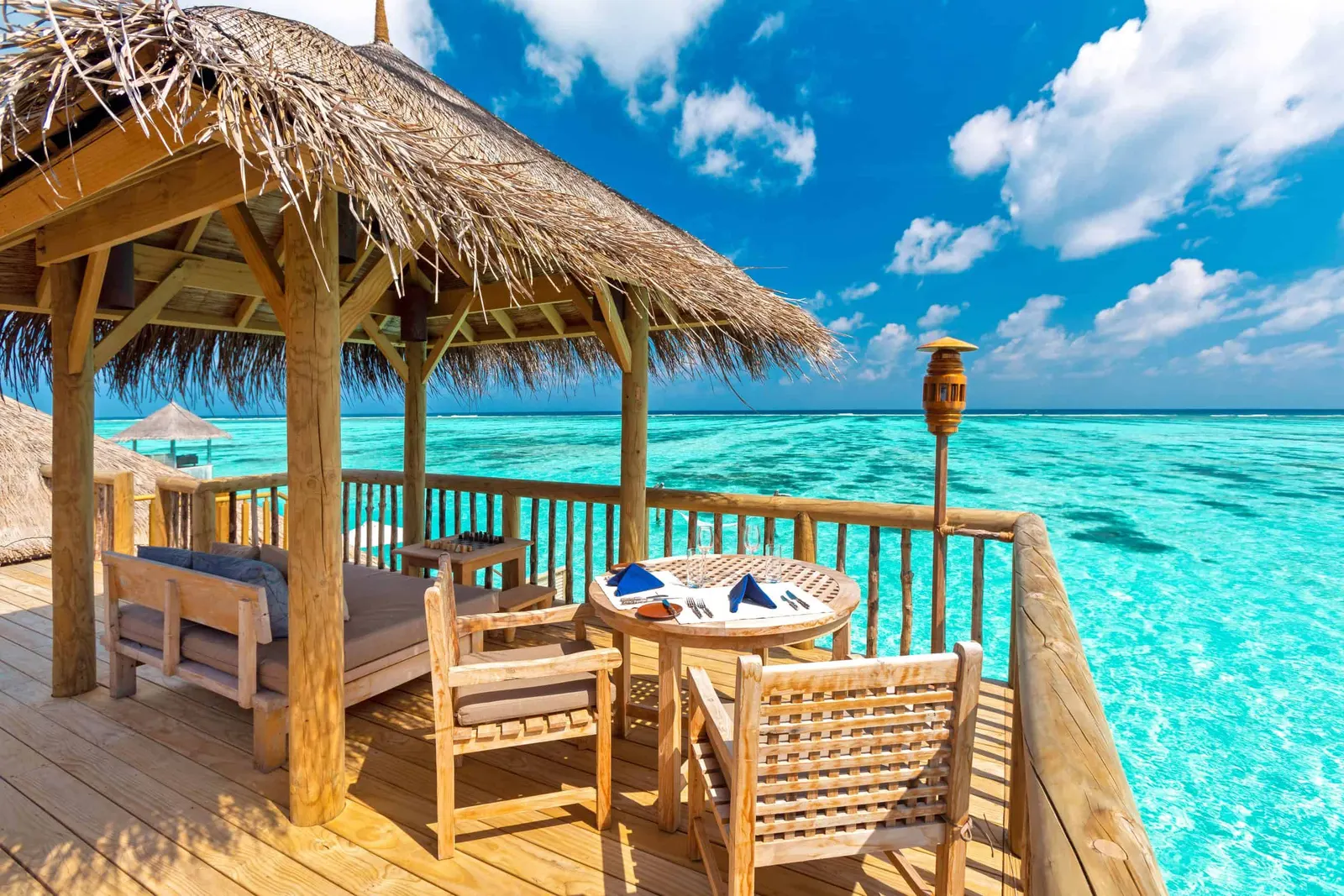
- Resorts are self-contained tourist islands where alcohol is served, swimwear is normal and dress codes are relaxed.
- Local islands are where Maldivians live. Local laws and customs apply fully: no alcohol, modest dress, and respect for religious practices.
Since guesthouse tourism grew, many visitors now stay on local islands, so these rules matter more than ever.
Alcohol
Alcohol is only available at resorts, licensed tourist hotels (including some airport hotels) and liveaboard boats. It is not sold or allowed on inhabited islands or in Malé. Possessing or drinking alcohol, or being intoxicated, outside licensed tourist areas can lead to arrest and deportation.
You cannot bring alcohol into the country. Customs confiscates it at the airport (travellers report it being returned on departure). Duty-free alcohol bought on the way should be left on the plane or declared.
Pork
Like alcohol, pork is available at resorts but not on local islands or in Malé, and you cannot import pork products.
What you can't bring into the Maldives
- alcohol;
- pork and pork products;
- pornographic material;
- idols or religious statues for worship, and non-Islamic religious material in quantities suggesting distribution;
- narcotics and illegal drugs; and
- other items considered contrary to Islam.
Small amounts of religious material for personal use are generally tolerated. If unsure, check with customs or leave it at home.
Dress codes
On local islands
Away from designated tourist beaches, both men and women should cover shoulders and knees. Loose, lightweight clothing such as T-shirts, long shorts below the knee, trousers, skirts and dresses is comfortable and appropriate.
Bikini beaches
Many guesthouse islands have designated tourist beaches, often called "bikini beaches", where swimwear is allowed. They are usually screened from the village. Swimwear outside these areas is not allowed.
Malé
Malé is the capital and a working city. Some visitors find it slightly more relaxed than smaller islands, but dressing conservatively is the safer and more respectful choice.
Resorts
Resorts are relaxed, and normal beachwear is fine. However, nude and topless sunbathing are prohibited everywhere, including at resorts.
Religion
Islam is the state religion, and Maldivian citizens are Muslim. For foreigners:
- Private worship in your home or hotel room is generally accepted.
- Public observance of religions other than Islam is not permitted.
- Inviting or encouraging Maldivians to take part in other religious practices is illegal and can lead to jail, fines or deportation.
- Criticising Islam publicly, including online, can lead to serious legal consequences.
Ramadan
During the holy month of Ramadan, Muslims fast from dawn to sunset. Outside resorts:
- Don't eat, drink or smoke in public during daylight hours.
- Many cafés and restaurants on local islands close during the day and open in the evening.
- Guesthouses still serve meals to their guests, discreetly.
- Working hours often change, and government offices and businesses may keep shorter hours.
Ramadan follows the Islamic lunar calendar, so it moves about 11 days earlier each year. Check the dates before you travel.
Prayer times and Fridays
Many shops and offices close briefly for prayers, five times a day. Friday is the main day of prayer and the weekly holiday; many businesses close or open only in the afternoon, and most inter-island ferries don't run.
Drugs
The Maldives has strict drug laws. Possession of even small amounts of illegal drugs, including cannabis, can lead to arrest and long prison sentences. Carry prescription medicines in their original packaging with a copy of your prescription, and check whether any of your medicines are controlled.
LGBT travellers
Same-sex relations are illegal in the Maldives and can lead to prison sentences, fines or deportation. Many LGBT travellers visit resorts without problems, as resorts are generally discreet, but public displays of affection can draw attention and are best avoided on local islands. Read your government's travel advice before travelling.
Public behaviour
- Public displays of affection, such as kissing, should be avoided on local islands.
- Photography: ask before photographing people, especially women and children. Don't photograph government buildings or security installations.
- Drones: drone use is regulated; check the rules and get permission where required.
- Environment: it is illegal to take coral, shells and certain marine products. Don't touch or stand on coral, and never buy turtle shell products.
Everyday etiquette
- Greet people politely; a smile goes a long way.
- Use your right hand to give and receive things.
- Remove your shoes when entering homes and mosques.
- Non-Muslims may visit some mosques at permitted times, dressed modestly; ask first.
- Be patient: "island time" is real.
Public holidays and Eid
The main celebrations are the two Eids: Eid al-Fitr at the end of Ramadan and Eid al-Adha about two months later. During Eid holidays, government offices and many businesses close for several days, transport is busy as people travel home to their islands, and festivities take place across the country. National Day, Independence Day (26 July) and other holidays also bring closures. If you need government services or plan to travel around a holiday, plan ahead.
Women travellers
Many women travel and work in the Maldives without problems, and it is generally considered a safe destination. On local islands, modest dress helps you blend in and avoids unwanted attention. Use the same common-sense precautions you would anywhere: be careful when walking alone late at night in unfamiliar areas, use registered taxis, and choose reputable guesthouses and excursion operators with good reviews.
What happens if you break the rules?
Consequences range from a warning or fine to arrest, prosecution and deportation, depending on the offence. Drug offences and offences involving religion are treated particularly seriously. If you are arrested, ask to contact your embassy or consulate. For minor breaches of dress codes on local islands, you are more likely to be politely asked to cover up, but repeated or deliberate disregard for local rules can lead to problems for both you and your guesthouse.
For residents
If you live in the Maldives, these rules apply every day, not just on holiday. Respecting local customs helps you build good relationships with neighbours and colleagues. Be particularly careful on social media: posts that criticise religion or the state can have legal consequences.
Visiting a local island from a resort
Many resorts offer excursions to nearby local islands. Even if you're only visiting for an hour or two, local rules apply: change out of swimwear into clothes covering shoulders and knees, leave alcohol behind, and ask before taking photos of people. Islanders are generally welcoming, and buying a drink or souvenir from a local shop is appreciated.
Quick summary
- Alcohol and pork: resorts only. Don't bring them in.
- Local islands: cover shoulders and knees; swimwear on bikini beaches only.
- No nude or topless sunbathing anywhere.
- Private worship only; no religious activity involving Maldivians.
- Ramadan: no eating, drinking or smoking in public by day outside resorts.
- Zero tolerance on drugs.
Laws and enforcement can change, so check your government's latest travel advice before your trip.
Common questions
Can I drink alcohol in the Maldives?
Yes, but only at resorts, licensed tourist hotels and liveaboard boats. Alcohol is not available on inhabited local islands or in Malé, and possessing or drinking it there can lead to arrest and deportation.
Can I wear a bikini in the Maldives?
Yes at resorts and on designated tourist ('bikini') beaches on local islands. Elsewhere on local islands, and in Malé, dress modestly, covering shoulders and knees. Nude or topless sunbathing is not allowed anywhere, including resorts.
Can I bring a Bible or other religious book?
Small amounts of religious material for personal use are generally tolerated, but importing items for worship or in quantities that suggest distribution is prohibited. Don't share religious material with Maldivians.
Is the Maldives safe for LGBT travellers?
Same-sex relations are illegal under Maldivian law. Resorts are generally discreet and welcoming, but public displays of affection can attract attention. Read your government's travel advice before you go.
Official sources
- UK Foreign Travel Advice: Maldives local laws and customs
- Expat.com: Lifestyle in the Maldives
- U.S. State Department: International Religious Freedom Report, Maldives
Last reviewed 13 October 2026. This guide is general information, not legal or financial advice. Rules change, so confirm with the official source before you apply. Report an error