Renting a flat in Malé or Hulhumalé: what expats need to know
Where to live, what affects rent, deposits and advance payments, rent in dollars versus rufiyaa, what to check in a lease, and how to avoid common problems.
Quick answer
- Hulhumalé generally offers newer, more spacious flats than central Malé, often at lower rents.
- Landlords commonly ask for a deposit or advance of several months' rent; this is often negotiable.
- Foreign currency transactions outside permitted categories can be fined, so ask for rent in rufiyaa.
- Get a written lease, record the flat's condition when you move in, and pay by bank transfer.
Finding a home is one of the first big tasks after moving to the Maldives. Space in the Greater Malé area is limited, demand is high, and the rental market works differently from many countries: large advance payments are common, leases are often informal, and the dollar shortage affects how rent is paid. This guide explains where people live, what to expect, and how to protect yourself.
Start with your employer
Before you search, check your employment contract. Many employers of foreign staff, especially resorts, hospitals, schools and larger companies, provide accommodation or a housing allowance. Staff housing removes most of the hassle and risk of renting privately. If you are offered an allowance instead, ask colleagues what similar flats cost so you can judge whether it is enough, ideally before you sign the contract.
Where to live
Malé
The capital is one of the most densely populated cities in the world. Living in Malé puts you close to government offices, businesses, hospitals, shops and ferry terminals, and you can walk or ride a scooter almost everywhere. But flats can be small, older and noisy, with limited natural light, and rents are generally the highest in the country.
Hulhumalé
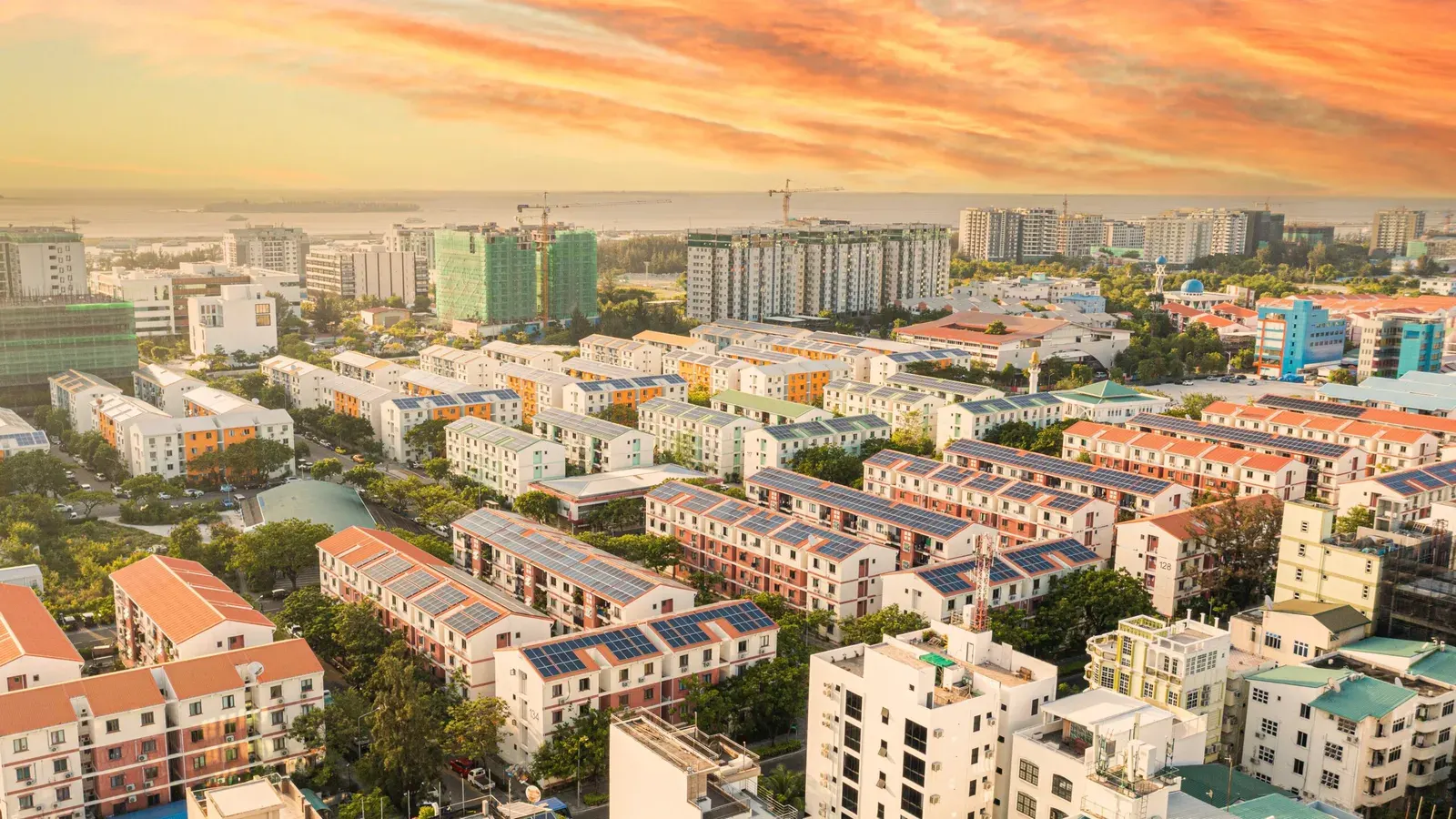
Hulhumalé is a large reclaimed island northeast of the airport, linked to Malé by the Sinamalé Bridge. It has two main areas, Phase 1 and the newer Phase 2, with modern apartment towers, wider streets, parks, a long public beach and a calmer feel. Many expatriate families choose Hulhumalé, and rents are generally lower than in central Malé for comparable space. The trade-off is commuting time to Malé, especially at peak hours.
Villimalé (Villingili)
A small island a short ferry ride from Malé, Villimalé is quieter and greener, with a relaxed island feel. Ferries to Malé run frequently. It suits people who want calm but work in Malé.
Other islands
If you work outside the capital, at a resort, regional hospital or island school, housing is usually arranged through your employer or found locally through colleagues and island councils.
What affects rent?
- Location: central Malé is usually most expensive.
- Size and number of bedrooms.
- Age and quality of the building, including whether there is a lift (many older Malé buildings don't have one).
- Furnishing: furnished flats cost more.
- Floor and light: higher floors with more light and less noise command a premium.
- Air conditioning and appliances.
We don't quote typical rents here because figures published online are often years out of date and the market moves quickly. The best guide is current listings and what colleagues are paying now.
Deposits and advance payments
Large upfront payments are common in the Malé rental market. Expat guides describe landlords asking for deposits or advance rent of up to six months. This is frequently negotiable, particularly for longer leases, if your employer guarantees the lease, or if you can show stable income.
Make sure the lease clearly says:
- how much is a refundable deposit and how much is advance rent;
- when and how the deposit will be returned; and
- what deductions the landlord can make, and for what.
For context on price levels, government-built flats in Hulhumalé Phase 2 had their rents and advance payments reduced in late 2025; these flats are generally allocated to eligible applicants rather than open to the general expat market, but they show that advance payments are a normal feature of housing here.
Rent in rufiyaa, not dollars
Some landlords ask for rent in US dollars. Because of the dollar shortage, foreign currency is valuable and some landlords prefer it. However, the Maldives Monetary Authority restricts transactions in foreign currency outside permitted categories, and rules introduced in October 2024 allow fines from MVR 10,000 up to MVR 1 million for breaches. Ask for the lease and payments to be in rufiyaa, and pay by bank transfer so you have a record.
Finding a flat
- Colleagues and friends: word of mouth is the most common way expats find homes.
- Online listings and local property websites, including those that list rentals in Malé and Hulhumalé.
- Social media groups for expats and property in the Maldives.
- Agents: some agents help with rentals; ask about fees before you start.
View the flat in person, at different times of day if possible, before paying anything.
What to check before you sign
- Water pressure and hot water.
- Air conditioning: does every unit work, and who services it?
- Damp and leaks: check ceilings, corners and around windows.
- Electricity and water meters: are they separate, and who pays the bills?
- Noise: from roads, construction, neighbours or nearby mosques.
- Security: door locks, window grilles and building access.
- Lift and stairs, especially with children or heavy shopping.
- Internet: is fibre available in the building?
The lease
Always get a written lease, even if the landlord is a friend of a friend. It should include:
- the names and contact details of both parties, and the landlord's ID;
- the address and a description of the flat, including furniture and appliances;
- the monthly rent, currency, due date and payment method;
- the deposit and advance payment, and the terms for refund;
- the length of the lease and notice period for ending it;
- who pays utilities and building charges;
- who is responsible for repairs and maintenance; and
- any rules on guests, pets or subletting.
Expat guides note that foreigners have limited practical protection in housing disputes, which is why a clear written lease, and ideally an introduction through someone you trust, matters so much.
Moving in
- Record the condition of the flat with dated photos and videos, and share them with the landlord.
- List the furniture and appliances and note any damage.
- Take meter readings for electricity and water.
- Get receipts for every payment.
Utilities and internet
Electricity and water are billed by the utility providers, and payments can usually be made online or through banking apps. For internet, Dhiraagu and Ooredoo offer home broadband, including fibre in many Malé and Hulhumalé buildings. Ask the landlord which provider the building uses. See our guide to SIM cards and internet.
Sharing a flat or renting a room
Many single expats share a flat or rent a room in a family home to save money. If you do, agree in writing how rent, deposit and bills are split, who is named on the lease, and what happens if one person leaves early. When renting a room from a landlord who lives on site, clarify house rules, access to the kitchen and laundry, and guests. Being clear at the start avoids awkward disputes later.
Common disputes and how to avoid them
- Deposit not returned: prevent this with moving-in photos, a written inventory and a clear refund clause.
- Repairs not done: agree in the lease who fixes what, especially air conditioners and water heaters, and report problems in writing.
- Rent increases mid-lease: fix the rent for the lease term in writing.
- Utility bill surprises: take meter readings at the start and ask to see previous bills.
- Early termination: agree a notice period and what happens to advance rent if either side ends the lease early, which matters if your job ends unexpectedly.
Moving out
Give notice as the lease requires, in writing. Agree a final inspection, take photos, settle the final utility bills and get written confirmation of the deposit refund. Starting this conversation early makes deposit disputes less likely.
Checklist
- Check your contract for housing or a housing allowance.
- Decide on an area: Malé, Hulhumalé or Villimalé.
- View flats in person; check water, AC, damp and noise.
- Negotiate the advance payment.
- Sign a written lease in rufiyaa.
- Pay by bank transfer and keep receipts.
- Record the condition on moving day.
Common questions
How much is rent in Malé?
Rents vary widely by size, building and location, and have risen over the years. Central Malé is generally the most expensive; Hulhumalé and Villimalé are usually cheaper for comparable space. Check current listings and ask colleagues what they pay.
How much deposit do landlords ask for?
Several months' rent is common, and some landlords ask for up to six months in advance. It is often negotiable, especially for longer leases or if your employer is involved.
Can my landlord insist on rent in US dollars?
Some landlords prefer dollars, but the Maldives Monetary Authority's rules restrict foreign currency transactions outside permitted categories, and breaches can be fined. Ask for the lease and payments to be in rufiyaa.
Does my employer have to provide housing?
Not by law in every case, but many employers of foreign staff provide accommodation or a housing allowance. Check your contract before you start looking.
Official sources
- Expat.com: Accommodation in the Maldives
- PSM News: Rent and advance payments reduced for Hulhumalé Phase II flats
- U.S. State Department: 2026 Investment Climate Statement (foreign currency rules)
Last reviewed 13 October 2026. This guide is general information, not legal or financial advice. Rules change, so confirm with the official source before you apply. Report an error