
Blog
Mastering Roof Longevity: A Technical Guide to Inspection, Maintenance, and Repair

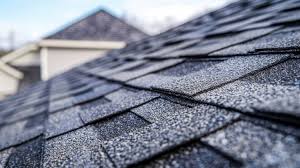
Mastering Roof Longevity: A Technical Guide to Inspection, Maintenance, and Repair
The roof is arguably the most critical component of a home’s defense system. It stands as the first line of defense against the relentless onslaught of weather – sun, rain, wind, snow, and ice. While often taken for granted until a leak appears, a well-maintained roof is essential not only for structural integrity but also for energy efficiency and the prevention of costly secondary damage to the interior of the home. This comprehensive guide delves into the technical aspects of roof inspection, preventative maintenance, and common repair strategies, empowering homeowners to understand and prolong the life of this vital structure.
The Physics of Roof Failure: Understanding the Stressors
A roof is subjected to a constant barrage of environmental forces. The most insidious is **UV radiation** from the sun, which breaks down asphalt shingles, fades colors, and degrades the protective granules that shield the underlying asphalt from further damage. **Temperature fluctuations**, particularly the freeze-thaw cycle in colder climates, cause materials to expand and contract, leading to cracks and compromises in seals. **Wind** can lift shingles, allowing rain to infiltrate, and can also carry debris that can puncture the roof surface. **Rain and snow** introduce moisture, which, if not shed properly, can lead to rot in wooden decking, damage to insulation, and mold growth within the attic space.
Furthermore, internal factors contribute to roof aging. **Poor attic ventilation** traps heat and moisture, accelerating the decay of the roof decking and shingles from the inside. **Improper installation**, such as nails driven too high or too low, or shingles that are not properly sealed, creates immediate vulnerabilities. Even the weight of ice dams in winter can put immense stress on roof edges and gutters, leading to structural damage and leaks.
The Art of Inspection: Proactive Detection is Key
Regular roof inspections are the cornerstone of proactive maintenance. These can be divided into two categories: homeowner inspections and professional inspections.
Homeowner Inspections (Exterior)
From the ground, homeowners can often spot obvious issues. Look for:
- Damaged or Missing Shingles: Cupped, curled, or cracked shingles are a clear sign of wear.
- Granule Loss: If you notice a significant accumulation of granular material in your gutters or downspouts, the shingles are degrading.
- Sagging Areas: Any visible dips or sags in the roofline can indicate underlying structural problems with the decking or rafters.
- Moss and Algae Growth: While not always detrimental, excessive growth can trap moisture and degrade shingles over time.
- Damaged Gutters and Downspouts: Clogged or damaged gutters can lead to water backing up onto the roof and fascia.
Homeowner Inspections (Interior/Attic)
The attic is the roof’s internal diagnostic center. Look for:
- Water Stains or Drips: Any sign of moisture on the rafters or the underside of the roof decking is a critical alert.
- Mold or Mildew: This indicates persistent moisture issues.
- Poor Ventilation: Ensure soffit vents are not blocked and that there is adequate airflow from the soffits to the ridge vent.
- “Black Dots” on Shingle Backs: This can indicate moisture accumulation that’s causing premature shingle failure.
Professional Roof Inspections
While homeowner inspections are valuable, they should be supplemented by annual inspections from qualified roofing professionals. They have the expertise and safety equipment to perform detailed assessments, including:
- Detailed Shingle Condition Analysis: Assessing the structural integrity of each shingle and the integrity of their seals.
- Flashing Integrity: Inspecting the critical metal components around chimneys, vents, skylights, and valleys, which are common leak points.
- Decking Condition: Determining if the wooden underlayment is sound or compromised by rot or moisture.
- Ventilation System Check: Ensuring soffit vents, ridge vents, and any attic fans are functioning correctly to regulate temperature and humidity.
Preventative Maintenance: Extending Roof Life
Regular maintenance is the most cost-effective way to extend the life of your roof. Many homeowners view roofs as “set it and forget it” structures, but this is a costly misconception. Key maintenance tasks include:
- Gutter Cleaning: Remove leaves and debris at least twice a year, more often if you have overhanging trees. Clogged gutters cause water to pool, potentially leading to ice dams and fascia damage.
- Debris Removal: Clear branches, leaves, and other debris from the roof surface that can trap moisture and promote moss growth.
- Trimming Overhanging Branches: Branches can scrape shingles, fall during storms, and block sunlight, hindering drying.
- Checking and Sealing Flashing: Ensure all flashing is securely fastened and that any exposed nail heads or sealant cracks are addressed promptly.
- Maintaining Attic Ventilation: Ensure soffit vents are clear of insulation and obstructions. Proper airflow is crucial for preventing heat buildup and moisture condensation.
Common Roof Repairs and Their Technical Solutions
When minor issues are detected, prompt repair can prevent major problems. Professional repairs focus on addressing the root cause:
Shingle Replacement
Individual damaged or missing shingles are typically replaced. The process involves carefully prying up the shingles above the damaged one, removing the fasteners and sealant, sliding out the old shingle, and installing a new one, ensuring it is properly aligned and sealed. For asphalt shingles, a small dab of roofing cement is often applied under the edges of the overlapping shingles to ensure a watertight seal.
Flashing Repair
Damaged or corroded flashing is a common culprit for leaks, especially around roof penetrations. Repairs may involve re-securing loose flashing, replacing rusted sections, or applying a high-quality roofing sealant designed for metal and asphalt. For more severe damage, the flashing may need to be replaced entirely, often requiring the removal and reinstallation of surrounding shingles to ensure a proper, waterproof tie-in.
Addressing Ice Dams
Ice dams form when heat escapes the attic, melting snow on the roof. The meltwater then refreezes at the colder eaves, creating a barrier that traps more water. This can lead to water backing up under shingles and into the attic and walls. Effective solutions include improving attic insulation and ventilation (to keep the roof deck cold) and, in some cases, installing heated cables along the eaves to create channels for meltwater to escape.
Roof Deck Repair
If the wooden roof decking has rotted due to prolonged moisture exposure, it will need to be replaced. This is a more significant repair that requires removing the existing shingles in the affected area, cutting out the damaged sections of plywood or OSB, and installing new decking. The new decking is then covered with an underlayment (ice and water shield at the eaves and in valleys, followed by synthetic or felt underlayment) before new shingles are installed.
Material Science: Shingle Types and Longevity
The longevity of a roof is heavily dependent on the material used:
- Asphalt Shingles: The most common choice. Standard 3-tab shingles typically last 15-25 years. Architectural (laminate) shingles, which are thicker and have a more complex layered design, offer better wind resistance and can last 25-50 years. High-end architectural shingles with enhanced impact resistance and stronger seals can achieve even greater lifespans.
- Metal Roofing: Standing seam metal roofs (with concealed fasteners) are highly durable, offering lifespans of 50+ years. They are excellent at shedding snow and ice and are highly resistant to wind.
- Wood Shakes and Shingles: Offer a natural aesthetic and can last 20-30 years, but require regular maintenance to prevent moss and rot, and are less fire-resistant than other options.
- Tile and Slate: These premium materials can last 75-100+ years but are significantly heavier and require specialized structural support and installation.
The Cost Factor: Investing in Quality
While the upfront cost of a premium roofing material and professional installation is higher, the long-term value is undeniable. A cheaper roof that needs replacement every 15-20 years will ultimately cost more than a higher-quality roof that lasts 30-50 years. Furthermore, proper maintenance can significantly extend the warranty and lifespan of any roofing material. For example, ensuring your asphalt shingles are never subjected to extreme heat buildup due to poor ventilation can add years to their performance.
When to Consider a Full Roof Replacement
Several indicators suggest a full roof replacement is the most prudent course of action:
- Widespread Shingle Damage: If more than 30% of the shingles show signs of wear, cupping, or granule loss.
- Aging System: If the roof is nearing the end of its expected lifespan and has multiple age-related issues.
- Multiple Leaks: Persistent leaks that cannot be isolated to a specific faulty component.
- Sagging Decking: Extensive rot or structural weakness in the underlying roof deck.
- Previous Improper Repairs: If the roof has been patched numerous times with varying materials, a complete replacement ensures a uniform, warrantable system.
The Professional Advantage
Professional roofers possess the technical knowledge, specialized tools (like magnetic brooms for nail collection), and safety equipment necessary to perform inspections and repairs safely and effectively. They understand the complex interplay of roofing materials, ventilation, and structural components. Critically, they can offer warranties on their work and materials, providing peace of mind and a clear recourse should issues arise. A professional also ensures that repairs or replacements comply with local building codes.
Conclusion
Mastering roof longevity is an ongoing commitment, not a one-time fix. By integrating regular, proactive inspections with diligent preventative maintenance, homeowners can significantly extend the lifespan of their roofing system, prevent costly interior damage, and ensure their home remains a secure and comfortable sanctuary. Understanding the technical challenges—from UV degradation and hydrostatic pressure to ventilation science—allows for informed decision-making, whether it’s a minor repair or a full roof replacement. A well-maintained roof is not just an expense; it is a critical investment in the health, safety, and enduring value of your home.