
Blog
Hulhumalé Property Investment

Is Hulhumalé Property a Good Investment? A Guide for 2024 and Beyond
If you’ve visited the Maldives recently, you’ve seen it—the “City of Hope.” Hulhumalé is a massive reclaimed island that has transformed from a quiet suburb into the real estate heart of the country. With the Sinamale’ Bridge connecting it to Male’ and the airport, it has become the most sought-after location for both living and investing.
But with prices for apartments reaching levels similar to Dubai or Singapore, many people are asking: Is it too late to invest? In this Handy Maldives investment deep-dive, we are going to look at the rental yields, the Phase 1 vs. Phase 2 debate, and whether buying a flat in Hulhumalé is a smart move for your future.
1. The Evolution of Hulhumalé: Phase 1 vs. Phase 2
To understand the investment landscape, you have to understand the two halves of the island.
Phase 1: The Established Hub
This is the “old” part of Hulhumalé. It’s green, it’s developed, and it has all the cafes, schools, and hospitals already running.
- Investment View: Lower risk, stable rental income, but higher entry prices. Most “prime” beachside land is already developed.
Phase 2: The Future Frontier
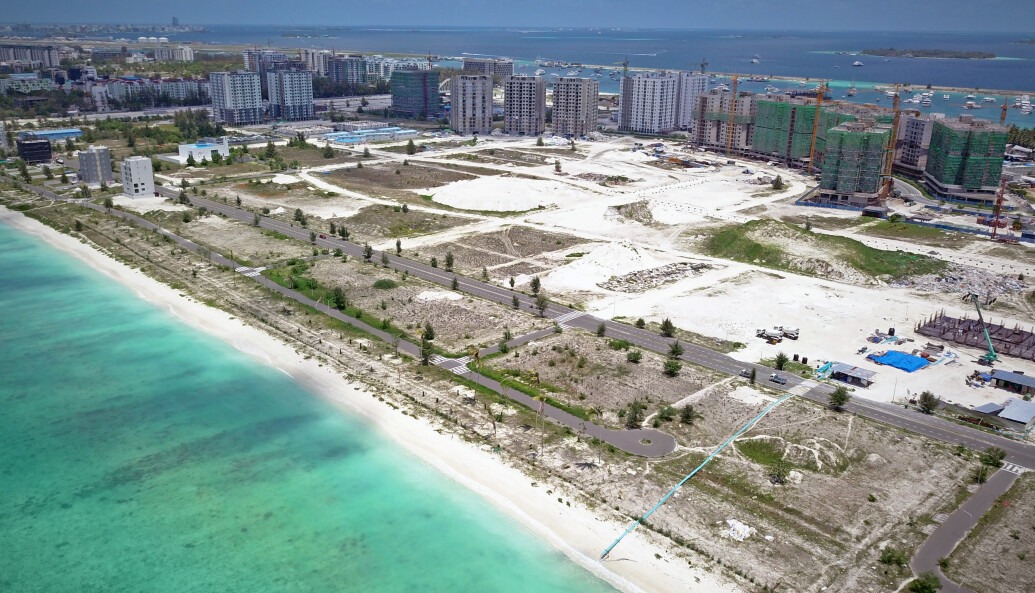
This is the new area characterized by the “Hiyaa” towers and many upcoming luxury apartment complexes. It’s still a bit of a construction zone, but it is where the most growth will happen.
- Investment View: Higher potential for capital appreciation (price increases). It’s perfect for long-term investors who can wait for the infrastructure to catch up.
2. Why People are Investing in Hulhumalé
There are three main reasons why the “Handy” investor is looking at this island:
- High Rental Demand: Male’ is one of the most crowded cities in the world. People are desperate to move to Hulhumalé for the open spaces and better air quality. This means your apartment will rarely stay empty.
- Infrastructure Growth: With the upcoming commercial harbors, new schools, and tourism zones in Phase 2, the land value is almost guaranteed to rise.
- Safety of Asset: In the Maldives, land and property have historically been the safest place to put your money, outperforming even bank fixed deposits.
3. Rental Yields: What Can You Expect?
Let’s talk numbers. In Hulhumalé, a standard 2-bedroom apartment in Phase 1 can rent for anywhere between MVR 18,000 to MVR 25,000 ($1,100 – $1,600) per month. Luxury 3-bedroom apartments can go for over MVR 40,000.
On average, investors are seeing a rental yield of 5% to 7%. While this might seem lower than some stock markets, you also have to account for the property’s value increasing by 5-10% every year. When you add those together, it’s a very healthy return. If you’re planning to run a business out of your property, don’t forget to check our guide on business registration in Maldives to ensure you are legally compliant.
4. The Different Types of Property Investments
- Social Housing (Hiyaa/Vinares): These are usually government-led. While there are restrictions on reselling, the “Vinares” flats have become a popular mid-range investment.
- Luxury Mixed-Use Developments: These are projects by private developers (like Jausa, Ensis, or FW Construction). They often include gyms, pools, and security. These attract high-paying expat tenants and business professionals.
- Commercial Spaces: Investing in a ground-floor shop in Phase 2 is currently one of the “handiest” moves you can make, as the thousands of new residents will need grocery stores, salons, and cafes.
5. Legal Considerations: Can Foreigners Buy?
This is a common question. Currently, land ownership in the Maldives is generally restricted to Maldivian citizens. However, there are long-term leasehold options and specific “Strata Title” laws that are evolving to allow for more foreign participation in luxury developments. Always consult with a local law firm before placing a deposit. You can also read our guide on Maldivian IDs and Passports to understand the residency requirements better.
6. The Risks: What to Watch Out For
No investment is 100% safe. Here is what you should be “handy” about:
- Developer Delays: Many projects in Hulhumalé have faced significant delays. Only invest with developers who have a proven track record of finishing their buildings.
- Maintenance Costs: The salt air in the Maldives is brutal on buildings. Within 5 years, a building can look very old if it isn’t maintained. Check the “Management Fee” before you buy.
- Interest Rates: If you are taking a “Home Loan” from BML or MIB, be aware that interest rates can be high (usually 9% to 11%). Make sure your rental income can cover your monthly bank repayment!
7. Frequently Asked Questions (FAQ)
Should I buy in Phase 1 or Phase 2?
If you want immediate rent to pay off a loan, Phase 1 is better. If you are buying with cash and want to see the price double in 10 years, Phase 2 is the winner.
Is it better than a Guesthouse investment?
A guesthouse is a business that requires your daily time and effort. An apartment is “passive income.” If you are a busy professional, an apartment is better. If you want to work in tourism, a guesthouse is better. See our Travel Cost Guide to see how much tourists spend on rooms!
What is the minimum entry price?
For a decent 2-bedroom apartment in a new development, you are looking at a minimum of MVR 2.5 million to 3.5 million ($160,000 – $220,000).
Conclusion
Hulhumalé is no longer just a “dream”—it is the economic engine of the Maldives. While the entry prices are high, the combination of high demand and limited land makes it a very attractive investment. Do your research, check the developer’s history, and think long-term. Stay “handy” with your finances, and you might just secure your future in paradise!