
Blog
GE Oven Not Heating? Troubleshooting and Repair Guide for Gas & Electric

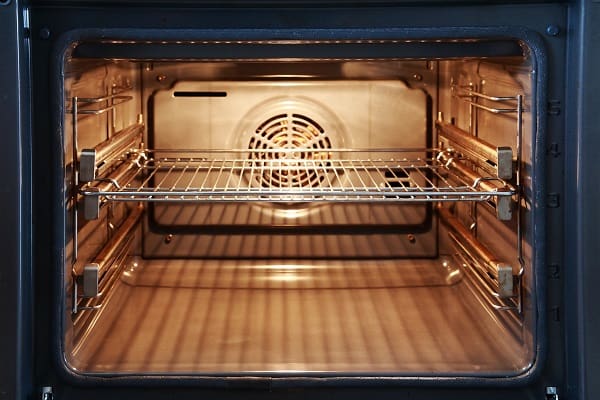
GE Oven Not Heating: Common Causes and Step-by-Step Fixes
There is nothing quite as frustrating as preheating your oven for a meal only to realize thirty minutes later that the inside is still ice cold. A GE oven not heating is a common household issue, but it doesn’t always mean you need to order takeout or buy a brand-new range. Whether you have a gas model or an electric one, the culprit is usually a single faulty component that can be replaced with a few basic tools.
In this comprehensive guide, we will walk you through the diagnostic steps for both gas and electric GE ovens. We will cover the most likely parts to fail—from igniters to bake elements—and provide a clear breakdown of repair costs vs. replacement to help you save money and get your kitchen back in working order.
Safety First: Working with Appliances
Before you begin troubleshooting your GE oven, you must prioritize safety. Ovens use high-voltage electricity and, in some cases, flammable gas. Always follow these precautions:
- Unplug the Oven: For electric ovens, pull the plug or flip the circuit breaker. For gas ovens, unplug the power cord that runs the clock and igniter.
- Shut Off the Gas: If you have a gas range, turn the manual shut-off valve to the “off” position before working on internal components.
- Let it Cool: Ensure the oven and all racks are completely cool to the touch.
Section 1: GE Gas Oven Not Heating
If you have a gas oven and the range burners work but the oven doesn’t, you are likely dealing with one of the following three issues:
1. The Oven Igniter (The #1 Culprit)
The igniter has two jobs: it gets hot enough to glow white-hot, and it draws enough electrical current to open the gas safety valve. Over time, the igniter becomes “weak.” It might still glow, but it won’t draw enough amps to signal the gas valve to open.
The Test: Turn your oven on and watch the igniter (usually located at the bottom). If it glows for more than 90 seconds without a flame appearing, the igniter is faulty. If it doesn’t glow at all, it is definitely dead.
The Fix: Replacing a GE gas oven igniter is a simple DIY task involving removing the bottom panel and unplugging the wire harness. It is a very common repair that can save you a $200 service call.
2. The Gas Safety Valve
If the igniter is drawing the correct amount of power but the oven still won’t light, the safety valve itself may be stuck or defective. This is less common than igniter failure but often happens in older GE models.
3. The Thermal Fuse
Many modern GE gas ranges have a thermal fuse that “trips” if the oven gets too hot. If this fuse blows, the oven will not receive any power to the heating circuit. Unlike a circuit breaker, a thermal fuse cannot be reset; it must be replaced.
Section 2: GE Electric Oven Not Heating
Electric ovens are simpler in design but use high-voltage components. If your electric GE oven is not heating, check these parts:
1. The Bake Element
The bake element is the black loop at the bottom of your oven. When it’s working, it should glow bright red. Over time, these elements can “burn out” or crack.
Visual Inspection: Look for any visible breaks, blisters, or copper-colored spots on the element. If you see a physical break, the element must be replaced. If there are no visual signs, you can test it for “continuity” using a multimeter.
2. The Broil Element
If your oven bakes but won’t broil (or vice versa), the specific element for that function has failed. Interestingly, in many GE “Hidden Bake” models, if one element fails, the other may not work properly either because the control board senses a break in the circuit.
3. The Oven Sensor
The oven sensor is a small thin probe located at the back of the oven. It tells the control board what the temperature is. If the sensor is faulty, the oven may under-heat or not heat at all. If your oven displays an “F3” or “F4” error code, the sensor is likely the problem.
The “F-Code” Troubleshooting Table
GE ovens are excellent at self-diagnosis. If you see a code on the digital display, use this table to identify the part you need:
| Error Code | Meaning | Likely Fix |
|---|---|---|
| F2 | Oven Over-Temperature | Faulty Oven Sensor or Control Board |
| F3 / F4 | Open or Shorted Sensor | Replace Oven Sensor Probe |
| F7 | Shorting Keypad | Replace Touchpad or Control Board |
| F9 / F97 | Door Lock / Latch Issue | Check Motorized Door Lock |
GE Oven Repair Costs vs. Replacement
Ovens are built to last 10-15 years. Before you spend money on a repair, consider the age of your appliance and the cost of parts.
| Part / Service | DIY Part Cost | Professional Repair Total |
|---|---|---|
| Gas Oven Igniter | $30 – $70 | $175 – $250 |
| Electric Bake Element | $25 – $60 | $150 – $225 |
| Oven Temperature Sensor | $20 – $40 | $125 – $200 |
| Main Control Board | $150 – $350 | $400 – $600 |
The Pro-Replacement Tip: If your GE oven needs a new Main Control Board and it is more than 10 years old, we recommend replacing the entire unit. Modern GE Profile or Cafe series ranges offer induction cooking and air-fry features that make an upgrade worth the investment.
Common DIY Fix: Replacing a GE Bake Element
If you have determined that your electric heating element is dead, here is how you fix it in 15 minutes:
- Disconnect Power: This is non-negotiable for electric ovens.
- Remove the Racks: Take everything out of the oven.
- Unscrew the Element: Locate the two screws holding the element to the back wall. Remove them carefully.
- Pull the Element Forward: Pull the element toward you so the wires come through the holes. Tip: Do not let the wires slip back into the hole, or you will have to take the back of the oven off!
- Swap the Wires: Unplug the old element and plug in the new one.
- Reinstall: Screw the new element back into place and restore power.
How to Maintain Your GE Oven
To avoid a GE oven not heating in the future, follow these maintenance tips:
- Avoid the “Self-Clean” Cycle: Many technicians recommend avoiding the high-heat self-clean cycle, as it can burn out the control board or the thermal fuse. Instead, use a steam-clean method or manual scrub.
- Keep the Bottom Clean: Food spills on a bake element can cause “hot spots” that lead to the element snapping or burning out prematurely.
- Check the Door Seal: If the gasket is torn, heat escapes. This causes the oven to run longer and wear out the heating components faster.
Frequently Asked Questions (FAQ)
Why does my GE oven take so long to preheat?
This is often a sign that one of the two heating elements has failed. Most GE electric ovens use both the bake and broil elements to preheat. If one is broken, the other has to do all the work, doubling the preheat time.
Can I use my oven if the igniter is glowing?
If the igniter is glowing but the gas hasn’t lit, you should turn the oven off. While the safety valve should prevent a gas leak, a “weak” igniter can sometimes cause a delayed ignition, which results in a small, scary “poof” of flame when it finally lights.
Is there a reset button on a GE oven?
GE ovens do not have a physical reset button. To reset the electronics, flip the circuit breaker off for 60 seconds and then back on. This will reboot the control board and clear minor software glitches.
Conclusion
A GE oven not heating is usually a straightforward fix involving either an igniter or a heating element. By performing a simple visual inspection and checking for error codes, you can diagnose the problem yourself and save significant money on professional repairs.
Remember that while DIY repair is empowering, safety is the most important factor. If you aren’t comfortable working with gas lines or high-voltage wiring, always call a licensed technician. With regular maintenance and timely repairs, your GE range will continue to be the heart of your kitchen for many years to come.