
Blog
How to Make a Small Apartment Feel Bigger

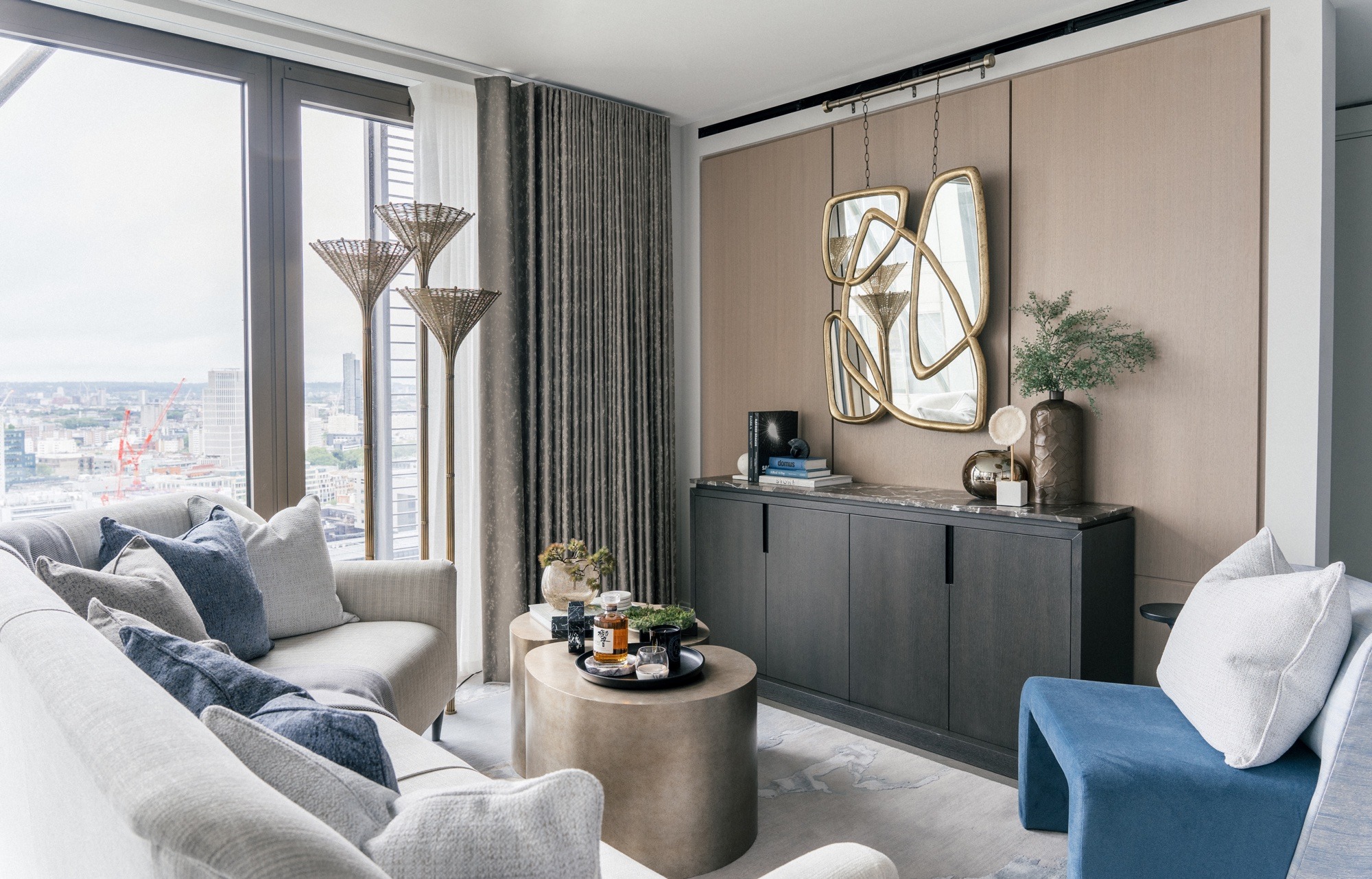
How to Make a Small Apartment Feel Bigger: Smart DIY Ideas for Malé Flats
Living in a compact apartment is a reality for many people in Malé and across the Maldives. With limited land and high population density, most homes prioritize efficiency over size. But a small space doesn’t have to feel cramped, dark, or cluttered.
With the right interior design techniques, you can visually expand your apartment, improve comfort, and create a modern, airy atmosphere — all without expensive renovations. Whether you own your home or rent, these DIY-friendly ideas will help transform your space into something that feels far larger than it actually is.
1. Use Light Colors to Reflect Light
Color has a powerful effect on how large or small a room feels. Dark colors absorb light, making walls seem closer together. Light colors reflect light, creating an open and breathable environment.
Best color choices for small apartments include:
- White and off-white
- Light grey
- Soft beige or sand tones
- Pale blue or sea-inspired shades
- Light pastel green
You don’t need a pure white home to achieve this effect. Warm neutrals feel softer and more welcoming, especially in tropical climates.
DIY Tip: Painting walls, ceilings, and trim in similar tones reduces visual breaks, making the room feel larger and more cohesive.
2. Use Mirrors to Create the Illusion of Depth
Mirrors are one of the easiest and most effective ways to make a room feel bigger. They reflect both natural and artificial light while visually doubling the perceived space.
Strategic placement matters. Position mirrors:
- Opposite windows to bounce daylight across the room
- Behind sofas or dining tables
- In narrow hallways
- On wardrobe doors
A single large mirror usually works better than several small ones, as it creates a continuous sense of depth.
3. Choose Furniture with Visible Legs
Bulky furniture that sits directly on the floor blocks sightlines and makes rooms feel crowded. Pieces with exposed legs allow light to pass underneath, creating a lighter, more open appearance.
Look for:
- Sofas raised off the floor
- Slim coffee tables
- Open-frame chairs
- Wall-mounted TV consoles
If replacing furniture isn’t possible, try rearranging existing pieces to open up the center of the room.
4. Maximize Vertical Space
When floor space is limited, walls become valuable storage real estate. Building upward keeps the ground clear and uncluttered.
Effective vertical storage solutions include:
- Tall shelving units
- Floating shelves
- Wall-mounted cabinets
- Hanging organizers
- Over-door racks
This approach is especially useful in Malé apartments, where every square meter matters.
5. Reduce Clutter with Hidden Storage
Clutter visually shrinks a room faster than anything else. Smart storage solutions keep everyday items out of sight while maintaining functionality.
Consider adding:
- Under-bed storage boxes
- Storage ottomans
- Beds with built-in drawers
- Sofas with storage compartments
- Stackable containers inside wardrobes
A clean, organized room automatically feels more spacious and calming.
6. Improve Lighting with Layered Sources
Lighting dramatically affects how open or confined a space feels. Relying on a single ceiling fixture often creates shadows that make rooms appear smaller.
Layered lighting combines multiple sources to evenly illuminate the space:
- Ceiling lights for general brightness
- Floor lamps for corners
- Table lamps for warmth
- Wall lights to free up floor space
- LED strip lighting for shelves and cabinets
Warm white light typically feels more comfortable for living areas, while neutral white works well in kitchens and workspaces.
7. Use Light, Airy Window Treatments
Heavy curtains block natural light and visually reduce window size. Switching to lighter options instantly makes a room feel brighter.
Better choices include:
- Sheer curtains
- Lightweight fabrics
- Roller blinds
- Minimal drapes
Mount curtain rods closer to the ceiling rather than directly above the window frame. This trick makes ceilings appear higher and windows larger.
8. Invest in Multi-Functional Furniture
Furniture that serves multiple purposes reduces the total number of items in a room, freeing up valuable space.
Practical examples include:
- Sofa beds for guests
- Foldable dining tables
- Nesting coffee tables
- Wall-mounted desks
- Storage benches
This approach is ideal for studio apartments or small family homes.
9. Keep Decor Simple and Intentional
Too many decorative items create visual clutter. Instead of filling every surface, choose a few meaningful pieces that complement each other.
Design guidelines for small spaces:
- Use one large artwork instead of many small frames
- Stick to a cohesive color palette
- Leave some empty space for visual balance
- Avoid overcrowded shelves
Minimalism doesn’t mean boring — it means purposeful design.
10. Add Plants for Freshness and Life
Indoor plants soften harsh lines and make interiors feel lively and welcoming. Tropical climates are ideal for many low-maintenance species.
Great options for apartments include:
- Small tabletop plants
- Hanging plants
- Slim floor plants
- Window herbs
However, avoid overcrowding the room. A few well-placed plants create impact without consuming space.
11. Rearrange Furniture for Better Flow
Sometimes the biggest improvement comes from simply changing the layout. Clear pathways make movement easier and the room feel larger.
Ask yourself:
- Are walkways blocked?
- Can furniture be pushed closer to walls?
- Is corner space underused?
- Are large items positioned in the best location?
Experimenting with different arrangements costs nothing but can dramatically improve comfort.
12. Embrace a Light Island-Style Aesthetic
Maldivian homes naturally suit a relaxed, coastal design style. Light materials and natural textures create an airy atmosphere that complements small spaces.
Consider incorporating:
- Light wood finishes
- Neutral fabrics
- Simple, clean lines
- Ocean-inspired colors
- Natural textures like rattan or woven materials
This style feels calm, modern, and perfectly suited to island living.
Final Thoughts
You don’t need a larger home to enjoy a spacious feeling interior. By using light colors, smart storage, better lighting, and thoughtful furniture choices, even the smallest apartment can feel open, comfortable, and stylish.
Small homes designed well are often easier to maintain, more efficient, and surprisingly cozy. With these DIY-friendly strategies, your Malé apartment can become a place that feels welcoming, functional, and far bigger than its actual size.
Start with one or two improvements, then gradually build toward a complete transformation. The results can be dramatic — without breaking your budget.