
Blog
Guesthouse Business Guide Maldives

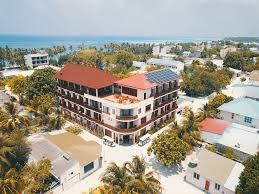
The Ultimate Guesthouse Business Guide in Maldives: Turning Paradise into Profit
Have you ever sat on a white sandy beach in the Maldives and thought, “I wish I could stay here forever and make a living out of it?” Well, you aren’t alone. Since 2010, when the Maldivian government changed the law to allow tourism on inhabited local islands, the guesthouse industry has exploded. What started with a few rooms in Maafushi has grown into a billion-dollar sector with over 900 guesthouses across the country.
In this Handy Maldives guide, we are providing the most comprehensive Guesthouse Business Guide in Maldives available online. We’ll cover everything from legal registration to marketing your rooms on Agoda, and the hidden operational costs that can make or break your dream. If you’re ready to move from being a tourist to a business owner, read on!
1. The Legal Foundation: Can You Actually Own a Guesthouse?
Before you pick out the furniture, you need to understand the legal landscape. In the Maldives, the tourism laws are very specific. If you are a Maldivian citizen, you can own and operate a guesthouse 100%. If you are a foreign investor, the rules are stricter. Usually, foreigners must enter into a partnership with a local or look at specific “Foreign Investment” licenses which require a higher capital deposit.
First Steps: You must have a registered business entity. Whether you choose to be a Sole Proprietor or a Private Limited Company, you must register with the Ministry of Economic Development. Check out our Step-by-Step Guide on Business Registration to get started with your eFaas and portal filings.
2. Choosing the Right Island (Location is Everything)
Not all islands are created equal. Your choice of island will determine your guest type and your price point. In the Maldives, we usually categorize islands into three “zones”:
- Developed Hubs (e.g., Maafushi, Thulusdhoo): These have high foot traffic and established speedboat links. It’s easier to get guests, but the competition is fierce. You’ll need a “Handy” marketing strategy to stand out.
- Niche Islands (e.g., Dhigurah, Ukulhas): These islands have a “USP” (Unique Selling Point) like whale sharks or eco-tourism. You can charge higher room rates here because the “experience” is rarer. Check our Guide to Best Local Islands to see which island fits the brand you want to build.
- Remote Atolls: Cheaper land/rent, but high transport costs for guests. Only choose this if you are planning a “Retreat” style guesthouse where guests stay for 10+ days.
3. The Licensing Maze: Ministry of Tourism Requirements
Once your building is ready, you cannot just open the doors. You need a Guesthouse Operating License from the Ministry of Tourism. They will send an inspector to check your property for “Minimum Standards.” They will look for:
- Room Size: Rooms must meet minimum square footage requirements for ventilation and movement.
- Safety: Fire extinguishers, smoke detectors, and emergency exit plans must be visible in every room.
- Public Decorum: The island council must have a designated “Bikini Beach” for your guests. You cannot allow swimwear in the village area.
- Waste Management: You must have a clear plan for how your guesthouse handles plastic and food waste.
4. Construction and Design: The “Island Chic” Look
In 2024, travelers aren’t looking for a basic hotel room; they are looking for an “Instagrammable” experience. To keep your construction costs down but your quality high, consider these “Handy” tips:
- The Bathroom Experience: In the Maldives, “Open Air” bathrooms with tropical plants are a huge hit. It costs less to build (no roof needed over the shower!) but adds a massive luxury feel.
- Sustainability: Electricity is one of your biggest costs. Investing in solar-powered water heaters and LED lighting will save you thousands of Rufiyaa every month.
- Local Decor: Use local artisans to build your furniture from coconut wood. It supports the community and gives your guesthouse an authentic “Maldivian” soul.
5. Marketing Your Guesthouse (The Secret Sauce)
If you aren’t on Booking.com, Agoda, and Airbnb, you don’t exist. However, these platforms take 15-20% in commissions. To be a “Handy” owner, you need a balance:
- Direct Bookings: Use Instagram to build a following. Offer a “Direct Booking Discount” where guests get a free excursion if they book through your website.
- WhatsApp Communication: Maldivian business runs on WhatsApp. Be ready to answer guest questions instantly. Slow replies = lost bookings.
- The Power of Reviews: One bad review on TripAdvisor can kill your business for a month. Focus on “Personalized Service”—greet every guest at the jetty with a cold drink!
6. Operational Costs and Profit Margins
Let’s talk money. A 10-room guesthouse on a mid-range local island can be very profitable. Here is a rough monthly breakdown for an established property:
| Expense Category | Estimated Monthly Cost (MVR) |
|---|---|
| Staff Salaries (4-5 staff) | MVR 45,000 – 60,000 |
| Electricity & Water | MVR 15,000 – 25,000 |
| Food & Supplies | MVR 20,000 – 35,000 |
| Marketing & OTA Commissions | 15% of Revenue |
The Profit: If you sell your rooms for $80/night with a 70% occupancy rate, you are looking at a gross revenue of about $17,000 (MVR 260,000) per month. After expenses and the 16% TGST tax, your net profit could be around MVR 70,000 to 90,000. This is why guesthouse investment is so popular in the Maldives right now!
7. Frequently Asked Questions (FAQ)
How much does it cost to build a guesthouse?
A basic 8-room guesthouse can cost between $250,000 to $400,000 to build from scratch. If you are leasing an existing building and renovating it, you can start with as little as $60,000. For more on costs, see our Maldives Price Guide.
What taxes do I have to pay?
You must collect 16% TGST from guests and pay it to MIRA. You also have to pay Green Tax ($3 per guest per night) and Corporate Income Tax (15%) if your profits exceed MVR 500,000 per year.
Can I get a loan for this?
Yes, BML (Bank of Maldives) and MIB (Maldives Islamic Bank) have specific “Tourism Loans,” but they usually require you to have the land already or have 30% of the capital ready. Having a solid internet connection is vital to manage the online banking and portal requirements of these loans!
Conclusion
Starting a guesthouse in the Maldives is a marathon, not a sprint. It requires patience with government regulations and a passion for hospitality. But if you get the location right and provide “Handy” service to your guests, you can build a business that provides both a great income and a beautiful lifestyle. Paradise is calling—are you ready to answer?