
Blog
Comprehensive Solutions For Wall Crack Repairs

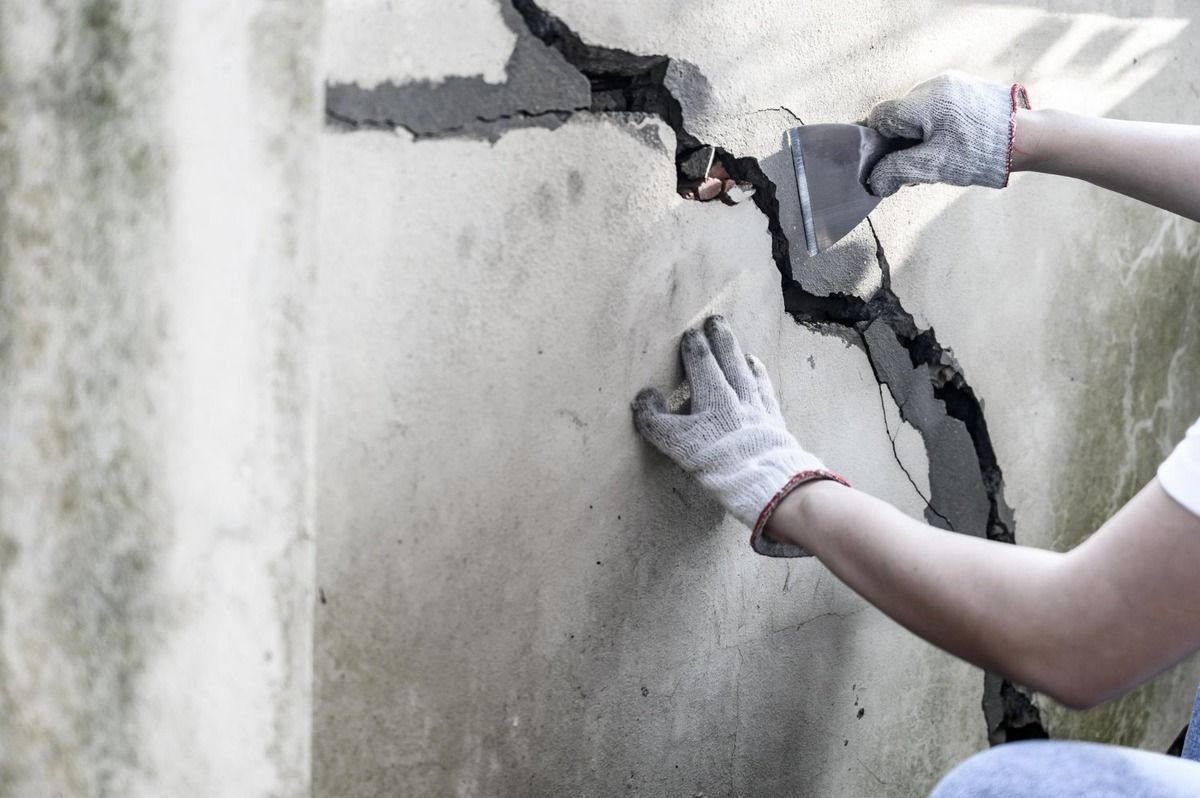
Comprehensive Solutions For Wall Crack Repairs: An Architectural and Engineering Perspective
The appearance of a crack in a wall is often a source of significant anxiety for property owners. Whether it is a thin, hairline fracture in a living room or a jagged, diagonal gap in an exterior foundation wall, these fissures are more than just cosmetic blemishes; they are the language of the building. They communicate stress, movement, and potential structural failure. Understanding the etiology of wall cracks and the precise methods for their remediation is essential for maintaining the safety, value, and aesthetic appeal of any structure. This guide provides a deep dive into the diagnostic and restorative processes involved in professional wall crack repair.
The Categorization of Wall Cracks
Not all cracks are created equal. Before a repair can be initiated, a professional must categorize the crack based on its orientation, width, and location. This categorization determines whether the issue is a minor cosmetic nuisance or a major structural threat.
- Hairline Cracks: Usually less than 1/16th of an inch wide, these are common in new constructions as the building “settles” or as materials like plaster and drywall shrink during the drying process.
- Vertical Cracks: Often found in foundation walls, these are frequently caused by the settling of the concrete. If they are narrow and uniform, they are typically not a structural concern but can lead to water ingress.
- Horizontal Cracks: These are the most alarming. In a basement or retaining wall, a horizontal crack often indicates that the pressure from the soil outside (hydrostatic pressure) is exceeding the strength of the wall, causing it to bow inward.
- Diagonal or “Stair-Step” Cracks: Frequently seen in brickwork or concrete blocks, these cracks follow the mortar joints. They typically indicate differential settlement, where one part of the foundation is sinking faster than another.
Root Causes: Why Walls Crack
A successful repair addresses the cause, not just the symptom. Several environmental and physical factors contribute to wall failure. Thermal expansion and contraction are universal; materials like wood, metal, and concrete expand when heated and contract when cooled, leading to stress fractures over time. Soil conditions also play a massive role. Soils with high clay content are “expansive,” meaning they swell significantly when wet and shrink when dry, creating a “yo-yo” effect on the foundation.
Additionally, poor construction practices—such as improper concrete mixing, inadequate steel reinforcement, or failing to properly compact the soil before pouring a foundation—can lead to premature cracking. Even external factors like large tree roots or heavy seismic activity can compromise the tensile strength of a wall.
Professional Diagnostic Tools
Modern wall crack repair relies on more than just a visual inspection. Professionals use specialized tools to assess the severity of the damage. **Crack Monitors** (or tell-tale gauges) are fixed across a crack to measure movement over weeks or months. If the gauge shows continued movement, it indicates an active structural issue that requires stabilization rather than a simple patch. **Thermal Imaging** can also be used to detect moisture behind the wall, which often precedes or accompanies a crack, while **Laser Levels** can determine if a wall has deviated from its original plumb line.
Repair Strategies for Interior Walls
Interior wall repair varies significantly depending on the substrate—usually drywall or plaster. For drywall, the process involves widening the crack slightly to create a “V” notch, which allows the repair compound to bond more effectively. A high-quality joint compound is applied, followed by fiberglass mesh tape to provide tensile strength. The area is then feathered out with multiple layers of mud, sanded to a smooth finish, and primed to ensure the texture matches the surrounding wall.
Plaster repair is more complex. Because plaster is more brittle than drywall, cracks are often a sign that the plaster keys (the bits of plaster that hook behind the wooden lath) have broken. Repairing this requires “plaster washers” to re-anchor the plaster to the lath or the use of specialized acrylic bonding agents that re-establish the connection between the layers.
Remediating Exterior Masonry and Concrete
For exterior walls, the repair must be weather-resistant and durable. In brick or stone walls, the process of “pointing” or “tuckpointing” is used. This involves grinding out the damaged mortar to a specific depth and replacing it with new mortar that matches the strength and color of the original. It is crucial to use mortar that is not harder than the brick itself; if the mortar is too rigid, the brick will crack during thermal expansion.
For poured concrete walls, **Low-Pressure Injection** is the industry standard. This involves sealing the surface of the crack and injecting either epoxy or polyurethane resin. Epoxy is used for structural repairs as it cures to a strength greater than the concrete itself, effectively “welding” the wall back together. Polyurethane is preferred for leaking cracks, as it remains flexible and expands when it contacts water, creating a permanent waterproof seal.
Advanced Structural Stabilization
When cracks are caused by foundation failure or significant bowing, surface repairs are insufficient. In these cases, advanced structural stabilization techniques are employed:
- Carbon Fiber Strapping: High-tensile carbon fiber straps are bonded to the wall using epoxy. These straps are thinner than a penny but stronger than steel, providing immense reinforcement to prevent further bowing or movement.
- Helical Piering: If the foundation is sinking, steel piers are screwed deep into the earth until they hit stable load-bearing soil or bedrock. The weight of the house is then transferred to these piers.
- Wall Anchors: For walls bowing inward due to soil pressure, anchors are buried in the yard and connected to the interior wall with steel rods. These can be tightened over time to pull the wall back toward its original position.
The Importance of Finishing and Matching
A repair is only considered professional if it is invisible. This is where the intersection of “Wall Crack Repair” and “Painting & Finishing” occurs. After a crack is structurally sound and sanded, the texture must be replicated. Whether it is a “knockdown,” “orange peel,” or “smooth” finish, achieving a perfect match requires a skilled hand. Following texture matching, the wall must be spot-primed with a high-build primer to prevent “flashing” (where the repaired area looks duller or shinier than the rest of the wall). Finally, the entire wall—from corner to corner—should be repainted to ensure a seamless color blend.
Preventing Future Cracking
Prevention is centered around moisture management. Property owners should ensure that gutters are clean and that downspouts discharge water at least six to ten feet away from the foundation. The soil around the perimeter of the building should be graded so that it slopes away from the walls, preventing water from pooling. Inside the home, maintaining a consistent humidity level (between 30% and 50%) can prevent the excessive shrinking and swelling of wood framing and drywall.
The Risks of Ignoring Cracks
Neglecting wall cracks is a gamble that rarely pays off. What begins as a small hairline fracture can quickly evolve into a major structural failure. Beyond the risk of collapse, cracks provide an entry point for pests such as termites and ants. More importantly, cracks are the primary route for water infiltration, leading to mold growth and wood rot that can cost ten times more to repair than the original crack. For commercial properties, unaddressed cracks can also lead to liability issues and “failed” building inspections, impacting the ability to insure or sell the property.
DIY vs. Professional Repair
While minor drywall cracks can be managed by an experienced DIYer, structural or exterior cracks should always be evaluated by a professional. A professional brings the benefit of a warranty and the insurance that the repair meets local building codes. Furthermore, a professional can distinguish between a “settlement crack” and a “sinkhole crack,” a distinction that is vital for the safety of the occupants.
Conclusion
Wall crack repair is a technical discipline that requires a blend of engineering logic and artistic finishing. By correctly diagnosing the type and cause of a crack, utilizing modern material science like epoxies and carbon fiber, and ensuring a high-quality aesthetic finish, the lifespan of a building can be extended indefinitely. A house is a living structure that moves and breathes; wall cracks are simply its way of asking for attention. Addressing these issues promptly and professionally ensures that a building remains a safe, dry, and beautiful sanctuary for its inhabitants.