
Blog
Frigidaire Ice Maker Not Working? 7 Common Fixes and Reset Guide

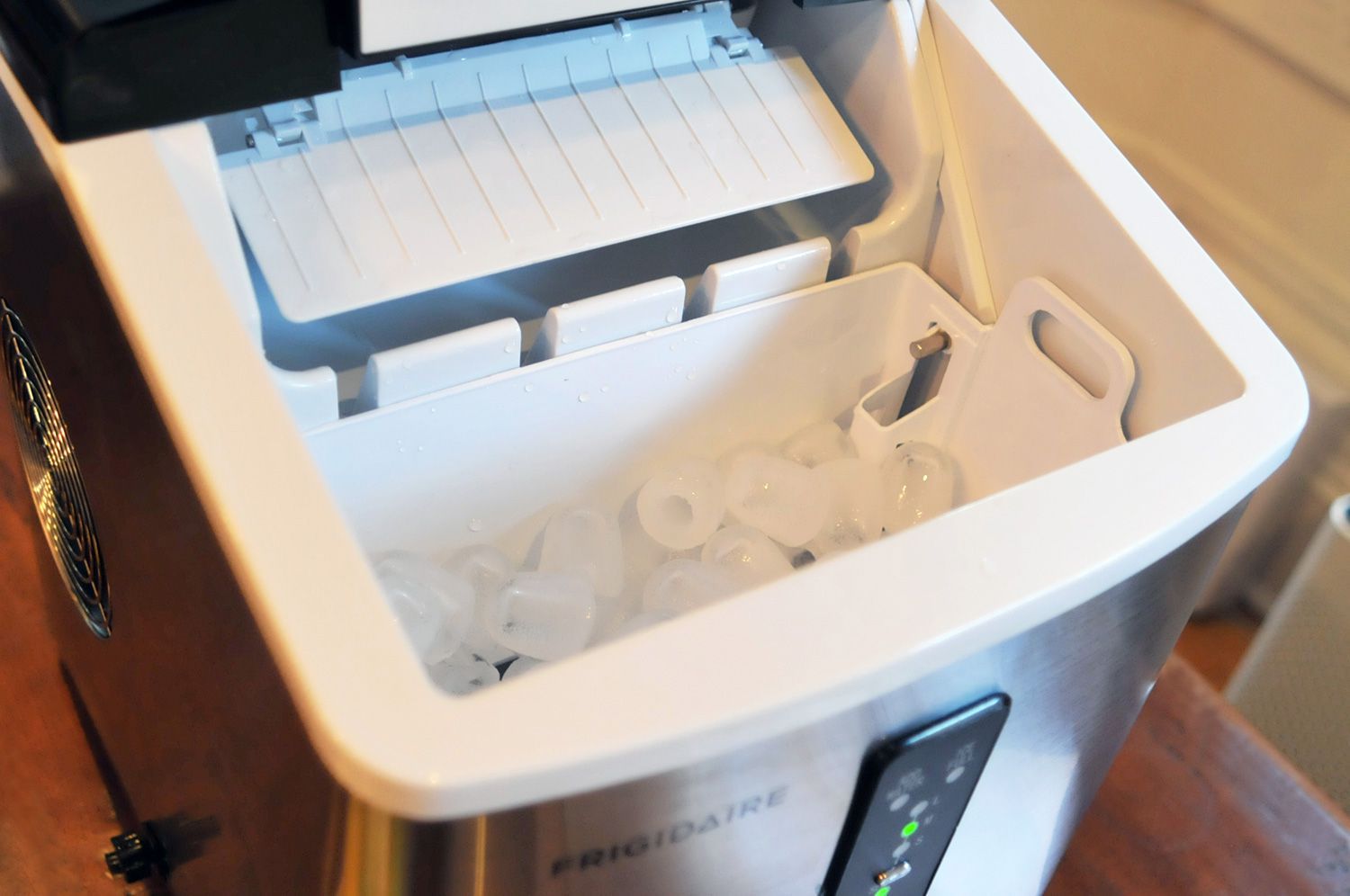
Frigidaire Ice Maker Not Working: 7 Common Fixes for Your Refrigerator
There is nothing quite as annoying as reaching into your freezer for ice on a hot day, only to find the bucket completely empty. A Frigidaire ice maker not working is one of the most frequent service calls for appliance repair technicians. However, you don’t always need to pay for a professional visit. Most ice maker issues are caused by simple mechanical blocks or clogged filters that you can fix in less than 30 minutes.
In this comprehensive troubleshooting guide, we will explore the seven most common reasons why your Frigidaire ice maker has stopped producing ice. We will cover everything from the “frozen fill tube” to the specific Frigidaire ice maker reset procedure, and provide a clear breakdown of repair costs if you decide to replace the unit entirely.
1. Check the Basics: The On/Off Switch and Arm
Before you start taking your freezer apart, check the most obvious culprit. Many Frigidaire models have a physical power switch on the ice maker itself, or a wire “feeler arm.”
- The Power Switch: Ensure the switch is flipped to “On” or “I.” Sometimes, shifting frozen food can accidentally flip this switch to “Off.”
- The Control Arm: If your model has a metal wire arm, it should be in the “Down” position. When the ice bucket gets too full, the ice pushes the arm “Up,” which signals the machine to stop making ice. Sometimes the arm gets stuck in the Up position even when the bucket is empty.
2. The Clogged Water Filter
Did you know your ice maker relies on the same filter as your water dispenser? If your Frigidaire water filter is older than six months, it may be clogged with sediment or minerals. When the filter is clogged, the water pressure drops significantly. The ice maker requires a specific amount of pressure to open the inlet valve; if the pressure is too low, the ice maker won’t fill with water.
The Test: Try to fill a glass of water from the door dispenser. If the flow is slow or “trickling,” your filter is definitely the problem. Replacing the filter (usually a PureSource Ultra II or similar) will often fix the ice maker immediately.
3. The Frozen Water Inlet Tube
This is a notorious issue with Frigidaire and Frigidaire Gallery models. The small tube that squirts water into the ice tray can freeze solid. This happens if your freezer temperature is set too low or if the water valve is dripping slightly, allowing ice to build up inside the tube.
How to Fix It: Locate the fill tube at the back of the ice maker. If you see ice protruding from it, you need to melt it. You can use a hair dryer on a low heat setting to gently thaw the tube. Warning: Do not use high heat, as you could melt the plastic components of the refrigerator.
4. Low Water Inlet Pressure
If you recently moved your refrigerator or did plumbing work in your kitchen, your water pressure might be the issue. Refrigerators require at least 20 psi (pounds per square inch) of water pressure to function. If the pressure is too low, the water inlet valve will not open fully, resulting in no ice or very small, hollow ice cubes.
Check the “saddle valve” or shut-off valve behind the fridge. Ensure it is turned all the way to the open position and that there are no kinks in the copper or plastic water line.
5. Faulty Water Inlet Valve
The water inlet valve is an electronically controlled part that opens to supply water to the ice maker. If the solenoid inside the valve fails, no water will enter the tray. Over time, mineral deposits from hard water can also cause the valve to “stick” in the closed position.
The Multimeter Test: You can test the inlet valve for continuity. If the valve has no electrical continuity, it must be replaced. This is a moderately easy DIY repair located at the bottom back of the refrigerator.
6. Refrigerator Temperature is Too High
If your freezer is not cold enough, the ice maker will not cycle. Most ice makers have a built-in thermostat that won’t allow the tray to harvest ice until the temperature is below 15 degrees Fahrenheit (-9 Celsius). If your freezer is set to 20 degrees or higher, the ice maker will simply sit and wait.
The Fix: Ensure your freezer is set between 0 and 5 degrees Fahrenheit. Also, check that the condenser coils at the bottom of the fridge are clean; if they are dusty, the fridge can’t stay cold enough to make ice.
7. How to Reset a Frigidaire Ice Maker
Sometimes the internal control board of the ice maker gets “glitched.” A simple reset can often kickstart the production cycle.
The Reset Procedure:
- Find the On/Off switch on the ice maker and turn it to OFF.
- Unplug the refrigerator from the wall for 5 minutes.
- While the fridge is unplugged, ensure the feeler arm is clear and moved to the “Down” position.
- Plug the fridge back in.
- Turn the ice maker switch back to ON.
- Press and hold the “Reset” button (if your model has one—usually a small clear or red button) for 10 seconds. You should hear a beep or see the ice tray rotate.
Frigidaire Ice Maker Repair Costs vs. Replacement
If your ice maker has a mechanical failure, it is often cheaper to replace the entire ice maker assembly rather than trying to fix individual gears or motors.
| Part / Service | Estimated Part Cost | Professional Repair Cost |
|---|---|---|
| Water Filter Replacement | $35 – $55 | $100 – $150 |
| Water Inlet Valve | $40 – $85 | $175 – $300 |
| Complete Ice Maker Assembly | $90 – $160 | $250 – $450 |
| Main Control Board | $150 – $300 | $400 – $600 |
Pro Tip: Replacing the entire ice maker unit is a very common DIY task. Most units are held in by only two screws and one electrical plug. Doing this yourself can save you over $200 in labor costs.
Maintenance for Peak Ice Production
To ensure you never run out of ice again, follow these maintenance tips:
- Change the Filter Every 6 Months: Don’t wait for the “Change Filter” light. A fresh filter ensures high water pressure.
- Discard “Old” Ice: If you don’t use ice frequently, the cubes will shrink and clump together. Empty the bucket once a month to keep the sensors clear.
- Level the Fridge: If your refrigerator is tilted forward, water can spill out of the ice tray before it freezes, causing an “ice dam” in the bucket.
Frequently Asked Questions (FAQ)
Why is my Frigidaire ice maker making small or hollow cubes?
This is almost always a sign of low water pressure. Check for a clogged water filter or a partially closed saddle valve behind the refrigerator.
How long does it take for a Frigidaire ice maker to make ice after a reset?
After a reset or a new installation, it can take up to 24 hours for the unit to reach the correct temperature and begin full production. You should see the first batch of ice within 6 to 12 hours.
Can I clean my ice maker with vinegar?
Yes. If you have hard water buildup, you can wipe the ice tray and the fill tube with a 50/50 solution of white vinegar and water to dissolve calcium deposits.
Conclusion
A Frigidaire ice maker not working is a major inconvenience, but it is rarely a reason to replace the entire refrigerator. By checking the water filter, thawing the fill tube, and ensuring your freezer is at the correct temperature, you can solve most issues on your own.
If you find that the motor has failed or the tray is cracked, don’t be afraid to tackle a replacement yourself. With a new ice maker assembly and a fresh filter, your Frigidaire will be back to producing crisp, clean ice in no time. Keep up with your filter changes, and your appliance will serve you well for years to come.