Tensions between Pakistan and Afghanistan have sharply escalated after Pakistan launched air strikes on Kabul and other Afghan cities, marking one of the most serious confrontations between the two neighbours in recent years.
Pakistan’s defence minister declared the situation had reached “open war,” while Afghanistan’s Taliban authorities said they were conducting large-scale operations along the border. The latest violence highlights deep-rooted disputes that have simmered for years.
What Happened?
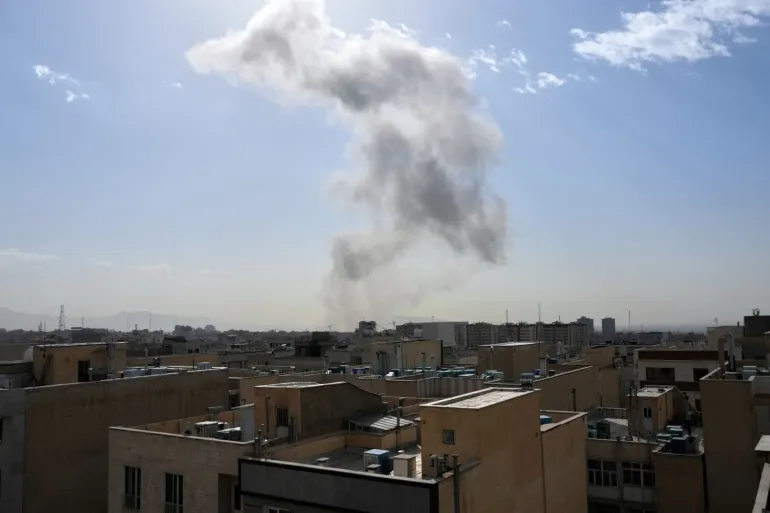
According to officials, Pakistan carried out overnight air strikes targeting what it described as Taliban military sites in Kabul, Paktia and Kandahar. The strikes came after Pakistan accused Afghan forces of attacking its border positions.
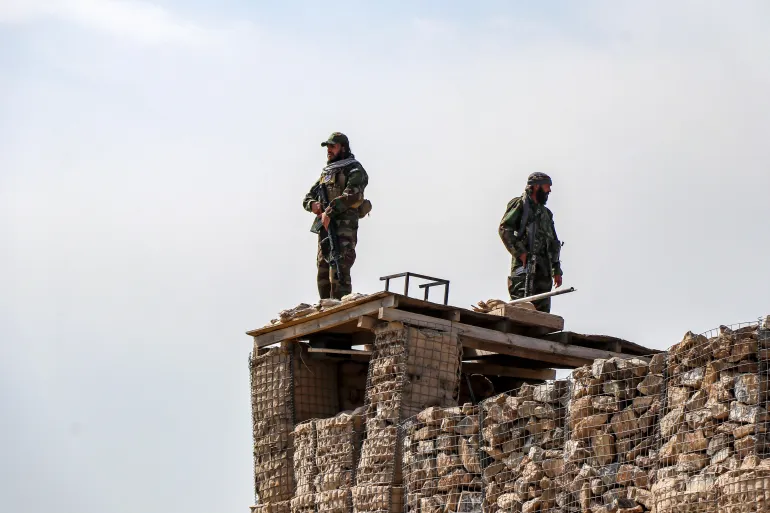
Afghan forces reportedly responded with anti-aircraft fire and launched retaliatory attacks along the frontier. Heavy shelling and gunfire were also reported near the key Torkham border crossing.
Casualty figures remain disputed. Pakistan claims it killed large numbers of Taliban fighters, while Afghan authorities report far fewer losses and say civilians were among the victims.
The Root Causes of the Conflict
The latest flare-up is not sudden. Relations between the two countries have been deteriorating since the Taliban returned to power in Afghanistan in 2021.
1. The Durand Line Dispute
At the heart of the tension is the Durand Line — the 2,611-kilometre border separating the two countries. Afghanistan has never formally recognised the border, arguing it was imposed during the colonial era and divided Pashtun communities.
This disagreement has fuelled repeated clashes and mistrust along the frontier.
2. Pakistan Taliban (TTP) Issue
Pakistan accuses Afghanistan’s Taliban government of sheltering the Tehreek-e-Taliban Pakistan (TTP), a militant group responsible for attacks inside Pakistan.
Islamabad has repeatedly demanded Kabul take action against the group. Analysts say the Afghan Taliban have been reluctant to crack down on the TTP due to ideological ties and internal security concerns.
3. Rising Cross-Border Attacks
Violence in Pakistan’s border provinces, especially Khyber Pakhtunkhwa and Balochistan, has increased in recent years. Pakistan says this surge is linked to militants operating from Afghan territory.
Security experts warn that without cooperation between the two governments, clashes are likely to continue.
Military Balance and Risks
Pakistan holds a significant military advantage, particularly in air power. Afghanistan’s Taliban forces lack a conventional air force and are believed to rely more on asymmetric tactics such as drones and guerrilla operations.
Analysts say a full-scale war remains unlikely but warn that ongoing artillery exchanges and air strikes could persist if tensions remain unresolved.
International Reaction
The international community has urged restraint:
The United Nations called on both sides to follow international law.
Iran and Russia encouraged dialogue and offered mediation.
India condemned the strikes and expressed concern over civilian casualties.
Diplomatic pressure is growing to prevent further escalation.
What Happens Next?
Experts say the situation could worsen if:
Pakistan continues cross-border strikes
The Taliban refuse to act against the TTP
Border skirmishes intensify
However, both countries also have strong incentives to avoid full-scale war, given economic pressures and regional instability.
For now, the Afghanistan-Pakistan border remains one of the region’s most volatile flashpoints, with the risk of further escalation still high.