A dramatic escalation in Middle East tensions unfolded today as the United States and Israel reportedly launched coordinated military strikes on Iran, with multiple explosions heard across the capital, Tehran. The fast-moving situation has raised fears of a wider regional conflict and triggered emergency responses across the region.
Early reports indicate the operation was described by Israeli officials as a “preemptive” action, while global leaders are closely monitoring the rapidly evolving crisis. With details still emerging, the attack could mark one of the most serious confrontations between Iran and its long-time adversaries in recent years.
This article provides a comprehensive overview of what is happening, why it matters, and what could happen next.
Breaking: What Happened in Tehran
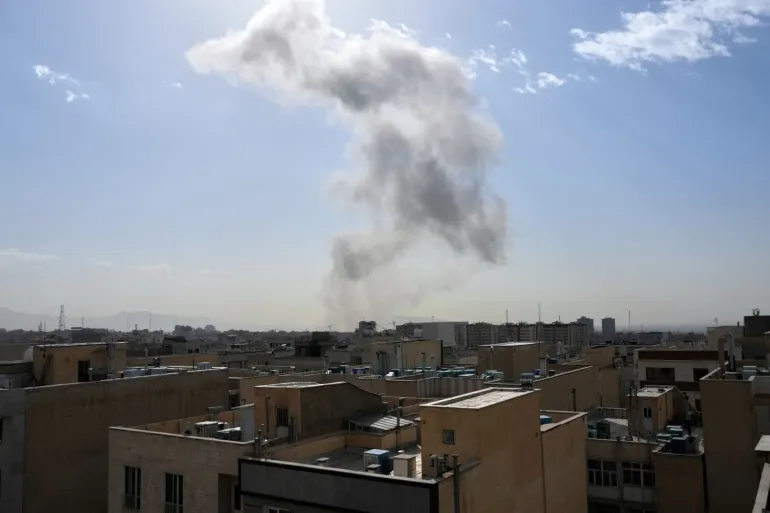
Witnesses in Tehran reported powerful explosions and plumes of smoke rising over parts of the city on February 28, 2026. According to early confirmations from officials and media reports, the strikes were carried out jointly by Israel and the United States.
Israeli defense officials described the operation as a preventive attack intended to remove perceived threats to Israel’s security.
Key known facts so far:
- Multiple explosions reported in Tehran
- Smoke seen rising over the capital
- Israel declared a state of emergency
- U.S. officials confirmed participation
- Situation remains ongoing and fluid
Officials have not yet released full details about the specific targets or the scale of damage.
Immediate Reactions Inside Israel and Iran
Israel’s Response
Following the strikes, Israel reportedly declared a nationwide state of emergency, warning citizens to remain near protected areas amid fears of Iranian retaliation.
Air-raid sirens were reported in parts of Israel, indicating authorities are preparing for potential counter-attacks.
Iran’s Situation
Iranian authorities have not yet released a full damage assessment. However:
Explosions were confirmed in the capital
Smoke was visible over affected areas
Government and military responses are expected
Given past patterns, Iran is likely to issue strong condemnation and may consider retaliatory options.
Why the US and Israel May Have Struck
While full official explanations are still emerging, analysts point to several likely factors behind the operation.
1. Nuclear Program Concerns
The United States and Israel have long accused Iran of pursuing nuclear weapons capability — a claim Tehran denies. In recent months, U.S. officials warned Iran was reviving efforts to build nuclear weapons and expanding missile capabilities.
Israel has repeatedly stated it will act militarily if it believes Iran is nearing nuclear weaponization.
2. Rising Regional Tensions
The Middle East has been on edge for years due to:
Iran–Israel proxy conflicts
Missile and drone exchanges
Escalating rhetoric from both sides
Failed nuclear negotiations
Today’s strike appears to be the most direct confrontation yet in 2026.
3. Preemptive Doctrine
Israeli officials have framed the attack as preventive — meaning they believe acting now avoids a greater threat later. This doctrine has been used in previous regional operations.
Background: A Conflict Years in the Making
To understand the significance of today’s events, it is important to look at the recent history of Iran–Israel–US tensions.
2024–2025 Escalations
Israel previously struck Iranian military and nuclear-related sites
Iran responded with large missile and drone attacks
The U.S. increased military deployments in the region
Nuclear talks repeatedly stalled
In June 2025, Iran launched over 150 ballistic missiles and more than 100 drones toward Israel following Israeli strikes.
The region has been in a cycle of escalation ever since.
Military Build-Up in 2026
In early 2026, the United States moved major naval assets, including aircraft carriers, into the Middle East to increase pressure on Iran.
Many analysts warned at the time that the situation was approaching a breaking point.