Grocery shopping in Malé: markets, supermarkets and saving money
Where to buy food in Malé and Hulhumalé, the fish and local markets, what's local and what's imported, why prices are high, delivery options and tips for keeping your food bill down.
Quick answer
- Most food in the Maldives is imported, so prices for many groceries are higher than in neighbouring countries.
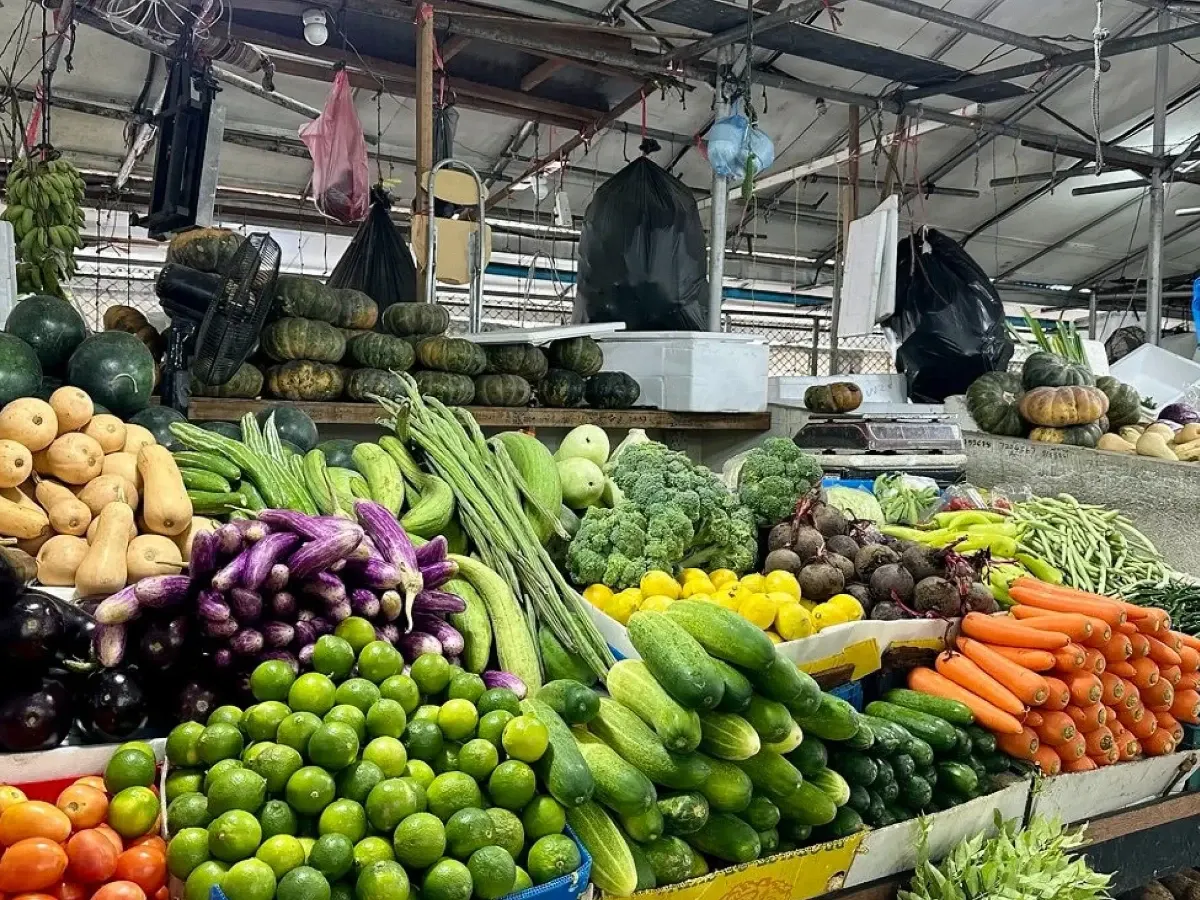
- Malé's fish market and local market sell fresh tuna, reef fish, local fruit and vegetables.
- Supermarkets in Malé and Hulhumalé stock imported goods; there's no pork or alcohol outside licensed resorts.
- Cooking with local fish and produce, and buying staples in bulk, keeps costs down.
Food shopping is one of the biggest adjustments for people moving to the Maldives. Almost everything except fish and some local produce is imported, which makes many groceries expensive, and some familiar items aren't available at all. On the other hand, the fish is superb and cheap by international standards, and local markets are full of character. This guide explains where to shop in Malé and Hulhumalé, and how to eat well without overspending.
Why food is expensive
The Maldives has very little farmland, so most food is imported: rice, flour, dairy, meat, fruit, vegetables and packaged goods. Prices include shipping, import duty where it applies, GST and handling. The country's long-running shortage of US dollars has also made importing harder at times. The exception is fish, especially tuna, which is caught locally and is central to Maldivian cuisine.
The fish market
Malé's fish market, on the northern waterfront, is one of the city's most authentic sights. Fishing boats unload their catch, and stalls sell skipjack and yellowfin tuna and reef fish, often cleaned and cut for you on the spot. It's busiest in the late afternoon, when the boats come in. Tips:
- go in the late afternoon for the best choice;
- ask the vendor to clean and cut the fish;
- bring cash in rufiyaa; and
- be prepared for a busy, wet, working market.
The local market
Next to the fish market, the local market sells fruit and vegetables, much of it from the islands: coconuts, bananas, papaya, breadfruit, chillies, pumpkins and more, plus local snacks, spices, dried fish and other Maldivian staples. Prices for local produce are often reasonable, and it's a great place to try local foods.
Supermarkets
Malé and Hulhumalé have supermarkets of various sizes, from small neighbourhood shops to larger stores. They stock imported goods from many countries: rice, pasta, cereals, dairy, frozen meat, fruit and vegetables, cleaning products and toiletries. Larger supermarkets have a wider range of international products, at higher prices. Prices can vary noticeably between shops, so it's worth comparing.
What you won't find
Because of local laws:
- pork and pork products aren't sold outside licensed resorts; and
- alcohol isn't sold in Malé or on inhabited islands.
Some speciality foods from particular countries may be hard to find or only available occasionally. Expats often bring favourite items back after trips home, within customs rules. See our guide to customs allowances.
Halal food
Meat sold in the Maldives is halal. Most imported meat is frozen; chicken is the most common, with beef and mutton also available.
Delivery
Grocery delivery is common in Malé and Hulhumalé. Many supermarkets and shops accept orders by phone, messaging apps or online and deliver for a small fee. It's convenient, especially for heavy items like water and rice, and in the heat.
Shopping during Ramadan
During Ramadan, shopping patterns change: shops may adjust their opening hours, and evenings before iftar (the meal at sunset) are very busy. Some foods are especially popular, and prices for some items can rise. Shop in the morning or after the evening rush. See our Ramadan guide.
Eating out vs cooking
Local cafés serve inexpensive Maldivian food, such as mas huni (tuna with coconut, onion and chilli) with roshi (flatbread) for breakfast, fish curries, and hedhikaa (savoury snacks, or "short eats") in the afternoon. Eating at local cafés can be cheaper than cooking with imported ingredients. International restaurants cost more.
Maldivian ingredients worth trying
- Tuna, fresh, smoked or dried, the backbone of Maldivian cooking;
- valhoamas, smoked tuna, used in many dishes and snacks;
- rihaakuru, a thick fish paste with a strong, savoury flavour;
- coconut, grated, as milk or as oil, used in almost everything;
- breadfruit and taro, starchy staples often boiled or made into chips;
- local chillies, which can be very hot; and
- curry leaves and spices sold at the local market.
Learning a few local dishes, such as mas huni or a simple tuna curry, is one of the best ways to eat well on a budget.
Shopping etiquette
- Dress modestly at markets and shops.
- Bring your own bag; many shoppers use reusable bags.
- Have rufiyaa in small notes for market stalls.
- Expect short closures during prayer times, especially at smaller shops.
- Be patient in busy markets; it's a working environment, not a tourist attraction.
Tips to save money
- Cook with local fish: tuna is affordable and versatile.
- Buy local fruit and vegetables at the market rather than imported produce.
- Buy staples in bulk: rice, flour, oil and canned goods.
- Compare supermarkets for the items you buy regularly.
- Watch for deliveries: fresh imported produce is best just after shipments arrive.
- Limit imported luxuries such as cheese and branded snacks.
- Try local cafés for cheap, filling meals.
- Use a water filter instead of buying lots of bottled water.
Water and household essentials
Drinking water is a regular purchase for many households. Large refillable bottles delivered to your door, or a good filter on your tap, are cheaper and create less plastic waste than buying small bottles. Household items such as cleaning products, toiletries and paper goods are imported, so buying larger packs when they're on offer saves money. Cooking gas comes in cylinders delivered by suppliers.
Special diets
If you follow a vegetarian, vegan or gluten-free diet, you can manage in Malé, but choice is narrower than in many countries. Vegetarian food is easy to find at many cafés, especially South Asian-style dishes. Specialist products such as plant milks or gluten-free bread are available in some larger supermarkets, at a premium. Bring supplies of anything essential that you can't do without.
Shopping in Hulhumalé
Hulhumalé has supermarkets and local shops serving its growing population, plus cafés along the beachfront. For the fish market and the widest choice of local produce, many Hulhumalé residents still make trips to Malé.
Shopping on other islands
Smaller islands have a few local shops with basic supplies, and stock depends on when the supply boat last arrived. Fresh produce can be limited, and prices may be higher than in Malé. Residents of remote islands often stock up when visiting the capital.
Food safety
Food businesses are regulated by the Maldives Food and Drug Authority. When buying fish, choose fish that is fresh and kept cool; at home, refrigerate it quickly. Check expiry dates on imported goods, especially in smaller shops where stock may move slowly.
Cutting down on waste
Waste disposal is a serious challenge for small islands, so buying less packaging helps. Choose loose fruit and vegetables at the market, refill water containers rather than buying small bottles, and reuse bags. Some neighbourhoods and islands have recycling or waste-separation schemes; ask your landlord or council how rubbish should be sorted and put out.
A sample weekly shop
A practical approach many expats use:
- a trip to the fish market once or twice a week for fresh tuna;
- the local market for fruit and vegetables;
- a supermarket run for staples, dairy and household items, or a delivery order; and
- local cafés for a few cheap meals during the week.
Common questions
Where is the fish market in Malé?
Malé's fish market is on the northern waterfront, next to the local market. It's busiest in the late afternoon when fishing boats bring in the day's catch.
Can I buy pork or alcohol in Malé?
No. Pork and alcohol aren't sold in Malé or on inhabited islands; they're only available at licensed resorts and some tourist hotels.
Is grocery delivery available?
Yes. Many supermarkets and shops in Malé and Hulhumalé take orders by phone, messaging apps or online and deliver for a small fee.
Why are groceries expensive in the Maldives?
Almost all food apart from fish and some local produce is imported, so prices include shipping, duty and handling. The dollar shortage has also affected importers.
What is mas huni?
A classic Maldivian breakfast of tuna mixed with grated coconut, onion, chilli and lime, usually eaten with roshi, a thin flatbread.
Are fruit and vegetables expensive in Malé?
Imported produce can be expensive, especially items flown in. Local produce from the islands, sold at the local market, is often better value. Prices vary with season and supply.
Official sources
- Expat.com: Lifestyle in the Maldives
- UK Foreign Travel Advice: Maldives local laws and customs
- Maldives Food and Drug Authority: food establishment registration
Last reviewed 4 November 2026. This guide is general information, not legal or financial advice. Rules change, so confirm with the official source before you apply. Report an error
GroceriesMarketsCost of living
Related guides


From our network
Visit Ras Malé
Independent, sourced guides to Ras Malé, the new city being built off Malé: progress, property, ferries and living there.
Read the Ras Malé guides ↗visitrasmale.com is run by the same team as HandyMaldives.