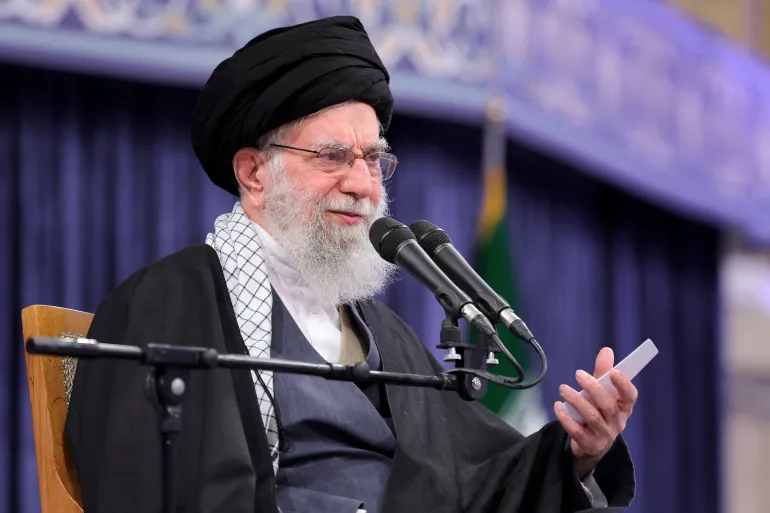
Iranian state media and multiple international news sources are reporting that Iran’s supreme leader, Ayatollah Ali Khamenei, has been killed following a major joint military assault by the United States and Israel targeting Iranian leadership and strategic infrastructure on 28 February 2026.
Confirmed Death and State Announcement
According to Iranian state television and the state‑run IRNA agency, Khamenei, aged 86, was killed in the attacks, with Tehran announcing a 40‑day period of national mourning for the long‑time leader. The strikes reportedly hit his office in Tehran, where he was said to be at work as the joint assault unfolded.
The confirmation from Iranian media follows earlier announcements from U.S. and Israeli officials that Khamenei had been eliminated in the initial wave of strikes.
Joint U.S.‑Israeli Military Operation
The military offensive, described by U.S. and Israeli leaders as a campaign to degrade Iran’s missile capabilities and dismantle its nuclear infrastructure, involved airstrikes and long‑range missile launches across multiple Iranian provinces. Official statements also reported the deaths of senior defense and Islamic Revolutionary Guard Corps (IRGC) officials alongside the supreme leader.
U.S. President Donald Trump publicly affirmed Khamenei’s death on social media, framing it as a strategic blow to Iran’s leadership and calling on Iranians to “take back” their country from hardline rule.
Regional Fallout and Retaliation
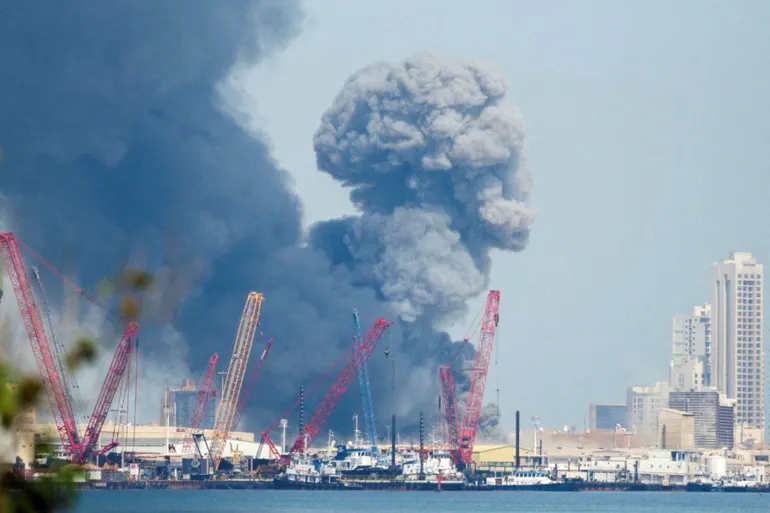
In immediate response, Iran launched missile and drone attacks against regional targets, including U.S. bases and partner nations hosting American military assets. This sparked defense engagements by air‑defense systems in several Gulf states and alarms in civilian centers throughout the Middle East.
The strikes also triggered airspace shutdowns and flight cancellations across the region as nations scrambled to secure their skies amid mounting tensions.
Succession and Political Uncertainty
Khamenei had led Iran since 1989 and wielded ultimate authority over all branches of the state, including the military and judiciary. His sudden death presents a major leadership vacuum in Tehran, with no immediate successor officially named. Iran’s constitution entrusts the Assembly of Experts with selecting a new supreme leader, but the process may unfold amid ongoing military escalation.
Analysts warn that this historic turning point could trigger internal instability, power struggles within Iran’s political hierarchy, and broader geopolitical repercussions across the Middle East and beyond.
International Reaction
World leaders have expressed concern over the rapid escalation. United Nations officials called for calm and restraint, emphasizing the risk of a wider regional conflict if hostilities intensify further.