
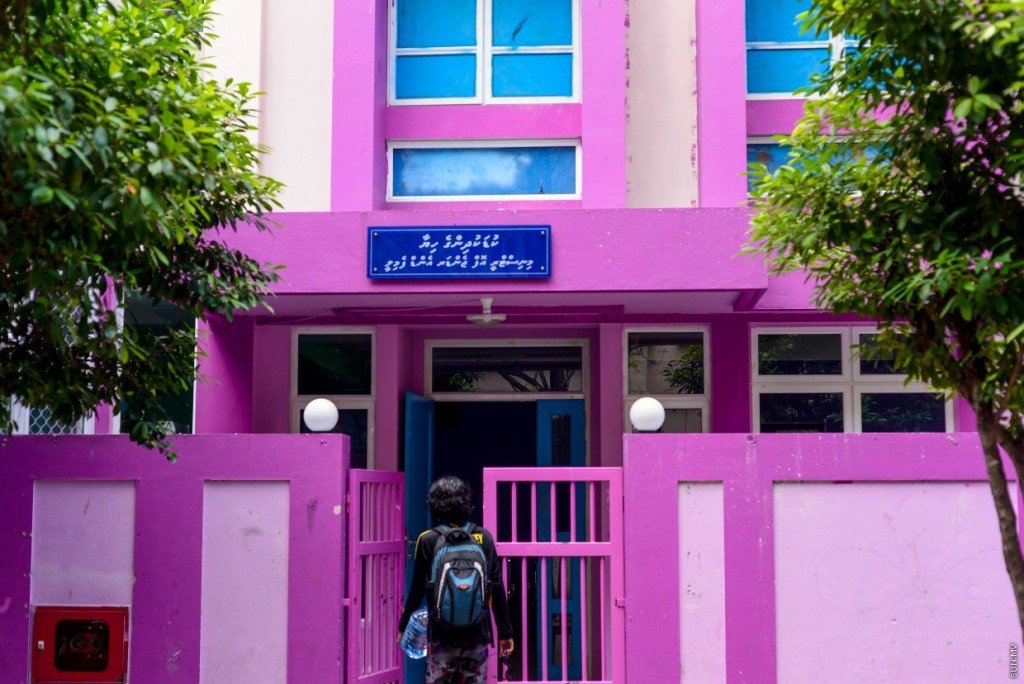
The Maldives government has been actively promoting foster care through its “A Family for Every Child” initiative. The programme aims to move children out of long-term institutional care and into family environments where they can receive emotional support and stability.
While the initiative offers hope for many children, experts and observers note that the transition also brings important risks and challenges that must be carefully managed.
What Is the “A Family for Every Child” Initiative?
The programme is designed to ensure that children under state care grow up in nurturing family settings rather than orphanages or institutions. Authorities believe family-based care supports healthier emotional and social development.
Under the initiative, families can apply to:
Temporarily foster children
Provide long-term foster care
Potentially assume legal guardianship in some cases
The broader goal is to reduce reliance on institutional care and prioritize family reintegration wherever possible.
Progress So Far
Officials report growing participation from Maldivian families. More than 100 children in state care have already been placed with foster families since the programme began.
The government views this as an important step toward ensuring vulnerable children experience stable home environments.
However, many children still remain in state care, highlighting the need for continued public participation and system improvements.
Key Benefits of the Foster Care Push
1. Better Emotional Development
Research and policy discussions emphasize that children generally thrive better in family environments than in institutions. Family settings can provide:
Individual attention
Emotional bonding
Social integration
2. Reduced Institutional Dependence
The initiative aims to gradually reduce the number of children growing up in state facilities, which officials consider less ideal for long-term development.
3. Support for Family Reintegration
In many cases, fostering is intended to be temporary while authorities work to resolve issues within the child’s biological family.
Challenges and Risks
Despite its promise, the foster care expansion also raises several concerns.
Limited Foster Culture
Fostering is still relatively new in the Maldives. Social stigma and limited public awareness can discourage families from participating.
Preference for Younger Children
One persistent issue is that families often prefer infants, leaving older children with fewer placement opportunities. This creates inequality within the system.
Need for Strong Monitoring
Experts stress that foster placements must be closely supervised to ensure:
Child safety
Proper care standards
Emotional well-being
Without robust oversight, vulnerable children could face new risks.
Legal and Administrative Complexity
Foster care in the Maldives involves court processes and regulatory requirements that are still evolving, making implementation challenging.
Temporary vs Permanent Fostering
The Maldivian system distinguishes between:
Temporary fostering
Usually lasts a minimum period (often around two years)
Intended while birth families improve their situation
Child may return home if conditions stabilize
Permanent fostering
May continue until the child turns 18
Legal guardianship can be transferred through the courts
The emphasis remains on reunifying children with their biological families whenever possible.
Why the Initiative Matters
Hundreds of children have entered state care over the years due to neglect, family breakdown, or social issues. Policymakers argue that growing up without a family environment can create long-term developmental gaps.
The foster care push reflects a broader shift toward child-centered welfare policies in the Maldives.
What Needs to Happen Next
For the programme to succeed long term, experts suggest:
Expanding public awareness campaigns
Encouraging families to foster older children
Strengthening monitoring and support systems
Providing training and financial assistance to foster parents
Improving data transparency
These steps could help balance the programme’s promise with proper safeguards.
The Maldives’ “A Family for Every Child” initiative represents a significant shift toward family-based care for vulnerable children. Early progress shows promise, with more families stepping forward to foster.
However, the success of the programme will depend on careful oversight, stronger public engagement, and continued policy refinement. If implemented effectively, the initiative could transform child welfare in the Maldives — but the risks must be managed with equal attention.